-
Observing Earth: Using Satellite Data for International Development
›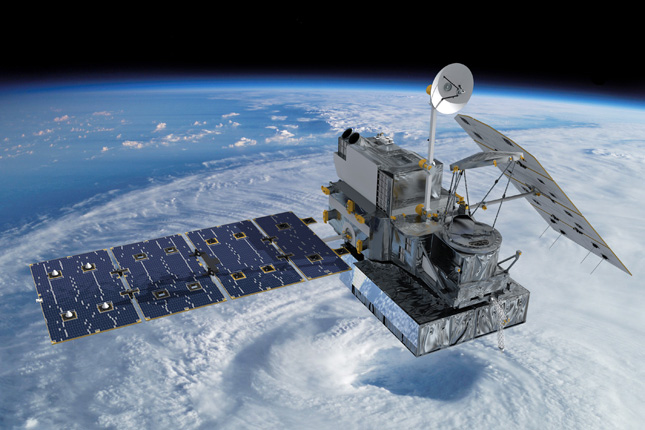
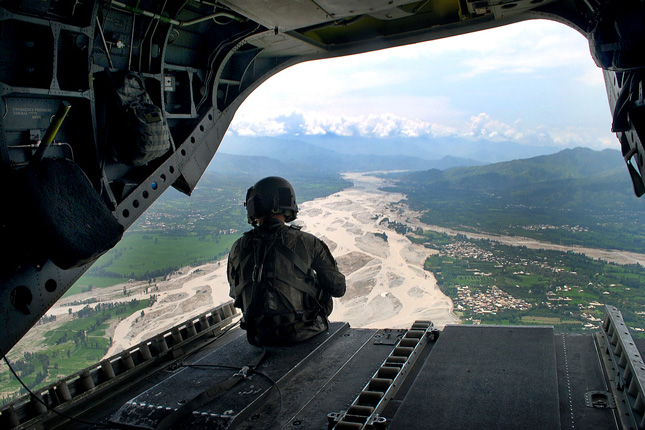
“Interest in earth observation—and in particular, the value to what we do in development internationally—has never been higher,” said Jenny Frankel-Reed, adaptation team lead at the U.S. Agency for International Development (USAID). Frankel-Reed spoke at the Wilson Center’s recent panel discussion of the earth observation data program known as SERVIR, which included insights from USAID’s soon-to-be-released evaluation of the program.
-
To Fight Global Water Stress, U.S. Foreign Policy Will Need New Strategic Tools
›
Capable of upending rural livelihoods, compromising institutions of governance, and inducing new patterns of migration and crime, global water stress has emerged as one of the principal threats to U.S. national security, said David Reed, senior policy advisor at the World Wildlife Fund (WWF) and editor of WWF’s new book, Water, Security and U.S. Foreign Policy, on June 27 at the Wilson Center. Four defense and development leaders – retired U.S. Marine Corps General James L. Jones; Paula Dobrianksy, vice chairwoman of the National Executive Committee of the U.S. Water Partnership; retired U.S. Navy Admiral Lee Gunn, vice chairman of the CNA Military Advisory Board; and Kristalina Georgieva, chief executive of the World Bank – joined Reed for a panel discussion of water’s central role in global stability and prosperity.
-
People not Polar Bears: National Security and the Changing Climate
›“If we really cared about the polar bears, we would have done something,” quipped retired U.S. Navy Rear Admiral David Titley, who gave an Environmental Research and Education Distinguished Lecture at the National Science Foundation on June 27, 2017. Titley framed climate change in terms of U.S. national security interests, focusing on infrastructure, the changing Arctic, and how environmental factors can exacerbate conflict.
-
Sponge City: Solutions for China’s Thirsty and Flooded Cities
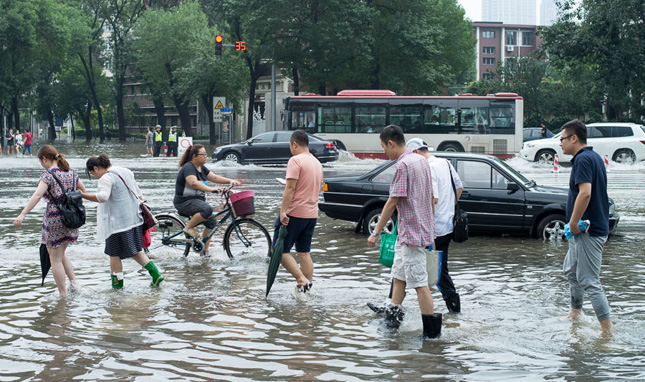
›On Wednesday, June 21, 2017, authorities in Beijing, Tianjin, and Hebei warned residents to prepare for a storm that could trigger flooding and possibly landslides. Flood warnings have become all too common in China: In 2013, more than 230 Chinese cities experienced floods. But Mother Nature is not entirely to blame; the cities’ outdated drainage systems are quickly overwhelmed and sprawling concrete gives stormwater runoff no place to go.
-
Water Security and U.S. Foreign Policy in India, Pakistan, and the Philippines
›In 2012, the U.S. National Intelligence Council judged that within the next 10 years, water problems would be a major contributor to instability in “many” countries that are of interest to the United States. South and Southeast Asia, with its many transboundary river basins, large populations, and geopolitical flashpoints, is one among a number of hotspots where such instability could occur.
-
Top 5 Posts for May 2017
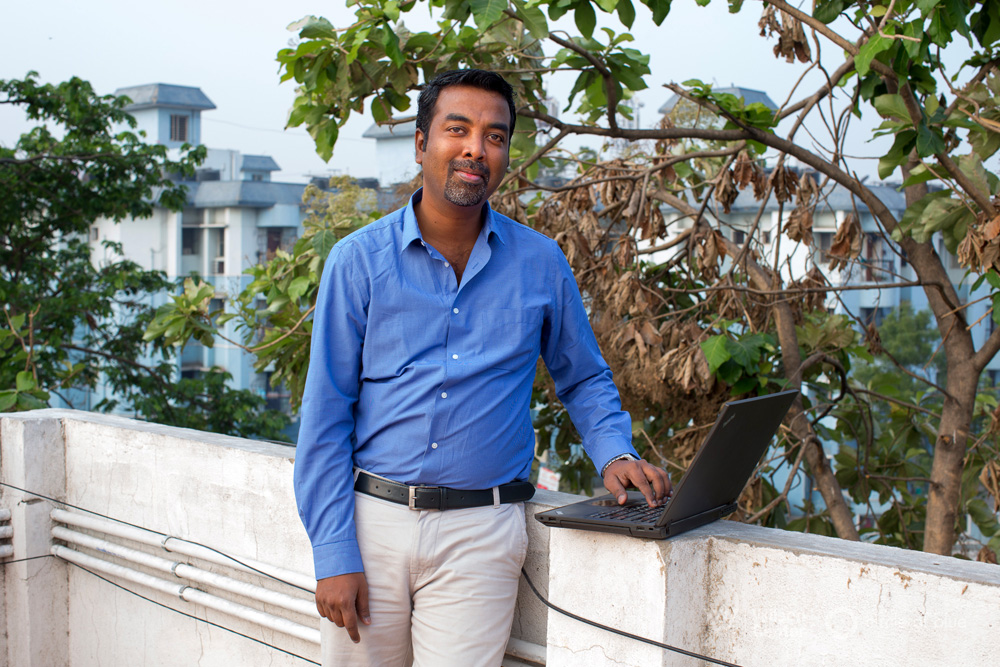
›Our nine-part “Choke Point: Tamil Nadu” series with Circle of Blue has been a must-read on the conflicting demands for water, food, and energy in the South Indian state. In May’s most popular post, S. Gopikrishna Warrier introduces us to Chennai’s tech-savvy social entrepreneurs, who are providing the city’s residents with real-time information on the risk of flooding. (The ninth and final post in the series was published yesterday; catch up on all of them at “Choke Point: Tamil Nadu”).
-
Michael Kugelman on Pakistan’s “Nightmare” Water Scenario
›“Water scarcity is a nightmare scenario that is all too real and all but inevitable in Pakistan,” says Michael Kugelman, deputy director of the Wilson Center’s Asia Program, in this week’s podcast. -
Facing Floods, Social Entrepreneurs Push Chennai to Consider New Growth Strategy
›Before the 2015 floods that drowned Chennai, Pradeep John spent several years posting thorough and dutifully accurate updates and alerts on Twitter and Facebook as the Tamil Nadu Weatherman. An amateur meteorologist who developed considerable expertise in weather data and satellite imagery, John’s online followers relied on his crisp forecasts and advice.
Showing posts from category flooding.
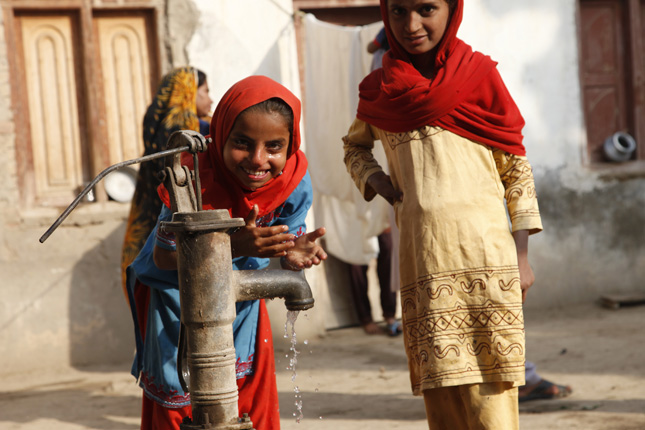

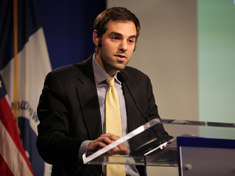 “Water scarcity is a nightmare scenario that is all too real and all but inevitable in Pakistan,” says Michael Kugelman, deputy director of the Wilson Center’s Asia Program, in this week’s podcast.