-
Gender Inequality in Mexico’s Fractured Public Health System
›Dot-Mom // From the Wilson Center // Guest Contributor // April 20, 2022 // By Samantha Kane Jiménez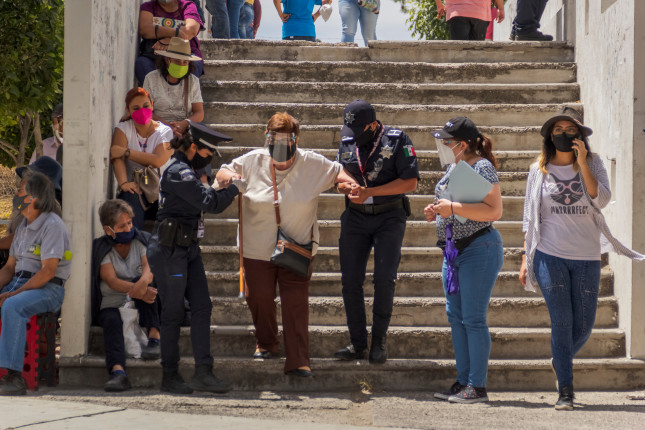
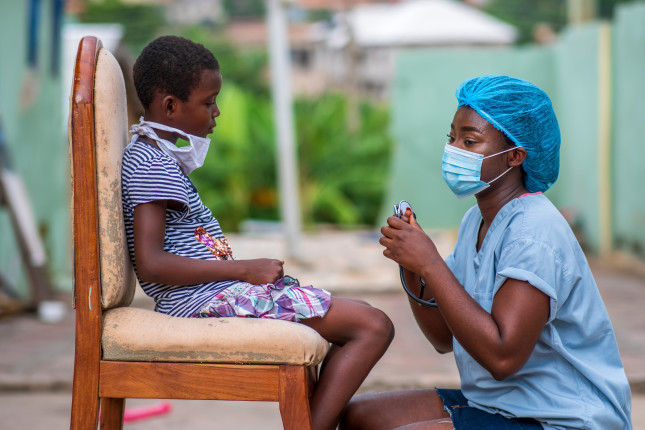
In recent years, Mexican women have experienced a significant downgrade in the quality and accessibility of public healthcare – and not due to the COVID-19 pandemic – said Irene Tello, Executive Director of Mexican impunity watchdog Impunidad Cero, at a recent event hosted by the Wilson Center’s Mexico Institute. The expert panel agreed that the greatest barriers for Mexican women seeking medical attention lie in the current government’s nearsighted health policies and mismanagement of the public health sector.
-
No Progress Without Quality: Why Quality of Care Matters
›
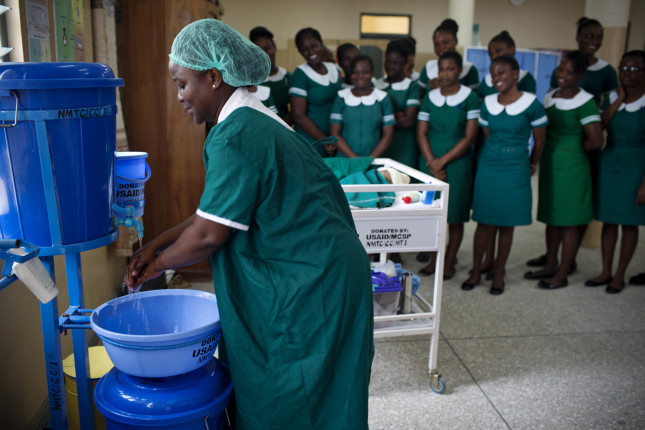
Evidence shows that in low- and middle-income countries, the expansion of health coverage or access to care has not always reduced overall mortality, said Dr. Patricia Jodrey, Child Health Team Lead in the Office of Maternal and Child Health and Nutrition at the U.S. Agency for International Development (USAID). “However, the analysis also showed that when countries have progressed in improving the quality of their health systems, the survival rate tends to improve,” she said.
-
Keeping Human Rights in Family Planning Policy as Depopulation Fears Mount
›Human rights have been central to the family planning movement for well over half a century, although family planning programs have not always lived up to the human rights commitments that governments publicly subscribe to. The right of couples to control their fertility was first codified in the 1968 Tehran Declaration, which noted that:
“Parents have a basic human right to determine freely and responsibly the number and spacing of their children.”
-
Through the COVID-19 Lens: Essential Services Needed to Prevent Unintended Pregnancies
›“The current pandemic is straining human resources, disrupting supply chains and service delivery, and negatively impacting service seeking among women and girls in countries across the globe,” said Sarah Barnes, Project Director of the Wilson Center’s Maternal Health Initiative. She spoke at a recent event, co-hosted by the UN Population Fund (UNFPA), on unintended pregnancies during the COVID-19 pandemic. The increasing rates of unintended pregnancies during the pandemic have exacerbated the vulnerabilities of many women, said Anneka Knutsson, Chief of the Sexual and Reproductive Health Branch at UNFPA.
-
Seeing and Hearing Mothers: Uncovering Poor Perinatal Mental Health
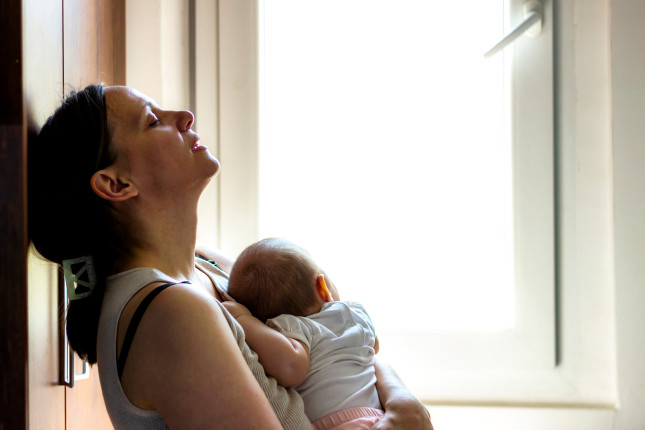
›Globally, 15 to 20 percent of women experience a perinatal mental health condition, said Sarah Barnes, Project Director of the Maternal Health Initiative at a recent event, held in partnership with the United Nations Population Fund (UNFPA), on mental health support for mothers in the perinatal period. Women are more likely to develop anxiety or depression in the year after giving birth than in any other time in their lives, with suicide and overdose the leading causes of death in the first year postpartum. “And yet, the prevention, early recognition, and treatment of perinatal mental health conditions is a challenge for many, if not most, healthcare systems across the world,” said Barnes.
-
Misconceptions on Miscarriage – The Dangers of Cultural Silence
›In the United States, approximately 10 to 15 percent of known pregnancies end in miscarriage. But this doesn’t capture the full picture. In reality, studies show that as many as half of all pregnancies may end in miscarriage, with the vast majority occurring before people realize they are pregnant. A miscarriage is defined as pregnancy loss before 20 weeks gestation. While some health conditions such as autoimmune disorders, polycystic ovary syndrome (PCOS), and diabetes can exacerbate the risk of having a miscarriage, the exact causes of pregnancy loss are largely unknown.
-
Engaging Marginalized Groups is Essential to Achieving Universal Health Coverage
›Too often, many in my community are excluded from sexual and reproductive health services, said Ruth Morgan Thomas, co-founder and Global Coordinator of the Global Network of Sex Work Projects, in today’s episode of Friday Podcasts. This episode features highlights from a recent Wilson Center and UNFPA event where Thomas and Zandile Simelane, an HIV Youth Advocate from Eswatini, address the barriers that their respective communities—sex workers and HIV positive youth—face in accessing sexual and reproductive health (SRH) services and universal health coverage (UHC). -
World Population Day 2021 – Setbacks in Development and Family Planning Slow Progress Along the Demographic Transition
›Globally, the demographic transition from high to low fertility and mortality has improved quality of life for billions of people over the past several decades. The average number of children born per woman worldwide decreased from nearly 5 in 1950 to 2.47 by 2020. Improvements in infant and child mortality boosted life expectancy at birth from a global average of 47 years in 1950 to over 72 years today. These gains in fertility and mortality were a result of rising incomes and significant investments and improvements in public health, education, and family planning access—18 months into a global pandemic, it’s becoming increasingly apparent that COVID-19 has disrupted these gains, slowing progress along the demographic transition for those countries in the earliest stages. This World Population Day is therefore an important opportunity to recommit to investments in health and education and resume our progress in improving lives for the world’s poorest and most vulnerable.
Showing posts from category family planning.

 Too often, many in my community are excluded from sexual and reproductive health services, said Ruth Morgan Thomas, co-founder and Global Coordinator of the