-
A New Kind of Conservation: Making the Connection Between Community and Nature
›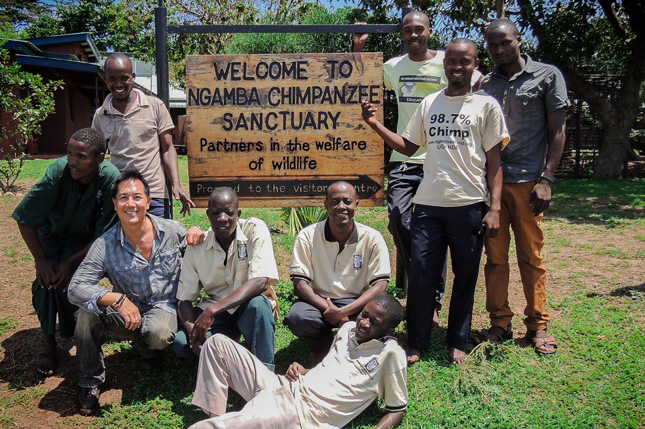
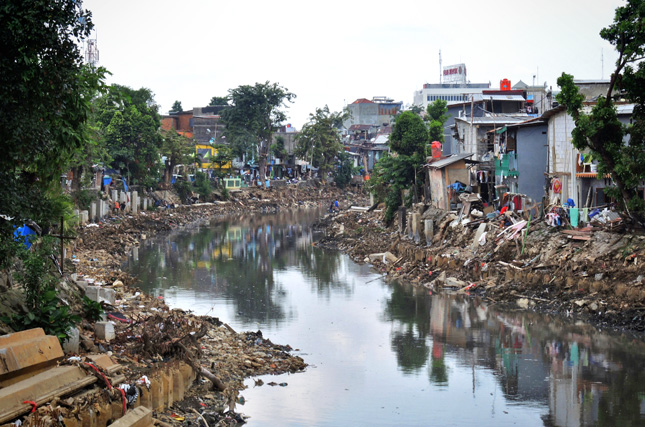
An increasing number of conservation and health activists are beginning to understand the value of an integrated approach to development. Without addressing the needs of people, conservation measures will not be very effective, and conversely, without conservation, people lose vital natural resources and suffer consequences to their health.
-
The Women of Sarawak and Mindoro on the “Invisible Battles” of Climate Change
›Although separated by a thousand miles, the women of the Malaysian state of Sarawak and the Filipino island of Mindoro are united by a major struggle: climate change. As rainfall patterns grow increasingly unpredictable, natural disasters become more frequent, and drought ravages once-arable land, women are on the frontlines in both communities.
-
When It Comes to Water Scarcity, Population Growth Tops Climate Change
›
One of the findings of the Worldwatch Institute’s Family Planning and Environmental Sustainability Assessment (FPESA) suggests it’s not accurate to claim that climate change is at the root of growing water scarcity around the world. Based on the best recent scientific evidence we could find, another major global trend – the ongoing growth of human population – has a greater impact on water availability than climate change does.
-
At the Eye of the Storm: Women and Climate Change
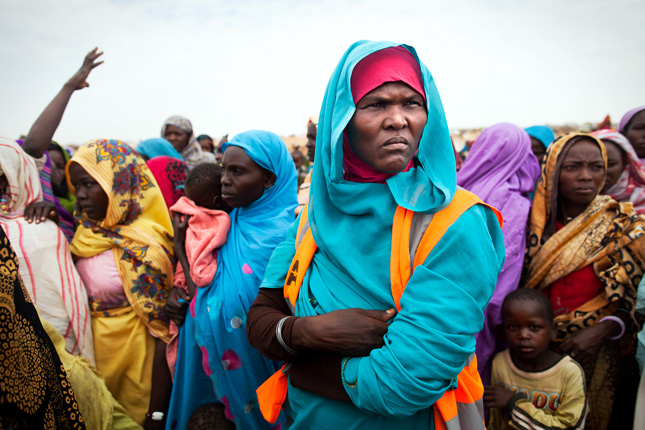
›Struggling to save their failing crops. Walking farther afield to fetch clean water. Protecting their families from devastating storms and violent conflicts. “Women are usually the support systems for our family…we are the last to leave in the event of a catastrophe, which is why women and families are disproportionately hurt by climate catastrophes,” said Wilson Center President, Director, and CEO Jane Harman on June 23 during a conference on women and climate change. [Video Below]
-
Family Planning and Environmental Sustainability: Assessing the Evidence
›“There are truly global-scale environmental challenges, and they need to be dealt with by thinking of solutions at the same scale,” said Thomas Lovejoy, a senior fellow at the United Nations Foundation, at the Wilson Center on June 29. The interaction between human population and environmental degradation is one of these challenges. [Video Below]
-
Maternal and Fetal Health Implications of Zika in the United States
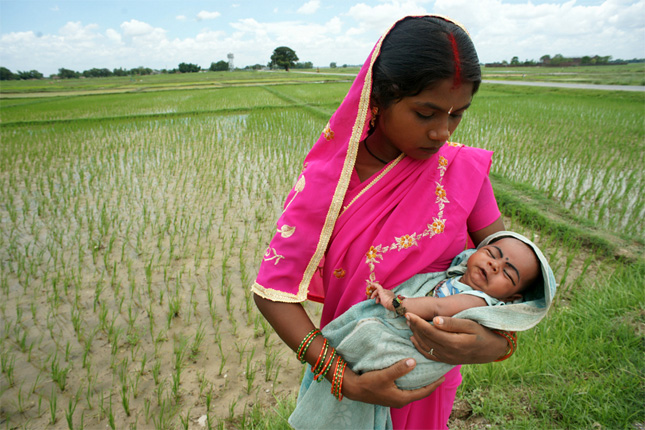
›Maternal and fetal health is at the forefront of concerns about the spread of Zika. The fetal brain defects known to be linked to the virus are devastating – and may only be the tip of the iceberg in terms of the virus’s impact, according to a panel of high level U.S. government officials speaking at the Wilson Center on May 24.
-
History’s Largest Generation Isn’t Getting the Health Care It Needs to Thrive
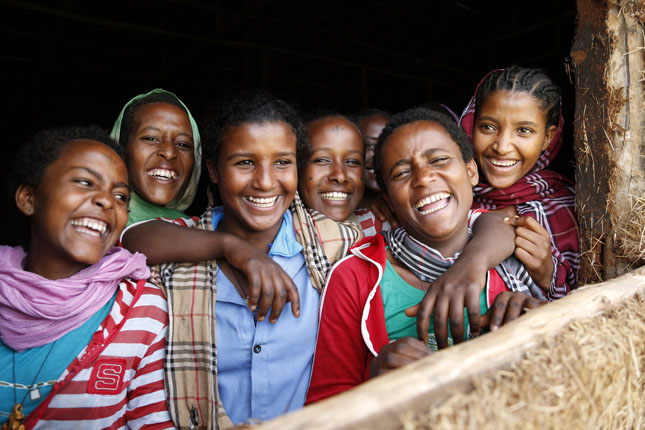
›At 1.8 billion strong, the current generation of 10 to 24 year olds is the largest in human history. Approximately 90 percent of these adolescents live in less developed countries. This poses an unprecedented challenge for health systems and social policies which largely struggle to meet the unique needs of young people, according to a new Lancet commission.
-
Global Population and Reproductive Health (Book Preview)
›Population, reproductive health, and environmental sustainability are inextricably linked. Growing populations place increasing demands on the environment, while meeting the reproductive health needs of populations usually slows their growth. Often, however, policymakers, scholars, and journalists discuss these issues separately, as if unrelated.
Showing posts from category family planning.