-
Wilson Center’s Lisa Palmer Launches ‘Hot, Hungry Planet’
›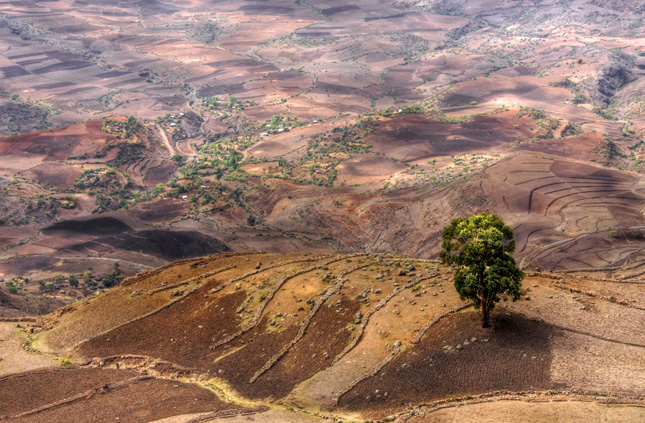
A steadily increasing global population, growing food demand, and changing climate necessitate new kinds of thinking in agriculture but also fields like public health and energy, concludes a new book, Hot, Hungry Planet, by former Wilson Center Public Policy Scholar and current Senior Fellow at the National Socio-Environmental Synthesis Center Lisa Palmer.
-
What’s in a Label? Lessons on Advancing Global Health Goals From Corporate Green Standards
›
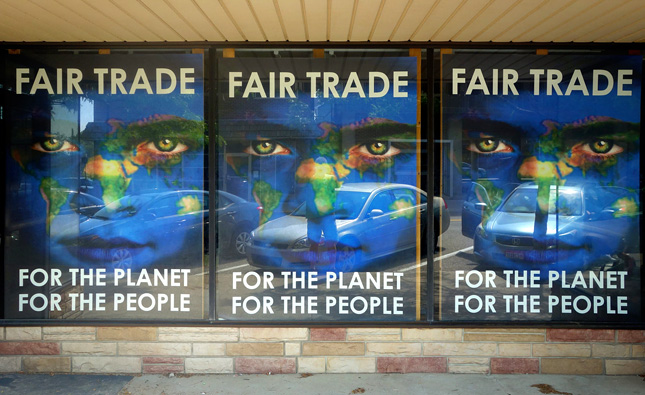
As you walk through the supermarket, you’ve probably noticed labels like “Rainforest Alliance Certified,” “Fair Trade,” or “Green Seal.” These certifications were created to help consumers use their purchasing power to reward companies that treat workers fairly and limit their harm to the environment. What’s missing is health, particularly women’s health. Too often these standards focus narrowly on occupational safety rather than addressing broader, but relevant, health needs of workers.
-
For India, Achieving the Next Generation of Maternal Health Goals Requires New Approaches
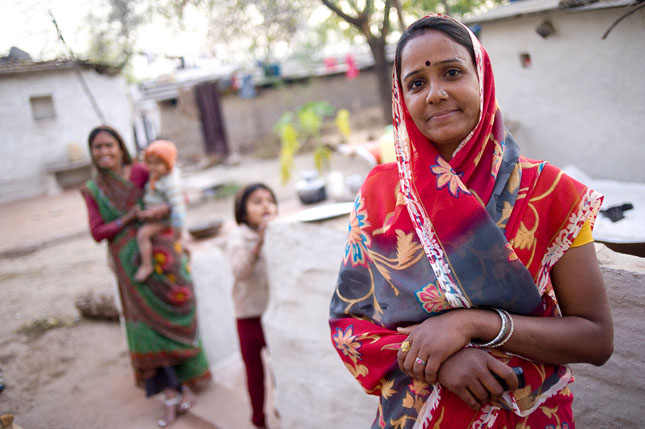
›Achieving the next generation of maternal health goals in India, which accounts for almost 15 percent of maternal deaths around the world each year, will require innovative new approaches to stubborn problems.
-
With New Analytics, a Vision of Alternative Futures for Uganda
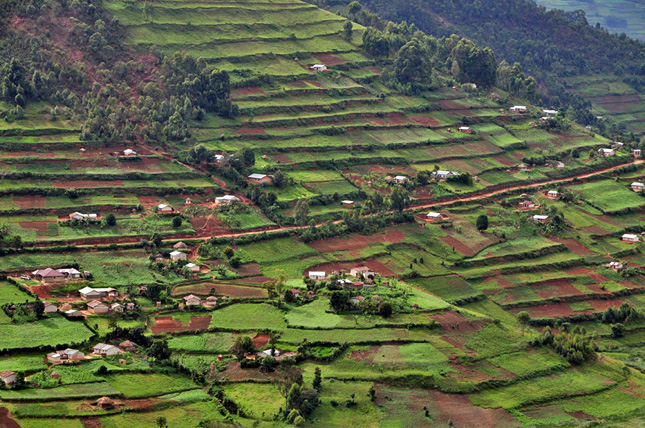
›Since becoming an independent nation in 1962, Uganda has struggled with high rates of poverty, regional and international conflict, and both endemic and epidemic disease outbreaks, particularly HIV/AIDS. In recent years, though, it has become a key partner of the United States. The U.S. government provides foreign assistance to improve the lives of Ugandans but also to advance stability in the East Africa region generally, with the bulk of these programs administered by the U.S. Agency for International Development (USAID).
-
State of the World Population 2016, and Fostering Development Through Family Planning
›The United Nations Population Fund’s 2016 State of the World Population report calls for investment in a very specific demographic: 10-year-old girls. At age 10, young girls are at a “pivotal” stage in their lives, the report says. They face a world of limitless possibilities, yet far too many end up thwarted in their ambitions by sexual violence, forced marriage, female genital mutilation, child labor, and other “systematic disadvantages.” -
Reproductive Health Care in Crises Has Come a Long Way, Says Sandra Krause, But There’s More to Be Done
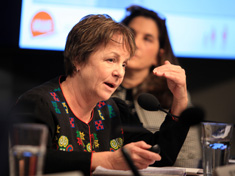
›There may be more women and girls at risk of maternal health complications in fragile and conflict-affected settings today, but attention to the issue is not new and the international community has made important strides over the last 20 years, says Sandra Krause, program director for reproductive health at Women’s Refugee Commission, in this week’s podcast. -
No Mother Left Behind: How Conflict Exacerbates the Global Maternal Health Challenge
›Since the end of World War II, the number of wars between states has declined significantly, but the number of intrastate civil conflicts – as seen in Syria and Afghanistan – has increased.
-
Roger-Mark De Souza & Sono Aibe, Inter Press Service
Making the Goals: Why Sustainable Development Must Be Integrated Development
›October 6, 2016 // By Wilson Center StaffBy recognizing how closely connected the different aspects of sustainable development are, the Sustainable Development Goals (SDGs) create an important opportunity – and challenge – for a more coordinated approach to implementing development policies.
Showing posts from category family planning.
 There may be