-
From Day One: Malawi President Joyce Banda on Girls Ages 0-10
›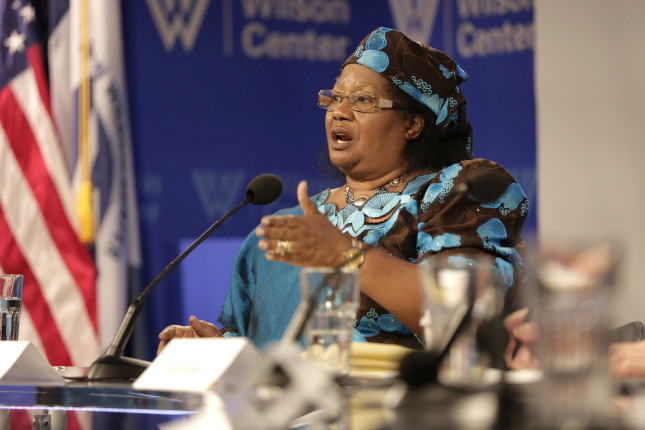
“Over 130 million girls around the world are not in school through no fault of their own,” said Her Excellency Joyce Banda, former president of the Republic of Malawi, at the launch of her new book, From Day One: Why Supporting Girls Aged O to 10 Is Critical to Change Africa’s Path, at the Center for Global Development.
-
Franklin Moore: Fostering Local Innovation Through Community Organization
› Africare’s work has been built on a “strong belief that community mobilization and local capacity building and innovation are the cornerstones of successful development, and that, for us, includes resilience,” says Franklin Moore, Chief of Programs for Africare, in a podcast from a recent Wilson Center event. “Community engagement, capacity building, and looking at locally driven behavior and social change is what empowers communities.”
 -
Family Planning Can Mean Big Progress for the Sustainable Development Goals—And Here’s How
›As the UN High-Level Forum on Sustainable Development continues this week, member states and civil society are taking a hard look at countries’ progress toward securing safe drinking water, sanitation, and adequate housing. Achieving these and the other Sustainable Development Goals (SDGs) requires recognizing the synergies among them—including the role that reproductive health and family planning can play. You may ask, “Why does family planning matter for the SDGs not related to health?” The answer is that it is one of the most cost-effective investments for achieving the SDGs. Increasing access to family planning provides sweeping social, economic, and environmental benefits for every dollar spent.
-
A Firm Foundation: Contraception, Agency, and Women’s Economic Empowerment
› According to a raft of experts, empowering women to be economic actors would change quite a bit. The UN Secretary General set up a High-Level Panel on it; Melinda Gates keeps talking about it; and the World Bank and Ivanka Trump recently launched an initiative to unlock billions in financing for it. Targets related to women’s economic empowerment cut across multiple Sustainable Development Goals, including advancing equal rights to economic resources, doubling the agricultural productivity and incomes of women who are small-scale farmers, and achieving full and productive employment and decent work for all women. -
A More Resilient World: The Role of Population and Family Planning in Sustainable Development
›“Community mobilization, local capacity-building, and innovation are the cornerstones of successful development. And that for us includes resilience,” said Franklin Moore, Africare’s Chief of Programs, at a Wilson Center event on family planning and sustainable development. As rapid population growth intersects with challenges like food insecurity and water scarcity, communities in developing countries need not only the capacity to absorb short-term shocks, they also need transformative capacity to address long-term challenges.
-
How Family Planning Can Help Save Cheetahs
›Conservationists and development practitioners may not have always seen eye to eye, but a new partnership between a cheetah conservation charity and a network of reproductive health NGOs is making the case for why these groups need to work more closely together.
-
Faith in Family Planning: Healthy Timing and Spacing of Pregnancies
›“When you enable a family to be able to time and space their children, you actually improve the overall health of that family,” said Dr. Alma Golden, the Deputy Assistant Administrator of USAID’s Bureau for Global Health, at a recent Wilson Center event on the role of faith-based organizations in family planning. Faith-based groups are an “irreplaceable asset,” said Dr. Golden, when it comes to fighting stigma and marginalization and promoting positive health behaviors.
-
Women and War: Securing a More Peaceful Future
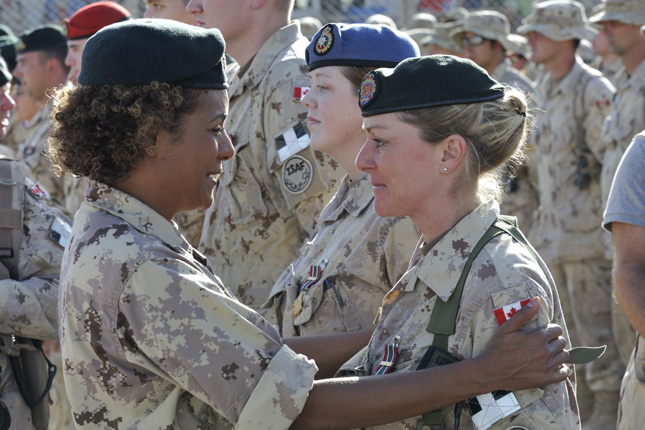
›“Conflicts are 35 percent more likely to be resolved and remain peaceful for 15 years if women are involved,” said Carla Koppell, vice president of the Center for Applied Conflict Transformation at the United States Institute of Peace, at a recent Wilson Center event on the role of women in war, security, and peace.
Showing posts from category family planning.
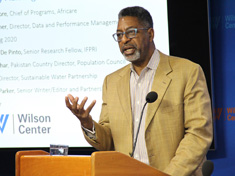 Africare’s work has been built on a “strong belief that community mobilization and local capacity building and innovation are the cornerstones of successful development, and that, for us, includes resilience,” says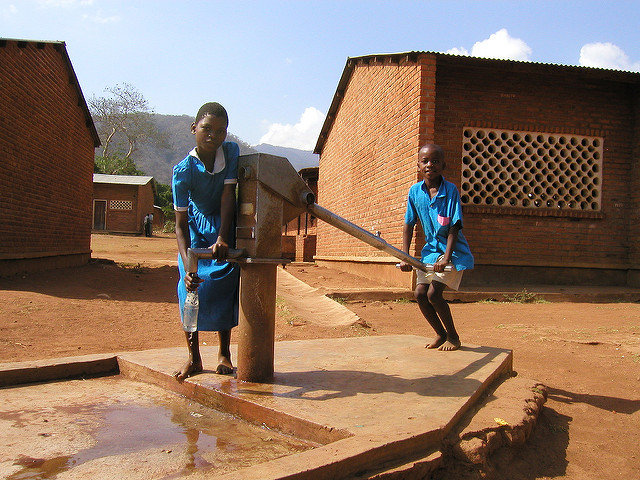
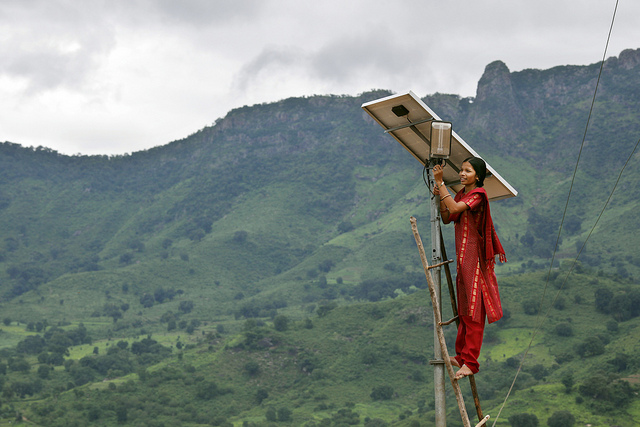 According to a raft of experts, empowering women to be economic actors would change quite a bit. The UN Secretary General set up a