-
ECSP Weekly Watch: February 19 – 23
› A window into what we are reading at the Wilson Center’s Environmental Change and Security Program
Progress—and Room for Improvement—in UNEP’s Annual Report (United Nations Environment Programme)
How effective is the United Nations Environment Programme (UNEP)’s work on the fight against climate change? Its Annual Report analyzed the work it has done over the past year to do so. The UNEP supports key areas in which progress has been made, including waste reduction through the Global Framework on Chemicals and global instrument on plastic pollution, biodiversity protection efforts through various frameworks, and loss and damage mobilization through COP28.
-
The Complicated Relationship Between Climate, Conflict, and Gender in Mozambique
›Guest Contributor // February 12, 2024 // By Gracsious Maviza, Mandlenkosi Maphosa, Giulia Caroli, Thea Synnestvedt & Joram Tarusarira Individuals face immense challenges in displacement contexts, particularly where climate, conflict, and displacement intersect. In Mozambique, climate impacts have combined with conflict to displace nearly a million people. Entire livelihoods, identities, and stability are vanishing. Women, men, girls, and boys are not just losing homes; they are losing their place in traditional societal roles, too. This chaos—and responses by the international community—are reshaping Mozambique’s gender dynamics.
 -
ECSP Weekly Watch | February 5 – 9
›A window into what we are reading at the Wilson Center’s Environmental Change and Security Program
El Niño and Global Warming’s Shared Impact on Chile and California (New York Times)
Devastating wildfires have killed over 120 people in Chile, where a decade-long drought has created extreme fire weather conditions. While the country has experienced wildfires for years, a recent study found that unusually warm ocean temperatures created by El Niño have combined with climate-fueled droughts and heat waves to contribute to the wildfires now raging.
-
ECSP Weekly Watch | January 22 – 26
›A window into what we are reading at the Wilson Center’s Environmental Change and Security Program
World Groundwater Levels Face Accelerated Decline
Courtesy of Reuters, Reported by David Stanway and Edited by Tomasz Janowsk
Nature recently released a report revealing that global groundwater levels have undergone a widespread and accelerated decline over the past 40 years. Researchers concluded that this has likely occurred as a result of the impact of two factors: unsustainable irrigation practices in dry climates and drought driven by climate change.
-
Environment and Security | Q&A with Editor in Chief, Ashok Swain
›From Afghanistan, Nepal, and Libya to the Arctic, the new issue of Environment and Security takes a fresh look at emerging issues at the intersection of environment and security. Ashok Swain, Editor in Chief of Environment and Security, spotlights some of the new research and insights in this Q&A with ECSP staff.
Q: The new issue of Environment and Security features an article on Arctic governance, including a close examination of the International Code for Ships Operating in Polar Waters (Polar Code). How do the authors assess this regulatory instrument as it enters its 10th year since adoption?
-
Before the Flood: Lessons from Attempts to Predict Displacement
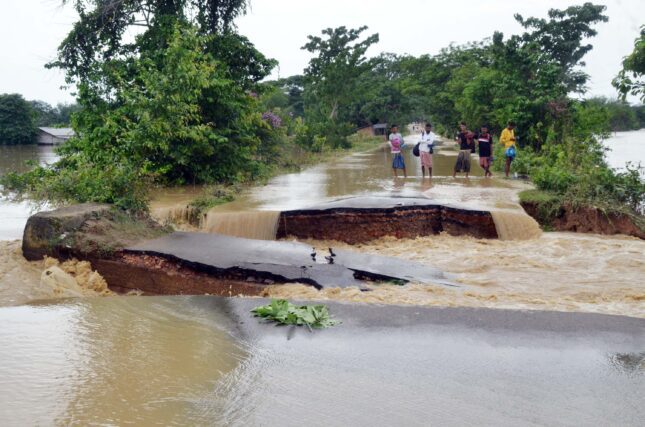
›Severe flooding is a major cause of human displacement. According to the latest annual report by the International Displacement Monitoring Centre, around 61 million people were forced to move within their country of residence during 2022 due to conflict or disasters. More than one quarter of these—19.2 million people—were displaced by floods.
-
Unpacking the Impact of the Fifth National Climate Assessment
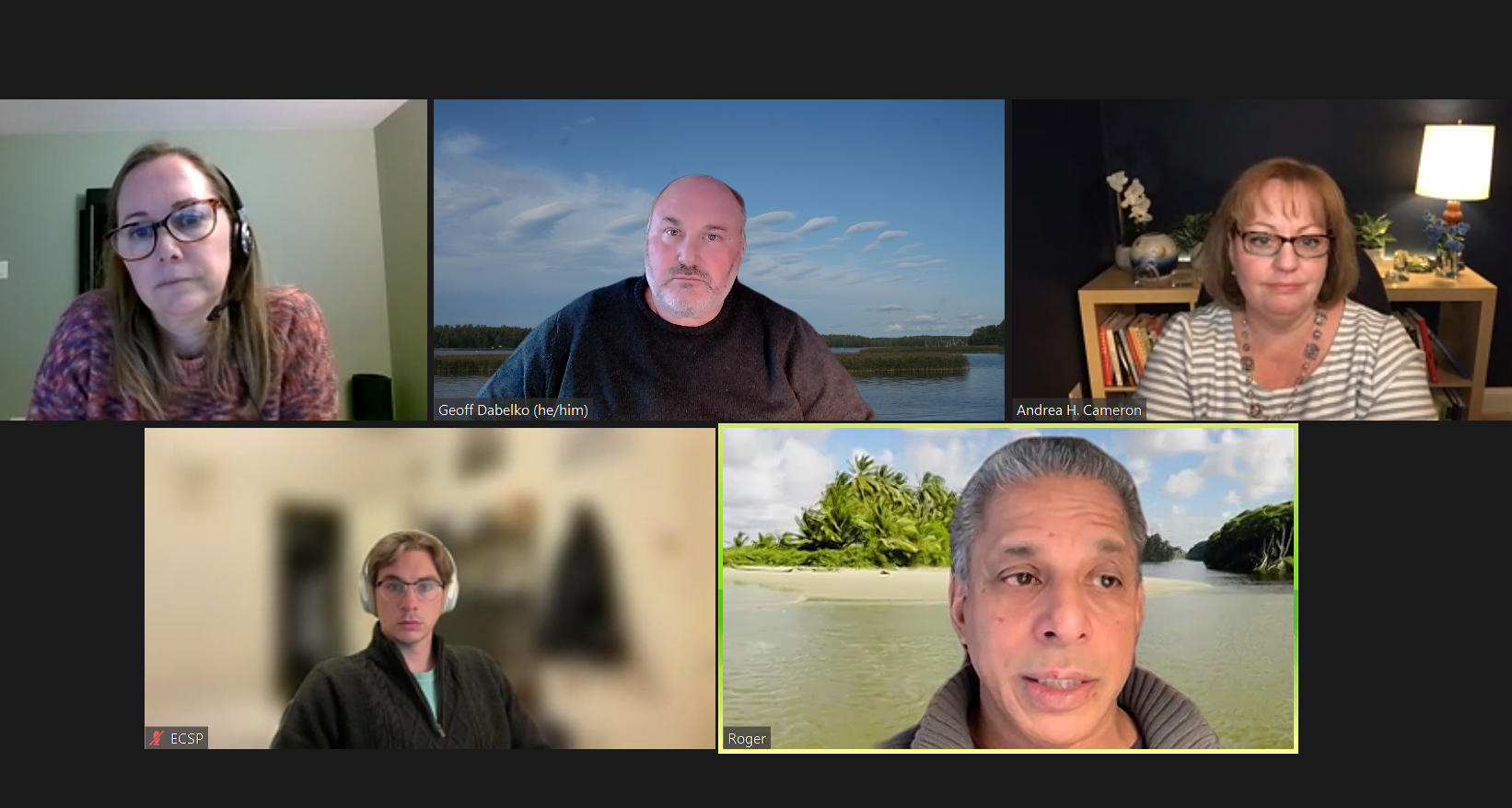
›In today’s episode of New Security Broadcast, ECSP Director Lauren Risi hosts three contributing authors of the international chapter of the recently released fifth National Climate Assessment. Dr. Roger Pulwarty is a Senior Scientist with the Physical Sciences Laboratory at NOAA; Dr. Andrea Cameron is a permanent military professor teaching policy analysis at the US Naval War College; and Dr. Geoff Dabelko is a Professor and Associate Dean with the Voinovich School of Leadership and Public Affairs at Ohio University and a senior advisor to ECSP. In the conversation, the authors discuss the implications of climate change for national and international security, and they delve into the international chapter and its significance for policymakers in the US and abroad. -
ECSP Weekly Watch | November 27 – December 1
›A window into what we are reading at the Wilson Center’s Environmental Change and Security Program
Why is COP Important?
Governments, policymakers, advocates, and observers have entered another annual UN climate conference cycle. Known as a “COP” (or “conference of parties”), these annual government-level gatherings focus on climate action, including assessments of progress toward the Paris Agreement and the creation of even more ambitious plans.
Showing posts from category extreme weather.
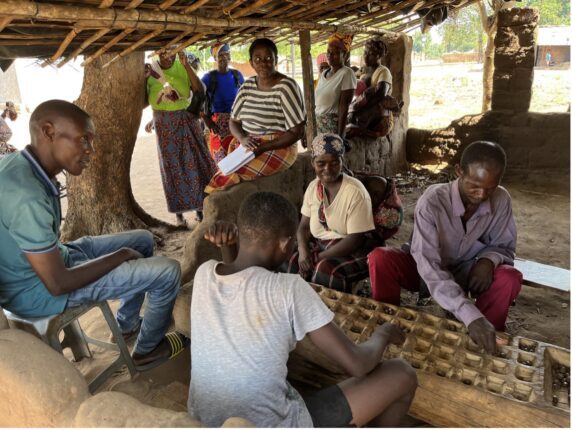 Individuals face immense challenges in displacement contexts, particularly where climate, conflict, and displacement intersect. In Mozambique, climate impacts have combined with conflict to displace nearly