-
Climate Security in South Sudan: A Conversation with Ratia Tekenet
› In today’s episode of New Security Broadcast, ECSP Director Lauren Risi interviews Ratia Tekenet, a Climate Security Expert with the UN Mission in South Sudan (UNMISS) and a former ECSP staff member. In their conversation, Ratia explores how climate change is intensifying South Sudan’s security challenges, creating an immense humanitarian crisis. She also discusses the efforts of UN agencies, the South Sudanese government, and local communities to build resilience and respond to ongoing climate disasters, as well as the need for greater integration of the humanitarian-development-peace (HDP) nexus. Select quotes from the interview are featured below.
 -
ECSP Weekly Watch | August 26 – 30
› A window into what we are reading at the Wilson Center’s Environmental Change and Security Program
World Food Program Faces Scrutiny Over Fraud in Sudan (Reuters)
As Sudan suffers an immense humanitarian crisis due to an ongoing internal conflict between the Army Forces and the paramilitary Rapid Support Forces (RSF), the U.N. World Food Program (WFP) has provided crucial aid to people displaced by the conflict. Yet its ability to continue this crucial work is now under threat because of allegations of illicit activities made against its top officials in that country. These developments have drawn the attention of humanitarian practitioners and diplomats—who also have concerns regarding WFP’s mismanagement and how it might have contributed to the failure to deliver enough aid in Sudan.
-
ECSP Weekly Watch | August 19 – 23
›A window into what we are reading at the Wilson Center’s Environmental Change and Security Program
What’s Next for the Teesta Water Disputes? (The Hindu)
The recent political upheaval in Bangladesh which led to the resignation of Prime Minister Sheikh Hasina and the return of Nobel Peace Prize laureate Muhammed Yunus as leader of an interim government is not the only tumult in this nation. A worsening trend in weather events there has heightened Bangladesh’s exposure to climate shocks and allowed a dispute over the Teesta River to reemerge.
-
ECSP Weekly Watch | August 12 – 16
›A window into what we are reading at the Wilson Center’s Environmental Change and Security Program
Mpox Outbreak a Global Health Emergency, Again (The Washington Post)
Various rapidly spreading mpox strains in Central and East African countries have led the World Health Organization (WHO) to declare the viral infection as a global health emergency. More than 15,000 people have been infected this year alone, with over 500 deaths reported. Mpox is transmitted largely through exposure to infected animals, as well as via skin-to-skin or sexual contact, and it disproportionately affects heterosexuals and sex workers.
-
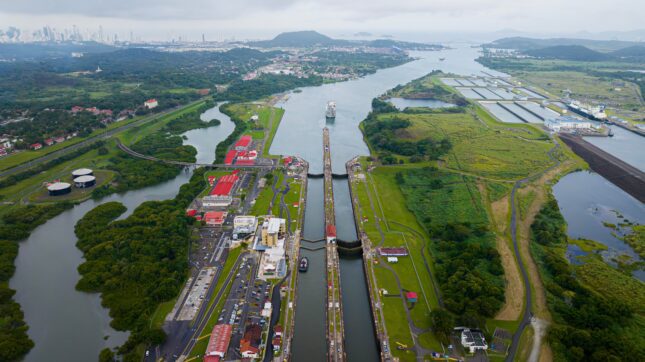
No, the Panama Canal is Not Running Dry
›Earlier this year the media made much ado about drought conditions constraining traffic through the Panama Canal. But is it really all they’re making it out to be?
The most recent drought conditions started with below-average rainfall in late 2022, and by January 2024 were being described as the worst drought in Canal history. The Panama Canal Authority (ACP) ranked 2023 as the second driest year since 1950. News articles reported cargo traffic was reduced by nearly 40% and that the world faced a $270 billion traffic jam in Panama.
-
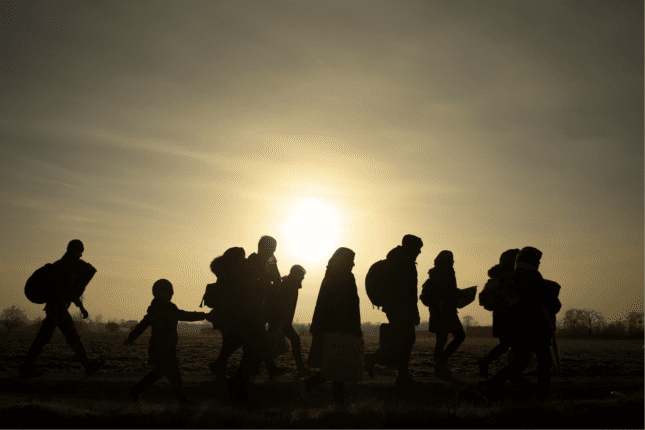
Climate Change and Children’s Mobility
›Environmental shocks have been linked to significant changes in human migration around the world. Yet the large literature on environmental change and migration to date has primarily focused on working-age adults, working largely on the assumption that climatic impacts are most likely to influence labor migration.
-
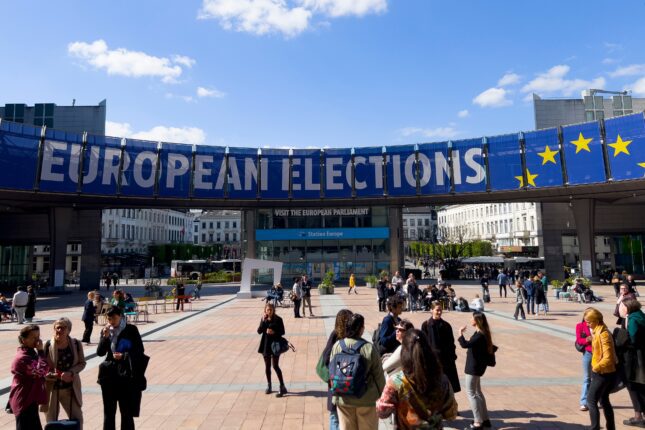
Climate Security and Europe’s Greens: A Match Made in Political Heaven?
›When Luxembourg’s Green Party was offered the defense portfolio in coalition talks after performing strongly in the country’s 2019 elections, its senior members faced a dilemma. Never before had a party of its political stripe held that brief anywhere in the world.
Some of the Green rank and file, drawn from pacifist backgrounds, seemed uncertain as to what to make of it all. But to François Bausch, the Green politician who ultimately took on the roles of defense minister and deputy prime minister there, the answer seemed obvious. Here was an opportunity for the party to advocate for climate security from a highly relevant perch, all while showing voters that it could be trusted with such strategic concerns.
-
ECSP Weekly Watch | June 3 – 7
›A window into what we are reading at the Wilson Center’s Environmental Change and Security Program
The Perils of Climate Reporting: Global Threats to Journalists Surge
Environmental journalists are under attack. That is the conclusion of a new global survey conducted by Internews’ Earth Journalism Network and Deakin University. These researchers found that nearly 40% of climate and environment journalists have been threatened with harm, with 11% experiencing actual physical violence—often from individuals involved in illegal logging, mining, and other activities. Testimony from journalists at a recent ECSP event titled Environmental Journalists on the Frontlines of Democracy also made it clear that covering such illegal activities is increasingly perilous.
Showing posts from category extreme weather.