-
Michael Kugelman Explains the Flare Up in India-Pakistan Water Tensions
›October 21, 2016 // By Schuyler Null
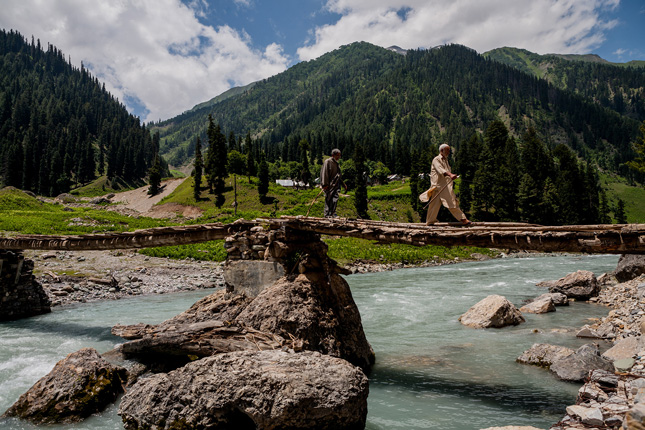
Last month, India subtly warned that it could withdraw from the Indus Waters Treaty with Pakistan, one of the oldest and most significant water treaties in the world, because of a lack of “mutual trust and cooperation.” A week later, the Indian military launched a “surgical strike” across the Pakistani line of control in Kashmir against alleged terrorist camps.
-
As Ivory Becomes Bigger Issue, Environmental Peacebuilding Gaining Ground at IUCN World Congress
›
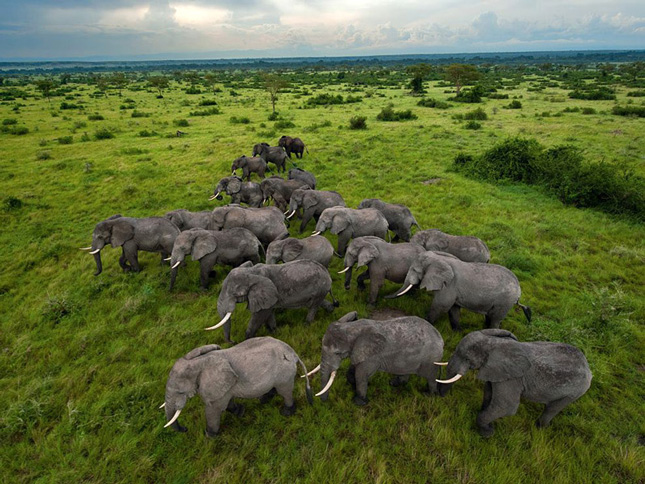
A traditional conservation approach to climate change (e.g., habitat restoration, species protection) has been a primary tenet of the International Union for Conservation of Nature (IUCN) agenda for decades. But this fall at the quadrennial World Conservation Congress in Hawai’i there were new discussions about tackling climate change in the context of national security and environmental peacebuilding.
-
In Drought-Stricken India, Water Tensions Spill Into the Streets
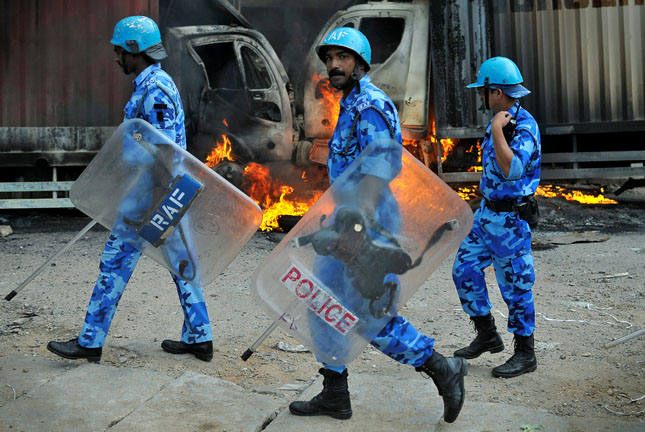
›October 7, 2016 // By Sreya PanugantiAs the remains of nearly 60 buses smoldered at a depot in Bangalore, the “Silicon Valley” of India, protestors chanted, “We will give blood, but not Cauvery!” Downstream, in neighboring Chennai, at least 100 vehicles have been damaged, more than 500 people have been arrested, and a 25-year old died after setting himself on fire in protest.
-
Michael Kugelman, Foreign Policy
Why the India-Pakistan War Over Water Is So Dangerous
›October 6, 2016 // By Wilson Center StaffEarly on the morning of Sept. 29, according to India’s Defense Ministry and military, Indian forces staged a “surgical strike” in Pakistan-administered Kashmir that targeted seven terrorist camps and killed multiple militants. Pakistan angrily denied that the daring raid took place, though it did state that two of its soldiers were killed in clashes with Indian troops along their disputed border. New Delhi’s announcement of its strike plunged already tense India-Pakistan relations into deep crisis. It came 11 days after militants identified by India as members of the Pakistani terrorist group Jaish-e-Mohammed killed 18 soldiers on a military base in the town of Uri, in India-administered Kashmir.
-
Silently, Quickly, and Completely: The World’s Lakes in Peril
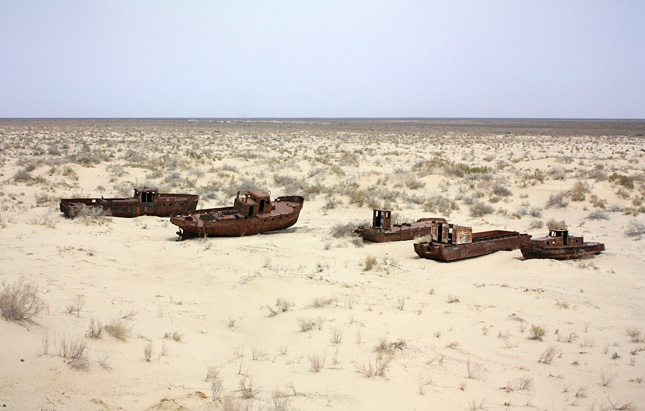
›September 28, 2016 // By Cara ThuringerWhen Lake Poopó, Bolivia’s second-largest lake, dried up last December, an entire community lost their way of life and the scientific community cast their eyes to the map asking, where next? They didn’t have to look far. According to a report prepared by the World Lake Vision Committee, a collaboration between the International Lake Committee Foundation, the Shiga Prefectural Government of Japan, and the United Nations Environment Program, there are very few major lake systems that are not experiencing decreasing water quality, volume, biodiversity, or some combination of the three.
-
Report: Deadly Miscues on the Brahmaputra an Argument for More Transboundary Cooperation
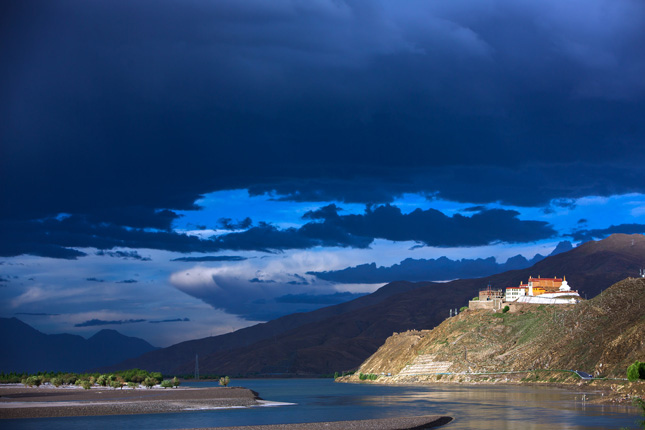
›Over the course of 1,800 miles, 5,300 vertical feet, and at least five name changes, the Brahmaputra River, in sometimes turbulent outbursts, flows from the Tibetan plateau to the Bay of Bengal. Along the way, it crosses three countries, including major geopolitical rivals China and India, and supplies 90 percent of downstream Bangladesh’s freshwater during the dry season.
-
UN Special Rapporteur Calls for Action on Toxic Remnants of War to Protect Children
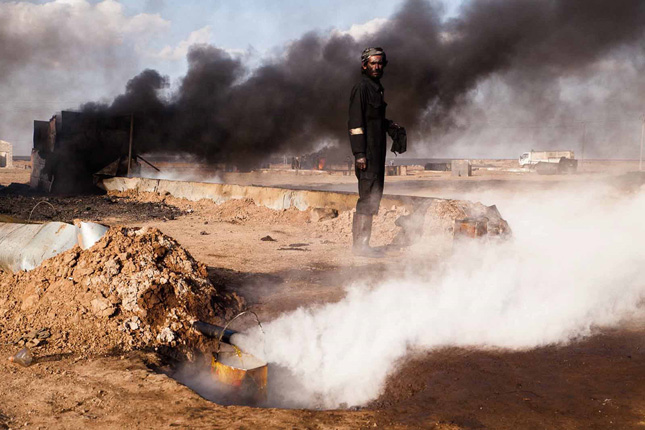
›This month, Baskut Tuncak, the United Nations special rapporteur on human rights and toxics, presented the findings of his report on the effects of hazardous substances on the lives of children around the world to the 33rd session of the Human Rights Council. His conclusions were bold and brave for their implications on conflict: States should take responsibility for cleaning up the toxic remnants of war and providing medical aid to affected communities and individuals.
-
White House Announces Steps to Address Climate and National Security Alongside New Intelligence Assessment
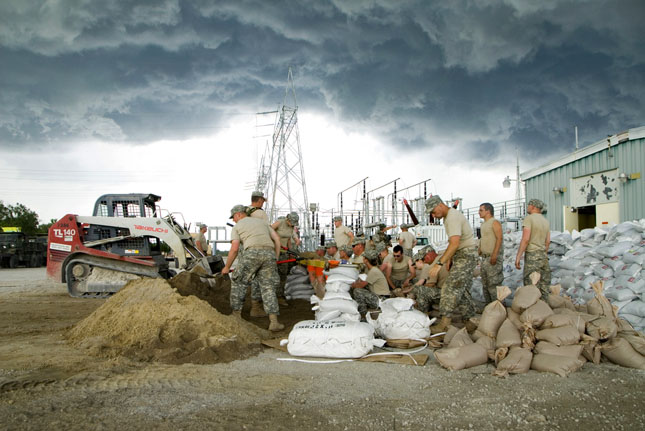
›Yesterday afternoon President Obama announced a new Presidential Memorandum on climate change and national security. The policy directs 20 federal agencies to consider the national security implications of climate change and establish a working group that will develop a Climate Change and National Security Action Plan for the federal government.
Showing posts from category environmental security.