

-
ECSP Weekly Watch | December 4 — 8
›
A window into what we are reading at the Wilson Center’s Environmental Change and Security Program
Possibilities for Peace and Conflict at COP28
October 2023 was the world’s warmest month in history, a fact which underscores the escalation of the climate crisis. It also supports official reports on adaptation and emission gaps which provide pessimistic outlooks for the future of peace in conflict-affected areas.
-
ECSP Weekly Watch | November 27 – December 1
›
A window into what we are reading at the Wilson Center’s Environmental Change and Security Program
Why is COP Important?
Governments, policymakers, advocates, and observers have entered another annual UN climate conference cycle. Known as a “COP” (or “conference of parties”), these annual government-level gatherings focus on climate action, including assessments of progress toward the Paris Agreement and the creation of even more ambitious plans.
-
Gaza, Yemen, Syria, Human Rights, and Oil: The Elephants in the COP28 Room
›The annual multilateral Conference of the Parties (COP) has become one of the most important meetings on the global agenda. So the fact that the United Arab Emirates (UAE) will host COP28 starting this week in Dubai—on the coattails of another Arab country, Egypt, hosting COP27 in 2022—is a big deal. Bringing such important international meetings to the Global South is a step forward in decentering and reorienting global climate action.
-
The Arc | Dr. Robert McLeman on Climate Migration, Equity, and Policy
› In today’s episode of The Arc, ECSP Director Lauren Risi interviews Dr. Robert McLeman, a professor of Geography and Environmental Studies at Wilfrid Laurier University in Toronto. Dr. McLeman unpacks how climate change interacts with social, economic, and political conditions in ways that lead some communities more vulnerable to climate-related displacement than others. He also shares insights into how we can better promote safe, dignified, and just migration in the context of climate change and how justice and equity considerations are being incorporated into climate migration policy.
-
Relief, Recovery, and Peace: Peter Schwartzstein on COP28’s New Theme
›
In today’s “Relief, Recovery, and Peace” episode on New Security Broadcast, we’re featuring an interview recorded by the Wilson Center’s Middle East Program (MEP) with Peter Schwartzstein, a Wilson Center Global Fellow and environmental journalist.
In a conversation with MEP director, Merissa Khurma, Schwartzstein discusses the impact of the war in Gaza on COP28 and environmental peacebuilding efforts more broadly in the region. He also talks about how to advance the new theme of peace in COP discussions and what his hopes are for a best-case scenario coming out of the upcoming summit. -
Ecological Threat Report 2023: Same Hotspots, More Risk
›Future projections of social disturbance due to climate change and ecological pressures provide little optimism for peace in conflict-affected areas over the coming decades. Yet, can we identify current hotspots and future areas of conflict risk? The fourth Ecological Threat Report (ETR), produced by the Institute for Economics & Peace, attempts to do so by taking on the monumental task of evaluating the relationship between ecological threats and peace.
The new report documents a world of growing ecological threats and declining social resilience in the states and territories most vulnerable to a changing climate. And by assessing ecological threats, societal resilience, and levels of peacefulness at the state, territorial, subnational, and city levels, the report also finds a strong correlation between ecological threats and levels of peacefulness.
-
ECSP Weekly Watch | November 13 – 17
›A window into what we are reading at the Wilson Center’s Environmental Change and Security Program
A Fifth National Climate Assessment
The US Global Change Research Program launched the fifth National Climate Assessment (NCA) on Monday, November 13. Published once every five years, the NCA is the United States’ leading report on climate change impacts, risks, and responses.
-
Relief, Recovery, and Peace: David Nicholson on COP28’s New Theme
›In a new mini-series previewing the upcoming UN Climate Summit (COP28)’s new focus on relief, recovery, & peace, ECSP Program Director Lauren Risi spoke with David Nicholson, Director of the Environment, Energy and Climate Change Technical Support Unit at Mercy Corps.Nicholson described his role in ensuring that climate change is at the center of Mercy Corps’ wide-ranging and successful global humanitarian aid programs in 42 countries—and the importance of having local staff to make interventions a true partnership. He also talks about climate finance, and his hopes that COP28’s theme of “relief, recovery and peace” will advance the view that peacemaking is essential to adaptation efforts.
Showing posts from category environmental security.
 In today’s “Relief, Recovery, and Peace” episode on New Security Broadcast, we’re featuring an interview recorded by the Wilson Center’s Middle East Program (MEP) with Peter Schwartzstein, a Wilson Center Global Fellow and environmental journalist.
In a conversation with MEP director, Merissa Khurma, Schwartzstein discusses the impact of the war in Gaza on COP28 and environmental peacebuilding efforts more broadly in the region. He also talks about how to advance the new theme of peace in COP discussions and what his hopes are for a best-case scenario coming out of the upcoming summit.
In today’s “Relief, Recovery, and Peace” episode on New Security Broadcast, we’re featuring an interview recorded by the Wilson Center’s Middle East Program (MEP) with Peter Schwartzstein, a Wilson Center Global Fellow and environmental journalist.
In a conversation with MEP director, Merissa Khurma, Schwartzstein discusses the impact of the war in Gaza on COP28 and environmental peacebuilding efforts more broadly in the region. He also talks about how to advance the new theme of peace in COP discussions and what his hopes are for a best-case scenario coming out of the upcoming summit.
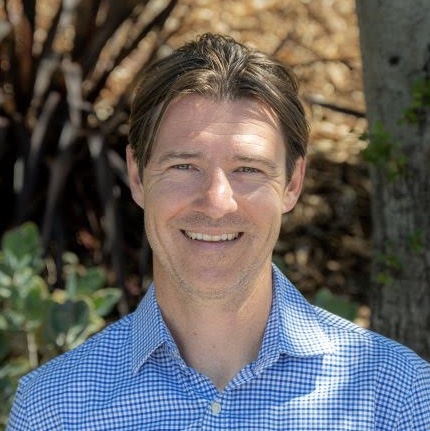 In a new mini-series previewing the upcoming UN Climate Summit (COP28)’s new focus on relief, recovery, & peace, ECSP Program Director Lauren Risi spoke with David Nicholson, Director of the Environment, Energy and Climate Change Technical Support Unit at Mercy Corps.

