-
Environment and Security | Q&A with Editor in Chief, Ashok Swain
›
From Afghanistan, Nepal, and Libya to the Arctic, the new issue of Environment and Security takes a fresh look at emerging issues at the intersection of environment and security. Ashok Swain, Editor in Chief of Environment and Security, spotlights some of the new research and insights in this Q&A with ECSP staff.
Q: The new issue of Environment and Security features an article on Arctic governance, including a close examination of the International Code for Ships Operating in Polar Waters (Polar Code). How do the authors assess this regulatory instrument as it enters its 10th year since adoption?
-
ECSP Weekly Watch | January 15 — 19
›
A window into what we are reading at the Wilson Center’s Environmental Change and Security Program
The Worsening Environmental Impact of the War in Gaza
The Gaza Strip has long been uniquely vulnerable to the climate crisis, with rapid temperature increase and decreasing rainfall plaguing this whole region. Even prior to the current conflict, NGOs in the region and the UN have warned that climate change would be devastating, particularly for food and water security in the Gaza Strip and West Bank.
-
ECSP Weekly Watch | January 8 – 12
›A window into what we are reading at the Wilson Center’s Environmental Change and Security Program
Loopholes in the UN Climate Plan?
Climate negotiators’ pledges to address climate change at the U.N. conference in Dubai by committing to limit global warming to 1.5 degrees Celsius and achieving net-zero greenhouse gas emissions by 2050 may be less solid than they appear. Scientists argue that these promises lack clear definitions and are filled with loopholes.
-
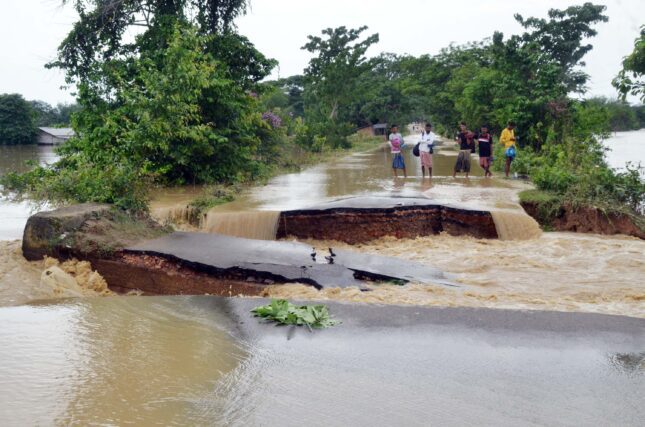
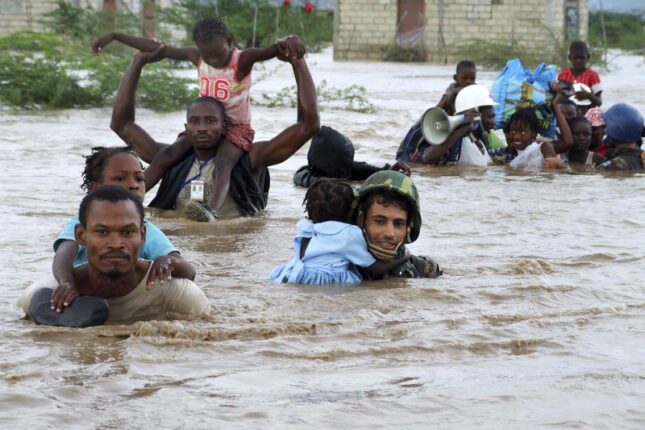
Before the Flood: Lessons from Attempts to Predict Displacement
›Severe flooding is a major cause of human displacement. According to the latest annual report by the International Displacement Monitoring Centre, around 61 million people were forced to move within their country of residence during 2022 due to conflict or disasters. More than one quarter of these—19.2 million people—were displaced by floods.
-
ECSP Weekly Watch | December 18 – 22
›A window into what we are reading at the Wilson Center’s Environmental Change and Security Program
Severe Water Crisis in Gaza
As intensive coverage of the war in Gaza has waned, the severe water crisis there has only worsened. Constant bombardment is impacting water production and distribution networks, forcing children and families are using water from unsafe sources.
-
A New Tool to Assess Environmental Peacebuilding
›
As climate-related disasters swell in scale and intensity, the countries and communities impacted by fragility or conflict are among the most vulnerable. The explicit focus on relief, recovery, and peace at COP28 offered the international community a clear acknowledgement that climate and conflict increasingly overlap.
-
ECSP Weekly Watch | December 11 – 15
›A window into what we are reading at the Wilson Center’s Environmental Change and Security Program
COP28 Extension Produces a New Agreement
In the closing moments of COP28, the almost 200 countries in attendance settled on a deal for a roadmap that would include a reference to “phasing out fossil fuels.” This language was a step toward highlighting the inevitability of this transition in order to address climate change.
-
Unpacking the Impact of the Fifth National Climate Assessment
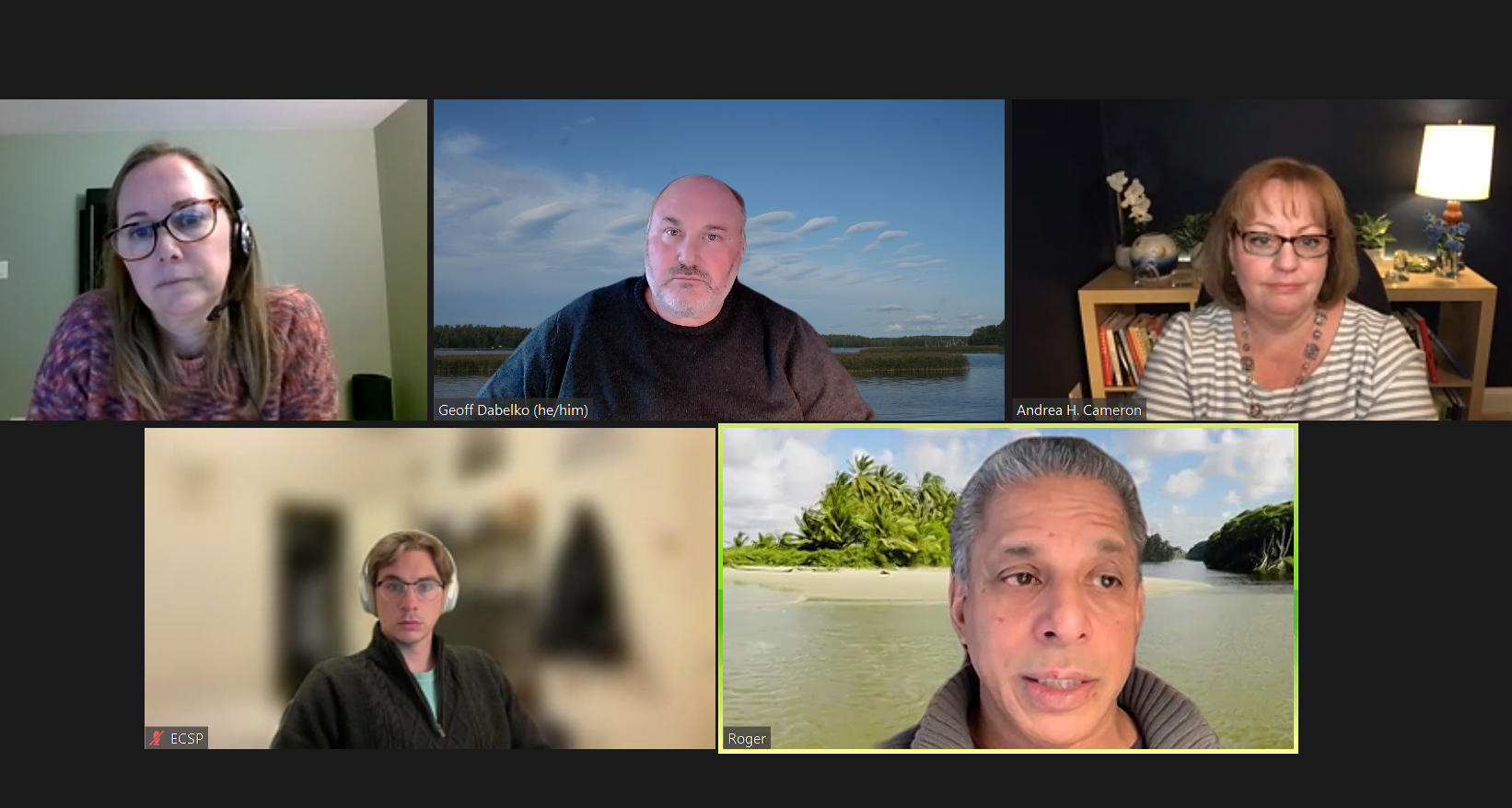
›In today’s episode of New Security Broadcast, ECSP Director Lauren Risi hosts three contributing authors of the international chapter of the recently released fifth National Climate Assessment. Dr. Roger Pulwarty is a Senior Scientist with the Physical Sciences Laboratory at NOAA; Dr. Andrea Cameron is a permanent military professor teaching policy analysis at the US Naval War College; and Dr. Geoff Dabelko is a Professor and Associate Dean with the Voinovich School of Leadership and Public Affairs at Ohio University and a senior advisor to ECSP. In the conversation, the authors discuss the implications of climate change for national and international security, and they delve into the international chapter and its significance for policymakers in the US and abroad.
Showing posts from category environmental security.