-
From Floods To Disaster: A Conflict- And Climate-Sensitive Recovery Pathway For Libya
›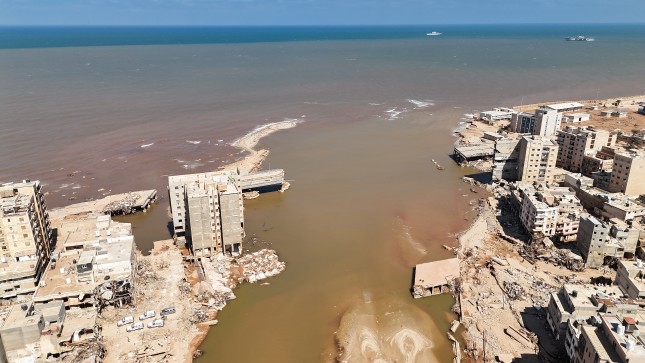
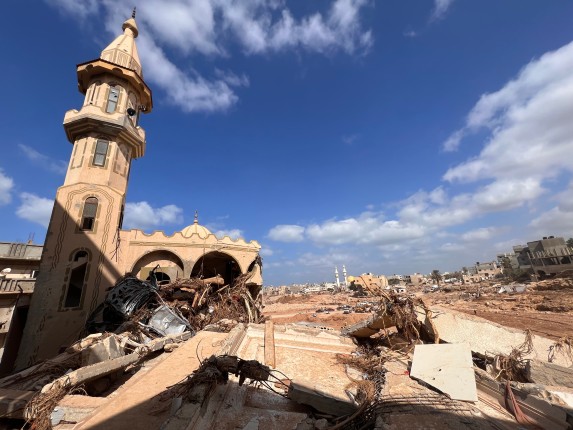
More than 11,300 people are confirmed to have died in the floods that struck eastern Libya on September 11, 2023, far surpassing many estimates of the death toll in the country’s 2011 civil war. Thousands are still missing. Flooding has washed away approximately 25% of the city of Derna, and damage to roads and bridges is curtailing emergency service access. A rapid attribution study estimated that the extreme rain was at least a “1-in-300 year event.” This is far beyond previously recorded incidents, yet such incidents are now up to 50 times more likely—and up to 50% more intense—when compared to a 1.2°C cooler climate.
-
ECSP Weekly Watch | October 2 – 6
›
A window into what we are reading at the Wilson Center’s Environmental Change and Security Program
A Warming World is Accelerating the Spread of Dengue
Dengue is now endemic in most Latin American countries. But scientists warn that a warming climate is increasing the pace of breeding and transmission of dengue-carrying mosquitoes, and bring them into new countries.
-
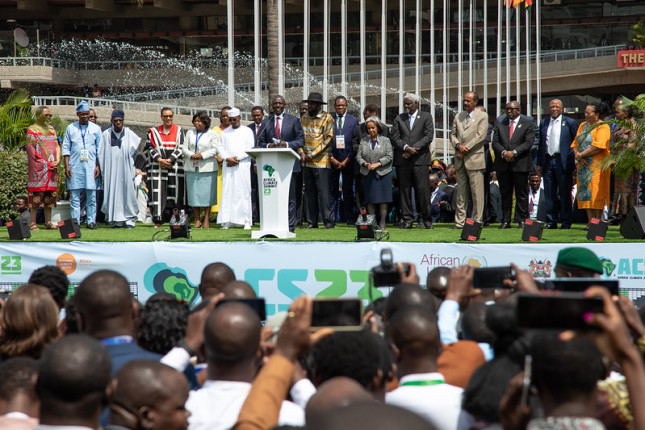
Africa’s First Climate Summit: From Victim to Leader?
›The UN Environment Programme has described Africa as the most vulnerable region in the world to climate change. Despite only being responsible for 3% of global emissions, the continent has been battered by extreme weather events, including droughts, cyclones, wildfires, and sandstorms. One in three people across Africa faces water scarcity. The continent’s agricultural sector, which represents a significant share of African countries’ GDP and employment, is highly exposed to climate change.
-
Disasters in Armed Conflict Zones: Silver Linings or Total Devastation?
›When catastrophic floods struck civil war-ridden Libya in the late summer of 2023, the catastrophe caused over 10,000 deaths and wreaked immense destruction throughout the nation’s northeastern regions. But because none of the warring factions were in full control of the country and international responders were concerned about being caught in the crossfire, relief efforts were delayed and limited. This confluence of factors amplified human suffering, particularly in Libya’s remote and worst-affected areas.
-
Q&A: Peter Schwartzstein on Conflict & Climate in Libya
›In the wake of Storm Daniel, which hit Libya in September 2023, ECSP spoke with Wilson Center Global Fellow Peter Schwartzstein about the storm’s tragic fallout and its connection to conflict. As an environmental journalist and consultant, Schwartzstein has written extensively about the climate-conflict nexus and other environmental and geopolitical issues, primarily in the Middle East, North and East Africa.
-
ECSP Weekly Watch | September 18 – 22
›A window into what we are reading at the Wilson Center’s Environmental Change and Security Program
Converging Crises: Pakistan Flood Victims Face Rising Hunger
According to FAO, Pakistan ranks among the top-ten world producers of wheat, cotton, sugarcane, and mango—and it is the 10th largest producer of rice. But Pakistan is also atop another world ranking: vulnerability to the impacts of global warming.
-
Climate Adaptation at COP28: Eyes on the Middle East
›When COP28 begins in the United Arab Emirates in late November of this year, the multifaceted connections between climate and conflict are expected to receive greater attention from participants than they have at previous conferences.
While there is scant direct causal evidence to suggest that climate change causes conflict, there is a growing body of information that it can influence the risk of conflict by hurting economies, changing broad patterns of human behavior and movement, and straining social cleavages.
-
ECSP Weekly Watch | September 4 – 8
›A window into what we are reading at the Wilson Center’s Environmental Change and Security Program
Peace and Prosperity in the Sahel: Climate Security is Key
Liptako-Gourma is a landlocked region located on the borders of Burkina Faso, Mali, and Niger. It possesses significant mineral, water, and biodiversity resources, and strategically positioned for both economic opportunities and cultural exchange.
Showing posts from category environmental peacemaking.