-
Relief, Recovery, and Peace: David Nicholson on COP28’s New Theme
› In a new mini-series previewing the upcoming UN Climate Summit (COP28)’s new focus on relief, recovery, & peace, ECSP Program Director Lauren Risi spoke with David Nicholson, Director of the Environment, Energy and Climate Change Technical Support Unit at Mercy Corps.
Nicholson described his role in ensuring that climate change is at the center of Mercy Corps’ wide-ranging and successful global humanitarian aid programs in 42 countries—and the importance of having local staff to make interventions a true partnership. He also talks about climate finance, and his hopes that COP28’s theme of “relief, recovery and peace” will advance the view that peacemaking is essential to adaptation efforts.
-
Relief, Recovery, and Peace: Iris Ferguson on COP28’s New Theme
›In a new mini-series previewing the upcoming UN Climate Summit (COP28)’s new focus on relief, recovery, & peace, ECSP Program Director Lauren Risi spoke with Iris Ferguson, the US Department of Defense’s Deputy Assistant Secretary of Defense for Arctic and Global Resilience.Deputy Assistant Secretary Ferguson spoke about why climate security has become a crucial element in DOD planning, as well as why the department will have a highly visible presence at COP28. She also shared the story of her own path to leadership at the Pentagon – as well as why her position includes both global resilience and the Arctic.
-
Recognizing the International Day for Preventing the Exploitation of the Environment in War and Armed Conflict
›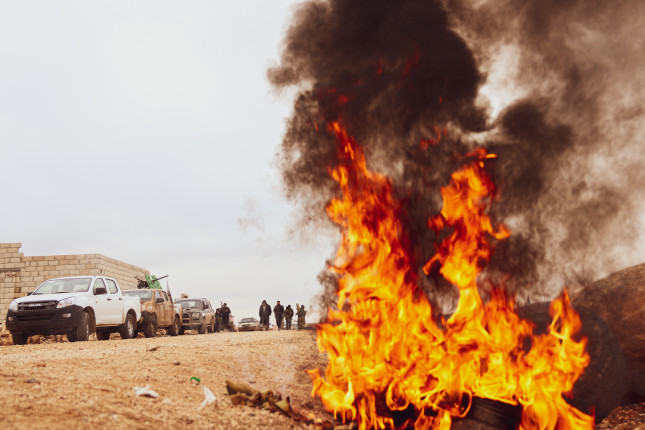
In 2001, the UN General Assembly declared November 6 the International Day for Preventing the Exploitation of the Environment in War and Armed Conflict. In the 22 years since, both the impact of the exploitation of the environment during war—and the centrality of natural resources in establishing peace—have gained greater global recognition.
-
Introducing “The Arc”
› On today’s episode of New Security Broadcast, ECSP is launching a new series called The Arc, focused on the connections between climate change, equity, justice, and identity. We will cover a wide range of topics – from food and water systems to the energy transition, migration, and climate finance – and talk with practitioners, advocates, professors, and community leaders to discover where these topics intersect with issues related to climate impacts and justice.
-
The State of Play for Critical Mineral Policies: A Berlin Climate Security Conference Roundtable
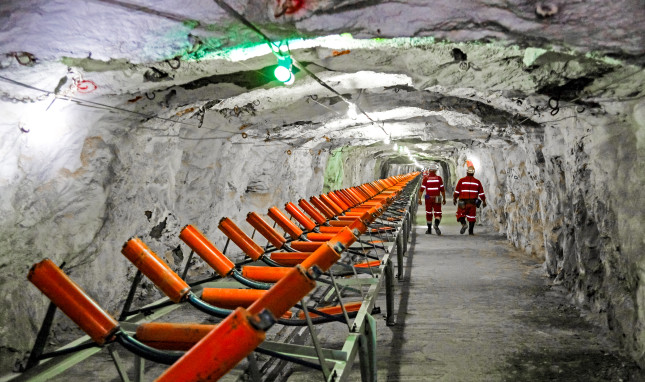
›The global transition to low-carbon energy is spurring new momentum to produce and secure the mineral inputs necessary for renewable technologies. Yet meeting demand may prove difficult. From electric cars to wind turbines, essential renewable energy technologies often require more minerals than fossil fuel-powered infrastructure. The International Energy Agency (IEA) projects that efforts to meet the goals of the Paris Agreement could lead to a fourfold increase in mineral demand by 2040.
-
ECSP Weekly Watch | October 16 – 20
›A window into what we are reading at the Wilson Center’s Environmental Change and Security ProgramWater Security Concerns in Gaza
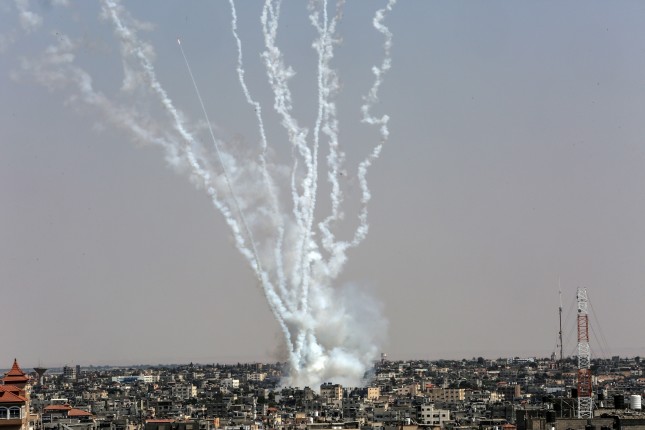
Hamas’ surprise attack on Israel on October 7th led the Israeli government to cut off water supplies to the Gaza Strip with immediate effect. This has resulted in a clean water crisis that the UN warns is now a matter of life and death.
-
ECSP Weekly Watch | October 9 – 13
›A window into what we are reading at the Wilson Center’s Environmental Change and Security Program
Organizing Regional Action on Climate Change, Health, and Environment
As the 2030 deadline for the Sustainable Development Goals looms, the World Health Organization has proposed a new regional framework that aims to build climate-resilient and sustainable health systems, improve the health sector’s access to climate funding, and build an evidence base for policymaking.
-
A Reminder from Israel and Gaza on the Importance and Limitations of Environmental Peacebuilding
›I flew into Tel Aviv last Friday afternoon, primed for a week of meetings with Israeli and Palestinian environmentalists and officials. By sounding out these men and women in Jerusalem, the West Bank, and other parts of the region, I hoped to expand on past explorations of their transboundary cooperation, widely recognized as a model for environmental peacebuilding. Through an articulation of the successes that they––and their Jordanian peers–have had in bolstering water access, renewable energy, and environmental protection across their shared natural landscape, I was looking forward to telling a positive environmental conflict story—particularly one in a place that is often bereft of good news.
Showing posts from category environmental peacemaking.
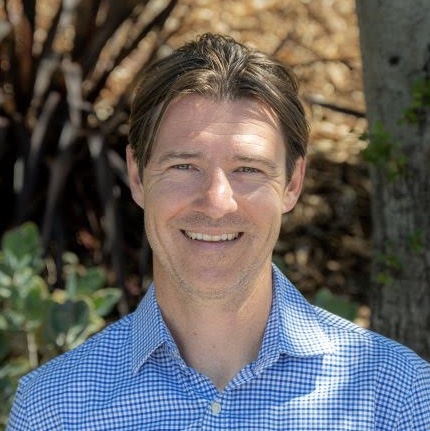 In a new mini-series previewing the upcoming UN Climate Summit (COP28)’s new focus on relief, recovery, & peace, ECSP Program Director Lauren Risi spoke with David Nicholson, Director of the Environment, Energy and Climate Change Technical Support Unit at Mercy Corps.
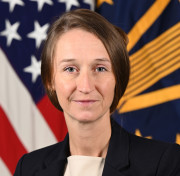 In a new mini-series previewing the upcoming UN Climate Summit (COP28)’s new focus on relief, recovery, & peace, ECSP Program Director Lauren Risi spoke with Iris Ferguson, the US Department of Defense’s Deputy Assistant Secretary of Defense for Arctic and Global Resilience.