-
Can Demographic-Environmental Stress Contribute to Mass Atrocities? And the Future of Arctic Cooperation
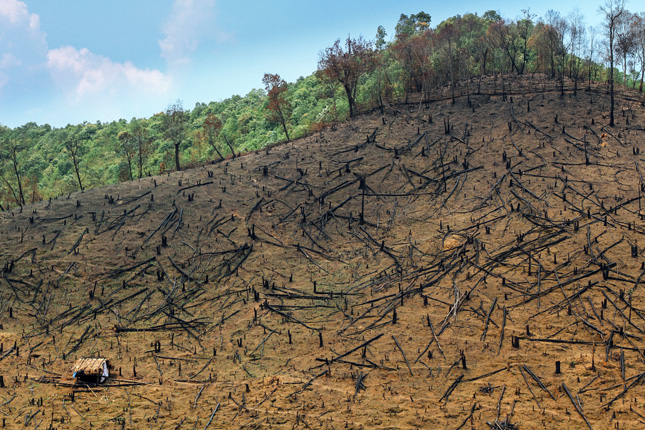
› In a brief published by the Stanley Foundation, Cullen Hendrix explores how “the degradation and overexploitation of renewable sources…and unequal access to these resources” can make societies more or less susceptible to experiencing mass atrocities. Hendrix proposes that “demographic-environmental stress” is most likely to contribute to mass atrocities (genocide, war crimes, or crimes against humanity) in agricultural societies that have a high level of group identity-driven politics and economics, exclusionary political institutions, political actors that deprive certain groups, or when governments have low legitimacy.
 -
Backdraft #5: Ken Conca on the Good, Bad, and Ugly of Water Conflict and Cooperation
›In international development, conflict is often used as shorthand for violent conflict, and avoiding conflict is considered a priority. But “it’s important to recognize that conflict is not always bad and cooperation is not always good,” says Ken Conca in this week’s episode of “Backdraft.” -
Advancing U.S. Prosperity and Security in a Thirsty World
›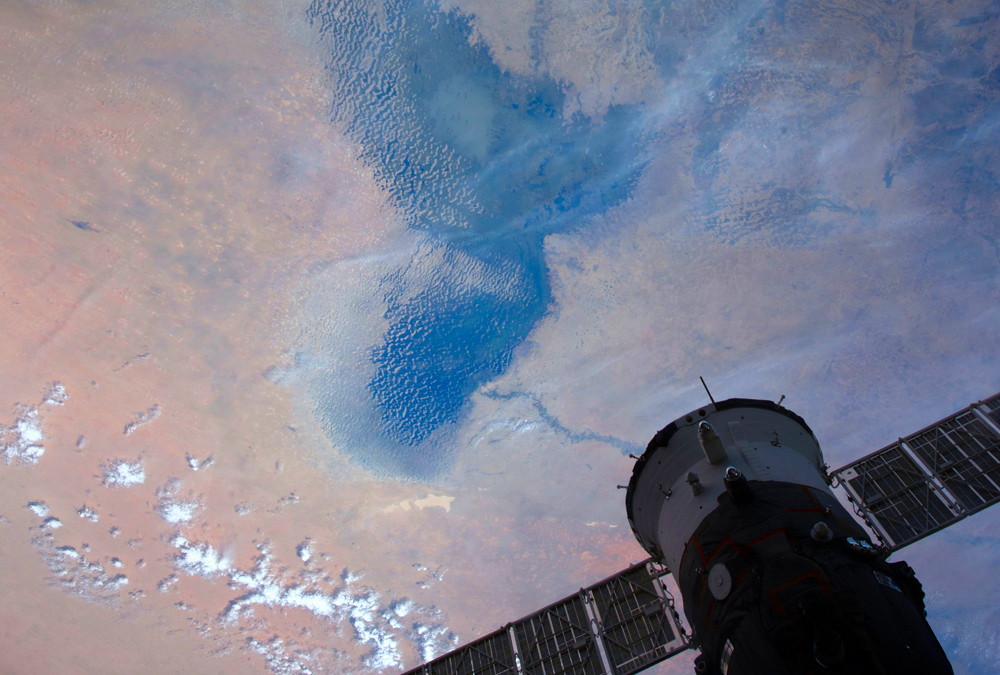
The waters of Lake Chad sustain 70 million people in four countries. Beginning in the 1970s, the 25,000-square-kilometer lake began shrinking due to excessive drawdown for agriculture and mining. Now only 10 percent remains. The dwindling water supply devastated food production and fostered massive economic and political tensions. Many experts credit the worsening conditions for contributing to the rise of Boko Haram, an extremist group that has killed 20,000 people and forced 2.3 million more to flee.
-
Afghanistan’s Water Plans Complicated by Worried Neighbors
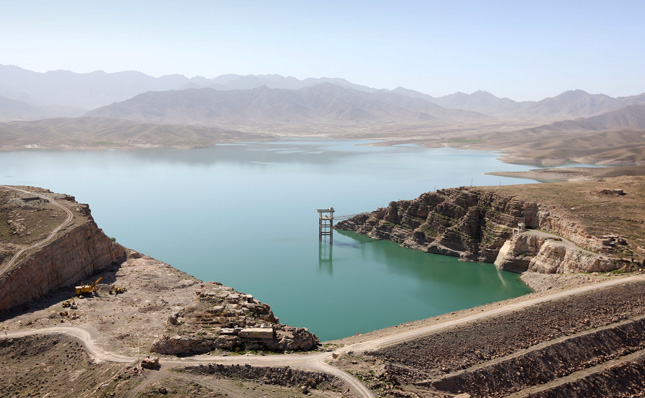
›More than 40 years ago, the Soviet Union attempted to harness hydropower to modernize Afghanistan. Between 1960 and 1968, they poured money and technical knowledge into the 100-meter Naghlu gravity dam outside Kabul and a village for its workers called Sharnak. Although the town has been damaged and the boons of modernity remain elusive for many Afghans, the dam remains a crucial source of power for the capital and is the largest power plant in the country with an installed capacity of 100 megawatts.
-
A Chronic Crisis, Now Acute: WWF’s Recommendations for the First U.S. Global Water Strategy
›The intelligence community’s landmark Global Water Security assessment in 2012, warned of major water-driven challenges to U.S. national security. The combined assessment of several intelligence agencies foresaw many challenges to U.S. policy objectives and national security arising from protracted drought, declining water quality, and more natural disasters in countries important to U.S. interests. The intelligence community further warned of rising social instability, cross-border tensions, and a steady drain of resources away from other development objectives. These warnings have proven prescient.
-
15 Years of Environmental Peacemaking: Overcoming Challenges and Identifying Opportunities for Cooperation
›As the 1990s drew to a close, there was a sense that much of the momentum gained at the first Earth Summit on sustainable development, a positive, affirming environmental narrative, was waning.
-
Pakistan’s Unheralded Fight Against Climate Change
›In recent months, the Indus Waters Treaty (IWT) has been in the headlines – and for all the wrong reasons.
-
Global Water and National Security: Why the Time Is Now
›During the 2016 campaign President Trump stated that clean water would be a top priority of his administration, telling ScienceDebate.org “it may be the most important issue we face as a nation for the next generation.” Now is the time to make good on that commitment.
Showing posts from category environmental peacemaking.
 In international development, conflict is often used as shorthand for violent conflict, and avoiding conflict is considered a priority. But “it’s important to recognize that conflict is not always bad and cooperation is not always good,” says Ken Conca in this week’s episode of “