

-
A Matter of Survival: Learning to Cooperate Over Water
›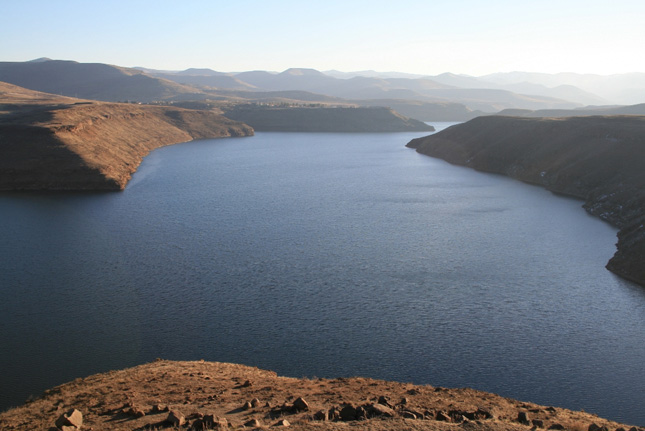
“Water security and management represent the cornerstone of global conflict prevention,” said President Danilo Türk, chair of the Global High-Level Panel on Water and Peace and former president of Slovenia, at a recent Wilson Center event on water and peace. “The only alternative to water is water, and therefore, the matter of water is a matter of survival,” said Sundeep Waslekar, president of Strategic Foresight Group.
-
An Unlikely Ambassador: Ghana Gurung on Snow Leopards and Community Resilience
› As a child growing up in Nepal’s mountainous Upper Mustang region, Ghana Gurung understood that his survival depended on the mountains and his community. Today, as senior conservation program director at World Wildlife Fund-Nepal, he works to protect the endangered and elusive snow leopard by improving local communities’ livelihoods and the mountains’ ecosystem.
 -
From Disaster Risk Reduction to Sustainable Peace: Reducing Vulnerability and Preventing Conflict at the Local Level
›The summer of 2017 was a stark reminder that climate change exacerbates both the intensity and frequency of natural disasters—and that the most vulnerable people are most severely affected. A recent study shows that from 2004-2014, 58 percent of disaster deaths and 34 percent of people affected by disasters were in the most fragile countries, as measured by the Fragile States Index. Disasters in these countries receive considerably less media coverage than the recent hurricanes that hit the United States. This lack of attention also leads many policymakers to overlook a possible opportunity: By working together to reduce fragility and vulnerability, could we not only better prepare for disaster, but also help prevent conflict? We have the policy tools to take an integrated approach to climate, conflict, and disaster—but we need the political will to use them.
-
Crisis in Lake Chad: Tackling Climate-Fragility Risks
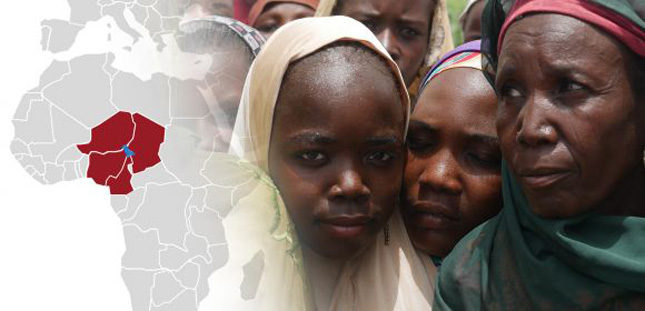
›While attention in the United States is focused on the disasters in Puerto Rico and the Caribbean, a crisis across the Atlantic is rapidly becoming one of the worst humanitarian disasters since World War II. In the Lake Chad basin of West Africa, about 17 million people are affected by the emergency, struggling with food insecurity, widespread violence, involuntary displacement, and the consequences of environmental degradation. An estimated 800,000 children suffer from acute malnutrition; and although international donors pledged $672 million in February, the famine and humanitarian misery continues unabated. Suicide bombings and attacks by Boko Haram, which have killed at least 381 civilians since April 2017, have forced many people to leave their homes and farmers to leave their lands, interrupting livelihoods and reducing food supplies.
-
The UN Wants to Respond to Climate Change and Prevent Conflict, But When?
›A slightly modified version of this article originally appeared on the Resilience Compass.
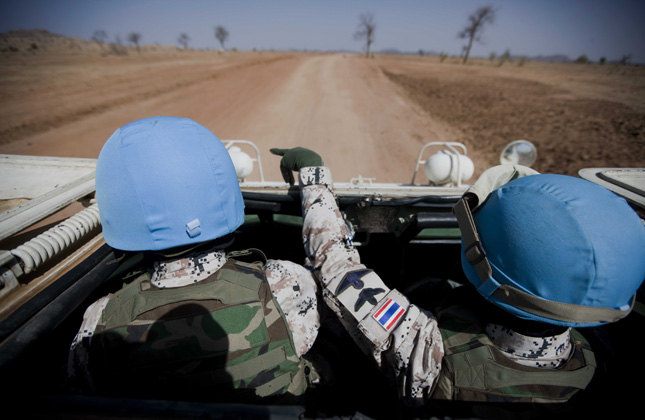
Climate change, civil conflict, and violent extremism are among the most significant threats to human development, peace, and security around the globe. Addressing all three requires immediate action by the United Nations to prevent future crises, yet crucial investments may not yield tangible results for years to come—well beyond democratic term limits.
-
Lessons From International Water Sharing Agreements for Dealing With Climate Change
›Scientists agree that many countries in tropical, subtropical, and arid regions should expect changes to water availability and supply from climate change. The U.S. intelligence community has likewise warned of water-driven challenges not only for countries directly affected by water changes, but indirectly to various U.S. national security interests. Perhaps not surprisingly then, the popular literature has been quite clear about prophesizing wars over water.
-
Water Security and U.S. Foreign Policy in India, Pakistan, and the Philippines
›In 2012, the U.S. National Intelligence Council judged that within the next 10 years, water problems would be a major contributor to instability in “many” countries that are of interest to the United States. South and Southeast Asia, with its many transboundary river basins, large populations, and geopolitical flashpoints, is one among a number of hotspots where such instability could occur.
-
Michael Kugelman on Pakistan’s “Nightmare” Water Scenario
›“Water scarcity is a nightmare scenario that is all too real and all but inevitable in Pakistan,” says Michael Kugelman, deputy director of the Wilson Center’s Asia Program, in this week’s podcast.
Showing posts from category environmental peacemaking.
 As a child growing up in Nepal’s mountainous Upper Mustang region, Ghana Gurung understood that his survival depended on the mountains and his community. Today, as senior conservation program director at World Wildlife Fund-Nepal, he works to protect the endangered and elusive snow leopard by improving local communities’ livelihoods and the mountains’ ecosystem.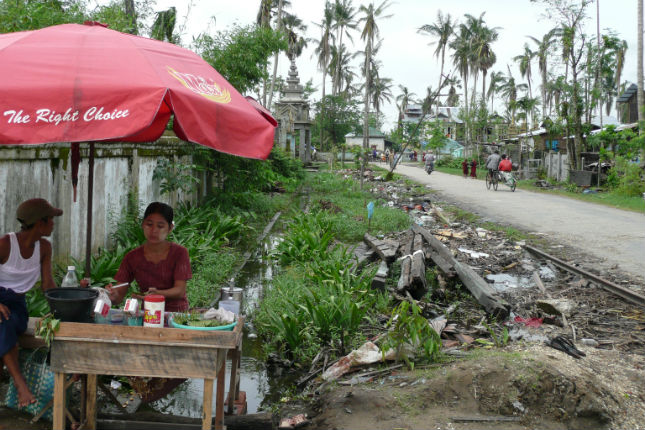
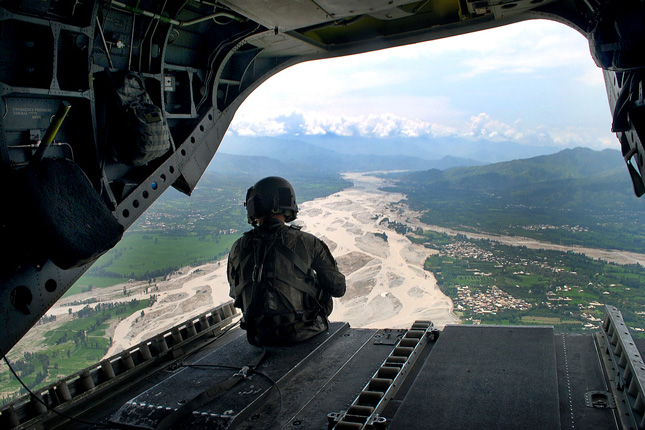
 “Water scarcity is a nightmare scenario that is all too real and all but inevitable in Pakistan,” says Michael Kugelman, deputy director of the Wilson Center’s Asia Program, in this week’s podcast.

