-
A Paradigm for Peace: Celebrating “Environmental Peacemaking”
›March 20, 2018 // By Wilson Center Staff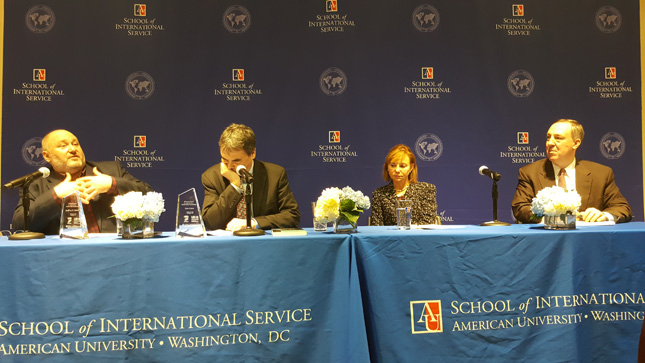
“Most fundamentally, we turned the ‘resource scarcity drives conflict’ argument on its head and asked, ‘Can environmental interdependence drive cooperation in ways that can be harnessed to build trust and contribute to conflict prevention and peacebuilding?’” said Geoff Dabelko, Associate Dean at Ohio University’s Voinovich School of Leadership and Public Affairs, about Environmental Peacemaking, which was one of the first books to investigate these questions. In the 15 years since he and Ken Conca, a professor at American University’s School of International Service, published their edited volume, the idea that shared environmental issues could be used to build peace has become a focus of innovative research, policy, and programs.
-
The Nuts and Bolts of a Climate-Conflict Link in East Africa
›
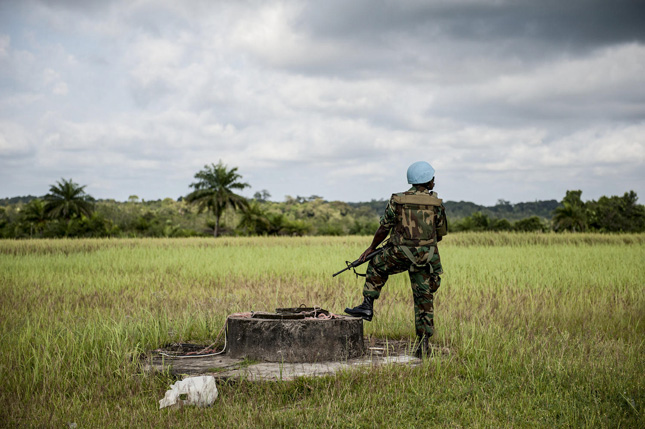
A recent article in Nature Climate Change has spurred a new chapter in the lively scholarly debate over the potential relationship between climate change and violent conflict. We agree with the article’s authors that there are several forms of sampling bias in this field, including how regions are selected for analysis. But simply addressing this sampling bias will not resolve many of the academic controversies that have raged since the mid-2000s. Our recently published study in International Studies Review examines the mechanisms connecting climate change or its consequences to violent conflict and concludes that to move this research agenda forward, researchers must pay deeper attention to the “nuts and bolts” that shape both climate-related conflicts and our understanding of them.
-
Environmental Cooperation Can Facilitate Peace Between States
›Environmental stress and climate change can accelerate instability and conflict—but shared environmental problems can also be a source of cooperation and facilitate peacemaking between states. Transnational environmental problems are common threats and often cross national boundaries, requiring international cooperation to address. In turn, this cooperation can provide a good entry point for building trust and cooperation.
-
The Role of Water Stress in Instability and Conflict
›“The demand for water will not be linear,” said Vice Admiral Lee Gunn (USN-Ret,), currently vice chairman of the CNA Military Advisory Board, at a recent Wilson Center event on water and security. As people’s quality of life improves, “the demand for water will increase as well. And so the stresses that we already see around the world—the arguments over basin rights for water, the depletion of water in major cities around the world—we think will aggravate problems that already are beginning to manifest themselves,” he said.
-
On Streetlights and Stereotypes: Selection Bias in the Climate-Conflict Literature
›Scholarly attention to the links between climate change and conflict has increased. But which places are analyzed most frequently by researchers, and what are the implications of their choices?
-
A Matter of Survival: Learning to Cooperate Over Water
›“Water security and management represent the cornerstone of global conflict prevention,” said President Danilo Türk, chair of the Global High-Level Panel on Water and Peace and former president of Slovenia, at a recent Wilson Center event on water and peace. “The only alternative to water is water, and therefore, the matter of water is a matter of survival,” said Sundeep Waslekar, president of Strategic Foresight Group.
-
An Unlikely Ambassador: Ghana Gurung on Snow Leopards and Community Resilience
›As a child growing up in Nepal’s mountainous Upper Mustang region, Ghana Gurung understood that his survival depended on the mountains and his community. Today, as senior conservation program director at World Wildlife Fund-Nepal, he works to protect the endangered and elusive snow leopard by improving local communities’ livelihoods and the mountains’ ecosystem. -
From Disaster Risk Reduction to Sustainable Peace: Reducing Vulnerability and Preventing Conflict at the Local Level
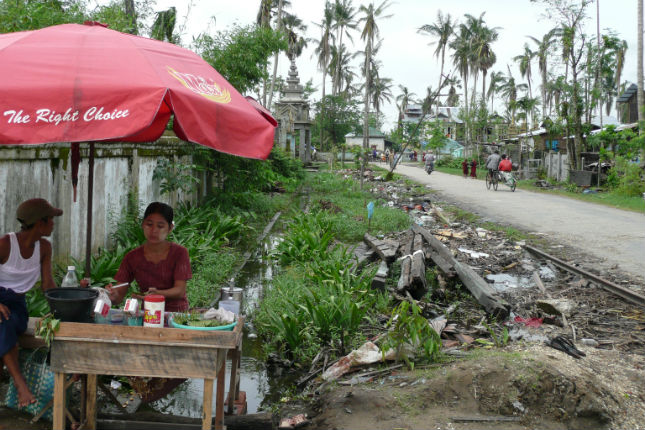
›The summer of 2017 was a stark reminder that climate change exacerbates both the intensity and frequency of natural disasters—and that the most vulnerable people are most severely affected. A recent study shows that from 2004-2014, 58 percent of disaster deaths and 34 percent of people affected by disasters were in the most fragile countries, as measured by the Fragile States Index. Disasters in these countries receive considerably less media coverage than the recent hurricanes that hit the United States. This lack of attention also leads many policymakers to overlook a possible opportunity: By working together to reduce fragility and vulnerability, could we not only better prepare for disaster, but also help prevent conflict? We have the policy tools to take an integrated approach to climate, conflict, and disaster—but we need the political will to use them.
Showing posts from category environmental peacemaking.
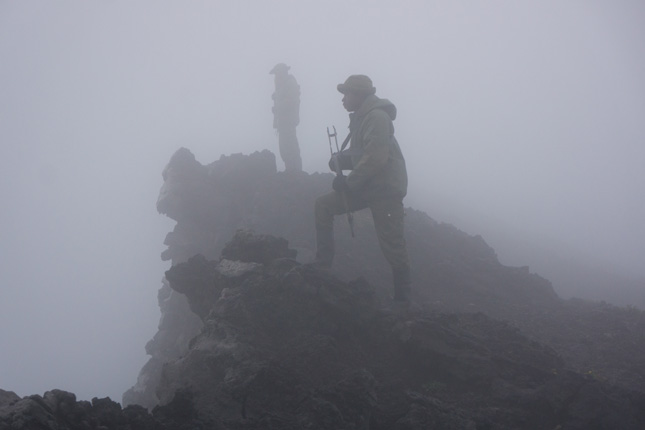
 As a child growing up in Nepal’s mountainous Upper Mustang region, Ghana Gurung understood that his survival depended on the mountains and his community. Today, as senior conservation program director at World Wildlife Fund-Nepal, he works to protect the endangered and elusive snow leopard by improving local communities’ livelihoods and the mountains’ ecosystem.