-
Resource Nexus Approaches Can Inform Policy Choices
›Guest Contributor // January 8, 2019 // By Stacy D. VanDeveer, Raimund Bleischwitz & Catalina Spataru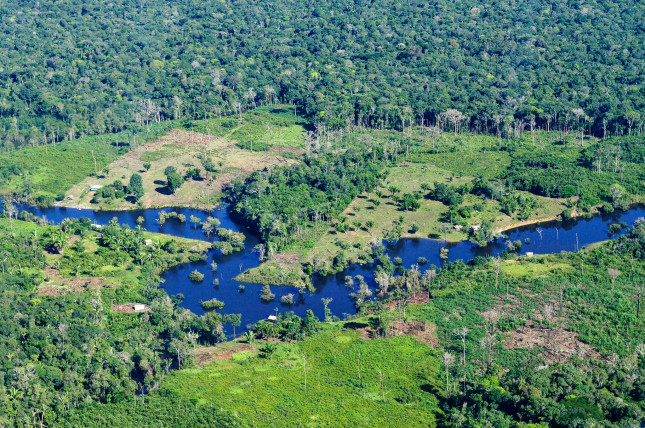
The unabated growth of natural resource consumption raises risks that we will outstrip the capacities of ecosystems and governance institutions. At the same time, to achieve important global goals related to poverty alleviation, public health, equity and economic development such as those embodied in the United Nations Sustainable Development Goals (SDGs), we will simultaneously need more resources and better management of natural resources everywhere.
-
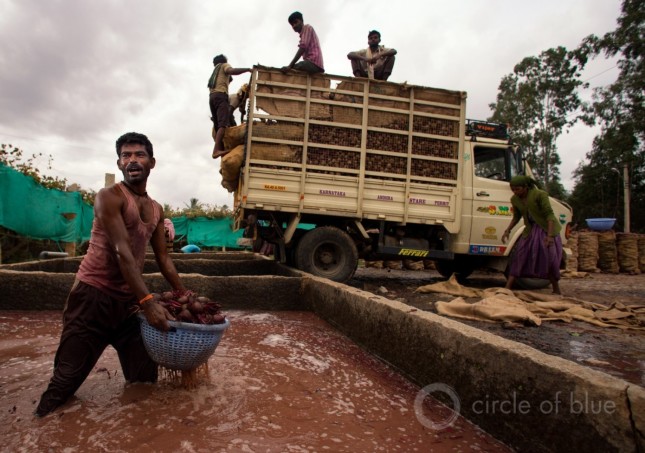
Toxic Water, Toxic Crops: India’s Public Health Time Bomb
›China Environment Forum // Choke Point // January 3, 2019 // By Jennifer Möller-Gulland, J. Carl Ganter & Cody T. Pope
BENGALURU, India – In a small town in the suburbs of this booming city, K.V. Muniraju knows all too well the decade-old battle of securing water for his crops. With groundwater tables continuously falling, the middle-aged farmer once borrowed heavily to dig wells ever deeper.
-
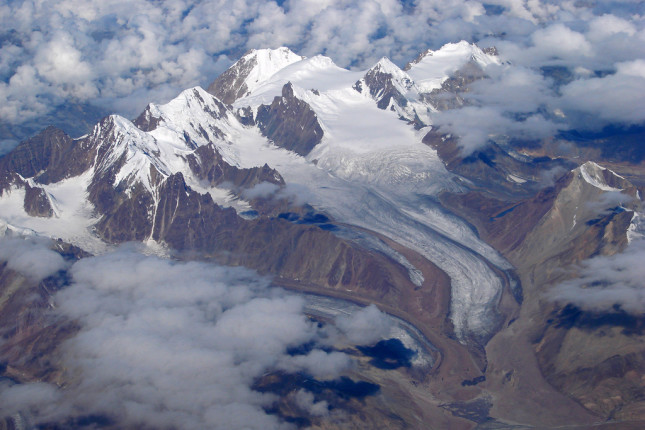
Snow and Ice Melt Patterns Help Predict Water Supply for Major Asian River Basins
›“For the longest time we thought that water was forever renewable and that it would always be there,” said Gloria Steele, Acting Assistant Administrator for Asia with USAID, at a recent Wilson Center event on water security in High Asia. “We now know that is not the case, and we need to protect it and manage it effectively.”
-
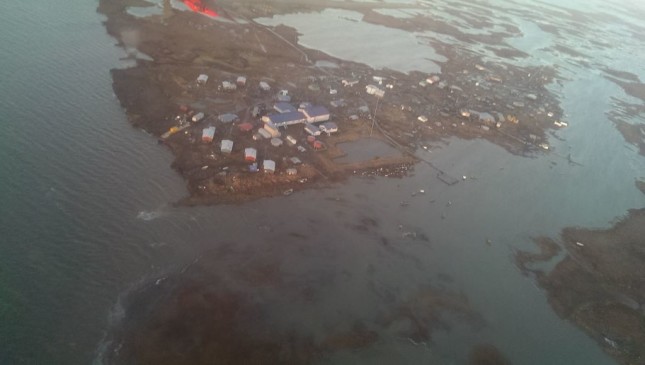
50 Years of Water at Wilson: Rising New Ocean, Endangered Villages, Plastic Pollution (Part 2 of 2)
›In the Arctic, “a new ocean has emerged and we have to deal with it,” said Mike Sfraga, Director of the Wilson Center’s Global Risk & Resilience Program and Polar Institute at a recent water event celebrating the Wilson Center’s 50th anniversary.
-
50 Years of Water at Wilson: Water, Conflict, and Cooperation (Part 1 of 2)
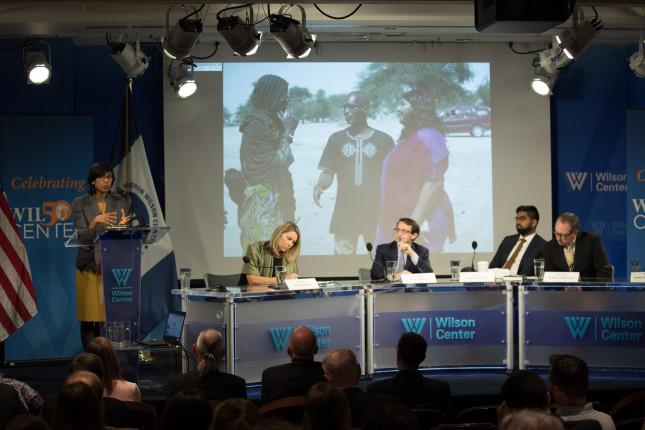
›A number of countries across North Africa, the Middle East, into Central and South Asia are “at risk of failure if they can’t get the water equation right,” said Aaron Salzberg of the U.S. Department of State, at a recent Wilson Center event celebrating 50 years of working on water’s connection to conflict and cooperation. The event brought together experts from government, NGOs, and academia for a comprehensive look at the first year of the U.S. Global Water Strategy and new research and practice on water, peace, and conflict. Either now or sometime in the near future, said Salzberg, if fundamentally water insecure countries lacking access to sustainable supplies of safe drinking water and basic sanitation do not address their water problems, they will face increased risk of failure and greater fragility.
-
Planning for the Public Health Effects of Climate Migration
›In Alaska’s arctic communities, Inuit contemplating the need to relocate have reported that the loss of sea ice would make them feel like they are lost or going crazy. Zika and other vector-borne diseases have been a concern primarily for people in the southeastern United States. Recent research on the long-range internal migration of people from the coasts to the interior suggests a broader national concern regarding “climate augmentation” of disease. These are just two examples of the many public health effects we can expect as climate change forces people to uproot themselves.
-
Sandra Ruckstuhl on Capturing Practical Lessons on Water, Conflict, and Cooperation
›Friday Podcasts // Water Stories (Podcast Series) // December 14, 2018 // By Kathryn Gardner & Truett SparkmanWe realized “there was a need for a toolkit on water,” says Sandra Ruckstuhl in this week’s Water Stories podcast, “with a focus of conflict and conflict mitigation, but also peacebuilding.” Ruckstuhl, a consultant for the World Bank who has researched water programs in Yemen and the Middle East, helped the Wilson Center produce USAID’s Water and Conflict toolkit, which documents examples of successful development interventions focused on water and peacebuilding. -
More than Just a BRI Greenwash: Green Bonds Pushing Climate-Friendly Investment
›From the cultural hub of Lahore down to the bustling ports of Karachi, smog is king in Pakistan, with citizens enduring unhealthy air quality for much of the year. The smog, generated mostly by crop and garbage burning and diesel emissions from furnaces and cars, could get worse by the end of this year when Pakistan opens five new Chinese-built coal power plants, funded by a $6.8 billion venture under the China-Pakistan Economic Corridor (CPEC) initiative. These five plants are just the beginning of the Pakistan government’s planned 7,560 MW expansion in coal power, which are CPEC-energy priority projects. “It’s a perfect storm for a pollution crisis,” said Michael Kugelman of the Wilson Center’s Asia Program. “The poor will continue to burn a variety of polluting materials to produce fuel, and now you’re also going to be introducing dirty coal into the mix. Combine that with crop burning in the countrywide and car exhaust fumes in rapidly growing cities, and you’ve got a really smoggy mess on your hands—and in your lungs.”
Showing posts from category environment.
 We realized “there was a need for a toolkit on water,” says Sandra Ruckstuhl in this week’s Water Stories podcast, “with a focus of conflict and conflict mitigation, but also peacebuilding.” Ruckstuhl, a consultant for the World Bank who has researched water programs in