-
Concerns Rise Over Governance Gap in Arctic
›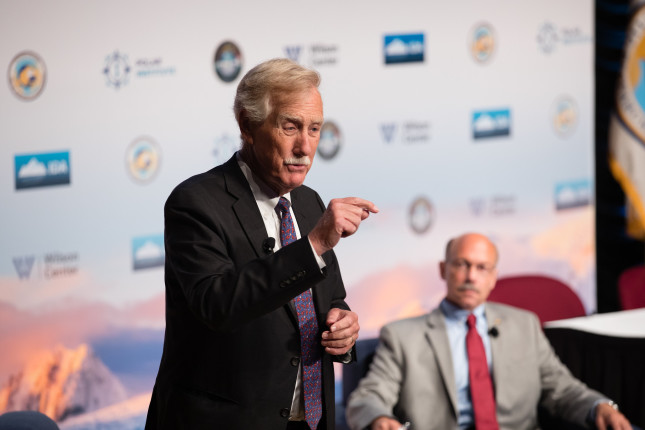
“We’re attempting to do something that’s never been done before in world history,” said Senator Angus King (I-ME). “The peaceful development of a major new physical asset.” He spoke of the Arctic Ocean at the 8th Symposium on the Impacts of an Ice-Diminishing Arctic on Naval and Maritime Operations. The symposium was hosted by the Wilson Center’s Polar Institute, in partnership with the U.S. Arctic Research Commission, U.S. National Ice Center, Arctic Domain Awareness Center, Patuxent Partnership, St. Mary’s College of Maryland, and the Ronald Reagan Building and International Trade Center.
-
Erika Weinthal on the Weaponization of Water in Conflict Settings
› “When you’re in a post-conflict phase, it means we really should be moving away from humanitarian assistance into development because we’ve moved along the conflict spectrum toward peace and development,” says Erika Weinthal, the Lee Hill Snowdon Professor of Environmental Policy at Duke University, in this week’s Water Stories podcast.
 -
Nile River Water Supply Forecasts May Reduce the Chance of Conflict
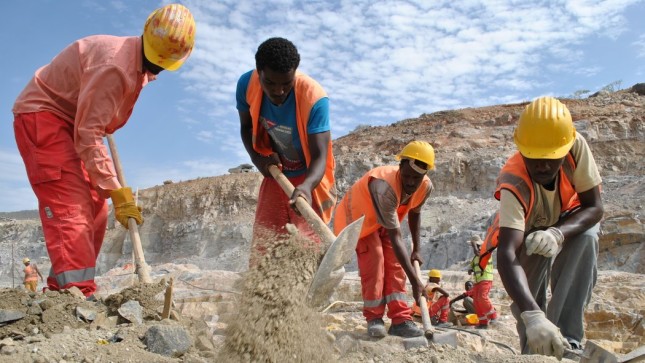
›Rising tensions between Egypt and Ethiopia over construction of the Grand Ethiopian Renaissance Dam (GERD) have led to speculation that there could be a war over water. When completed, the dam will be the largest in Africa. And it will give Ethiopia control over the Blue Nile River, a major source of Egypt’s water.
-
Lost in Translation: How Building “Strong” Institutions can Diminish Human Security in the Global South
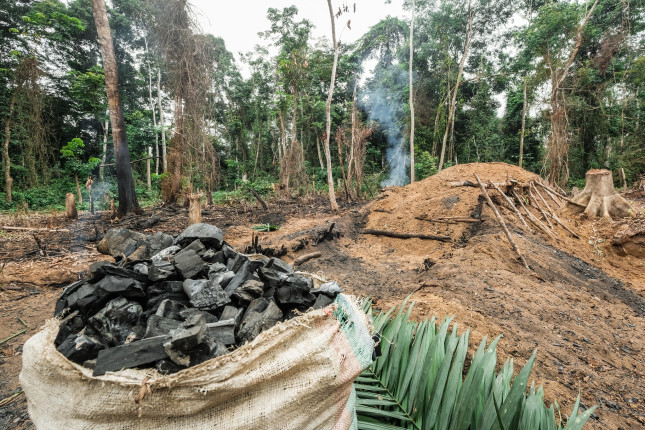
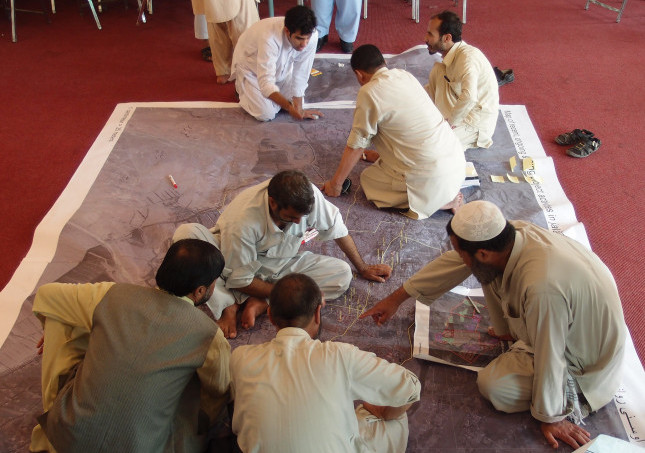
›In the Global South, natural resource conflict has largely been considered a consequence of poor governance and weak political institutions. The international community’s solution? Build “green” governance capacity as a way to mitigate violent conflict and improve environmental outcomes. For the international development community, this has meant introducing laws, policies, and practices based on international standards of best practice, and training local regulators to adhere to those standards.
-
Removing Barriers to Family Planning Essential for Conservation, Groups Agree
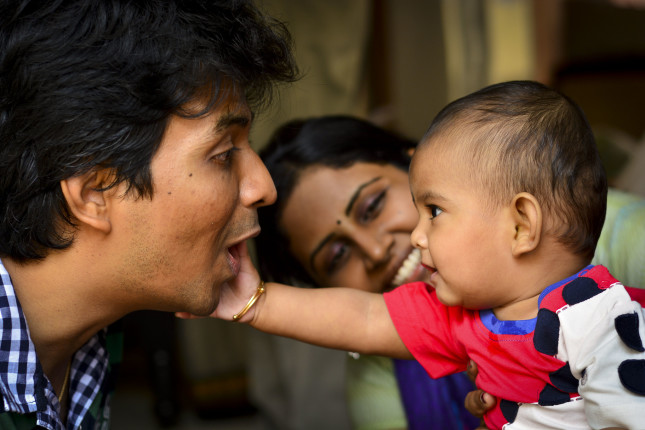
›The voluntary use of family planning, among its many benefits, is good for sustaining the healthy ecosystems that support all wild plant and animal species. This should be common sense. If your mission is environmental conservation, you should want to help remove barriers to reproductive health services, so that all women can space wanted pregnancies and avoid unintended ones.
-
When Climate Change Meets Positive Peace
›Climate change is being increasingly framed as a security issue—a “threat multiplier” that can amplify the risks of breakdowns in peacefulness. Yet, even extreme climate hazards do not always lead to higher levels of violence.
-
High Seas Biodiversity Treaty Would Prioritize Conservation
›Roughly 20 organizations wield some management authority in the high seas, but none of them have conservation as their core mandate, said Liz Karan, Senior Manager of the Protecting Ocean Life on the High Sea Campaign at the Pew Charitable Trusts. She spoke at a recent Wilson Center event hosted by the Polar Institute and Environmental Change and Security Program. The discussion revolved around aspects of a proposed global treaty on conservation and sustainable use of biodiversity in areas beyond the jurisdiction of any country. “The high seas treaty comes in as an opportunity to put conservation at the focus of the discussion of how we manage the high seas,” said Karan.
-
How Protecting the Antarctic Marine Life Could Help Save the Blue Planet
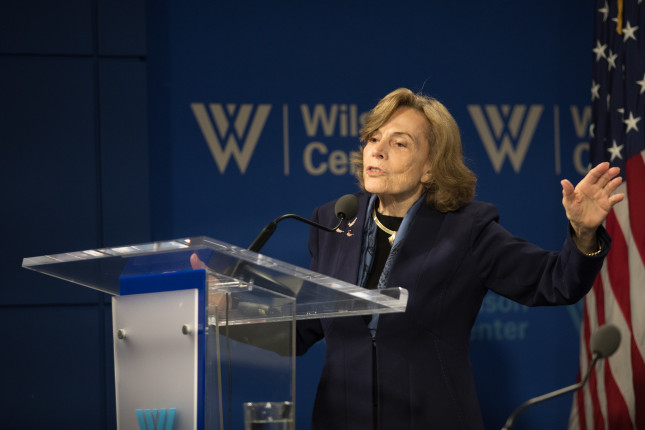
›“We are stripping the life away from the blue planet,” said oceanographer, explorer, and author, Sylvia A. Earle. She keynoted a recent event on marine protected areas in Antarctica and the high seas co-hosted by the Wilson Center and The Pew Charitable Trusts with support from the Prince Albert II of Monaco Foundation. “Do we want a planet like Mars?” she said. “Most people would say, ‘I don’t think so. I like to breathe. I like water that falls magically out of the sky. I like having a living planet.’”
Showing posts from category environment.
 “When you’re in a post-conflict phase, it means we really should be moving away from humanitarian assistance into development because we’ve moved along the conflict spectrum toward peace and development,” says Erika Weinthal, the Lee Hill Snowdon Professor of Environmental Policy at Duke University, in this week’s Water Stories podcast.