-
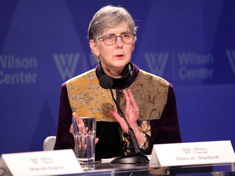
Ellen Starbird: Sexual and Reproductive Health and Rights Undergird Success of SDGs
›
“Advancing reproductive health and family planning can positively influence and advance a number of sustainable development priorities,” says Director of USAID’s Office of Population and Reproductive Health Ellen Starbird in this week’s podcast.
-
SAM EATON, PRI’S THE WORLD
In Malawi, Attitudes Toward Family Planning Shift After Flooding, Hunger
›March 18, 2015 // By Wilson Center Staff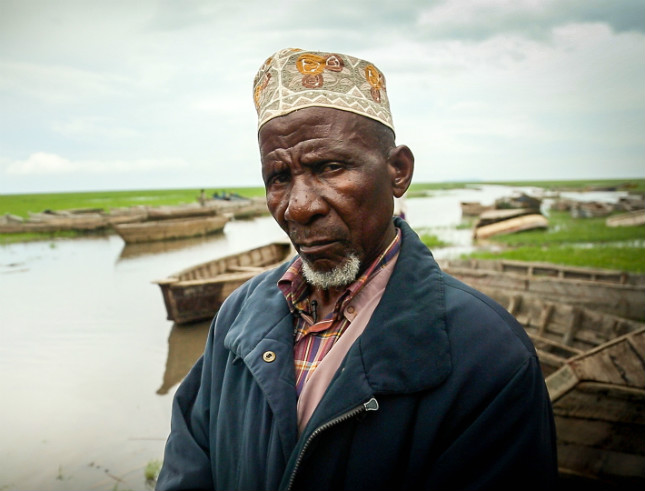
For two villages in southern Malawi, climate change and contraception have become intertwined. So much so, that long-held cultural assumptions are starting to change.
-
The Future of Political Demography and Its Impact on Policy
›March 9, 2015 // By Schuyler Null“Political demography is a discipline whose time has come,” said Rob Odell of the National Intelligence Council at a gathering of demographers and researchers in New Orleans. “You can sense this inherent dissatisfaction” with a lot of analytical and predictive tools in international relations, he said, and “political demography provides policymakers a way to think about long-term trends.”
-
Efforts to Build Resilience in Sahel Focus on Food, Climate, Population Dynamics
›The Sahel – spreading from the Red Sea to the Atlantic as the Sahara Desert transitions to Sudanian savanna – is drought prone and suffers from chronic food insecurity. Yet, the region also boasts the highest fertility rates in the world, and the highest rates of marriage for young girls. This creates unique vulnerabilities that are being compounded by climate change, says ECSP’s Roger-Mark De Souza in an episode of Wilson Center NOW.
-
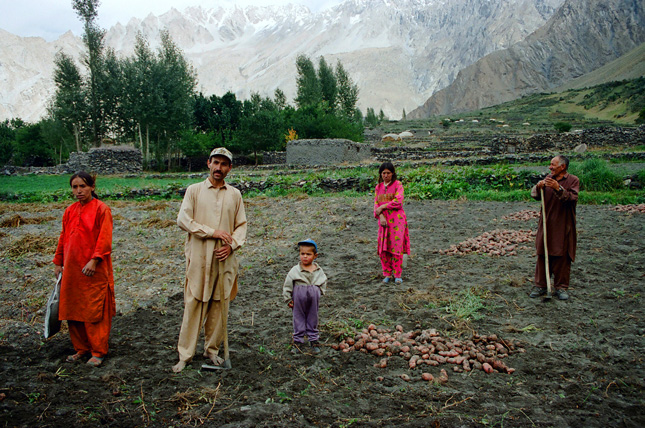
The Case for Better Aid to Pakistan: Climate, Health, Demographic Challenges Demand New Approach
›March 2, 2015 // By Kate DiamondIn 2009, the U.S. Congress passed a five-year, $7.5 billion aid package for a country it had all but abandoned just 10 years earlier. Indeed, if one word can summarize the U.S. relationship with Pakistan, “volatile” might be it. Since the September 11 attacks, the U.S. has appropriated nearly $61 billion in aid to Pakistan – more than twice what it received since independence in 1947.
-
Combination of Climate Change and Youth Puts Some Countries at Risk of Fragility
›Climate change and youthful demographics can combine to create security risks in already fragile contexts, according to a new report commissioned by UNICEF UK and co-authored by the London-based research organizations International Alert and the International Institute for Strategic Studies.
-
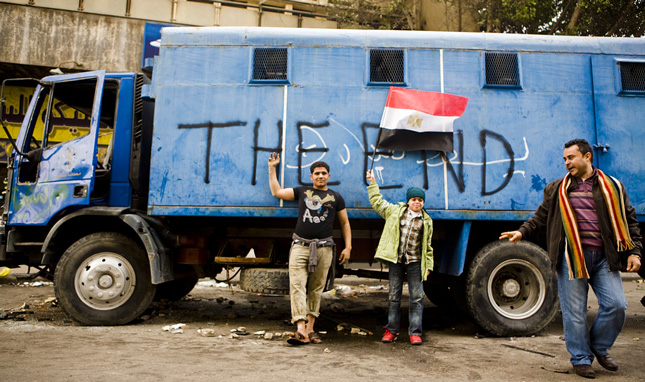
Youth Bulge, Exclusionary Regimes, and the Islamic State’s Big Mistake
›Last week, the Islamic State’s ignorance of the role of demography in their local success may have led them to overplay their hand. Seeking to dissuade Jordanians from following their government in actively supporting the alliance arrayed against them, they executed a captured Jordanian pilot in horrendous fashion, burning him alive. Yet Jordan is not like Syria or Iraq, where violence against westerners or Shi’a or other minorities has helped split people from their allegiance to the government. Instead, this act of violence seems to have unified Jordan’s Sunnis against the Islamic State for their actions against a fellow Sunni Muslim. Jordan has expanded its assault, striking dozens of targets in Iraq for the first time.
-
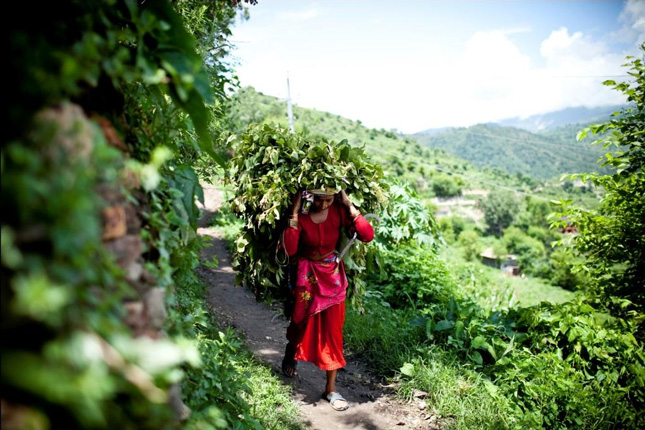
Integrated Development, Focus on Empowerment Builds Resilience in Nepal
›From the mountains and foothills of the Himalayas to the Terai plains, climate change is rapidly changing life in Nepal. Many communities however, are not strangers to environmental stress; for decades, rapid population growth alongside agriculture and fuelwood collection have degraded land and diminished forests. [Video Below]
Showing posts from category education.