-
A Nuclear Deal Could Help Iran Harness a Youthful Labor Force
›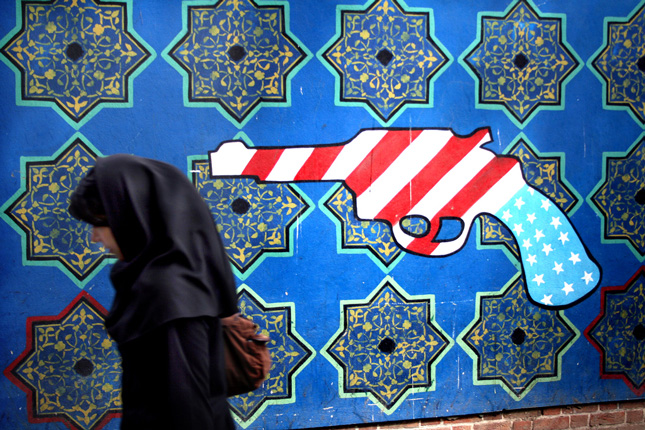
Iran is poised to reap a vast “demographic dividend” if the appropriate national and international policies are adopted, including a nuclear deal with the P5+1 (five permanent members of the UN Security Council, plus Germany).
-
From One Generation to the Next: New Wilson Center Film Explores Integrated Development in Ethiopia
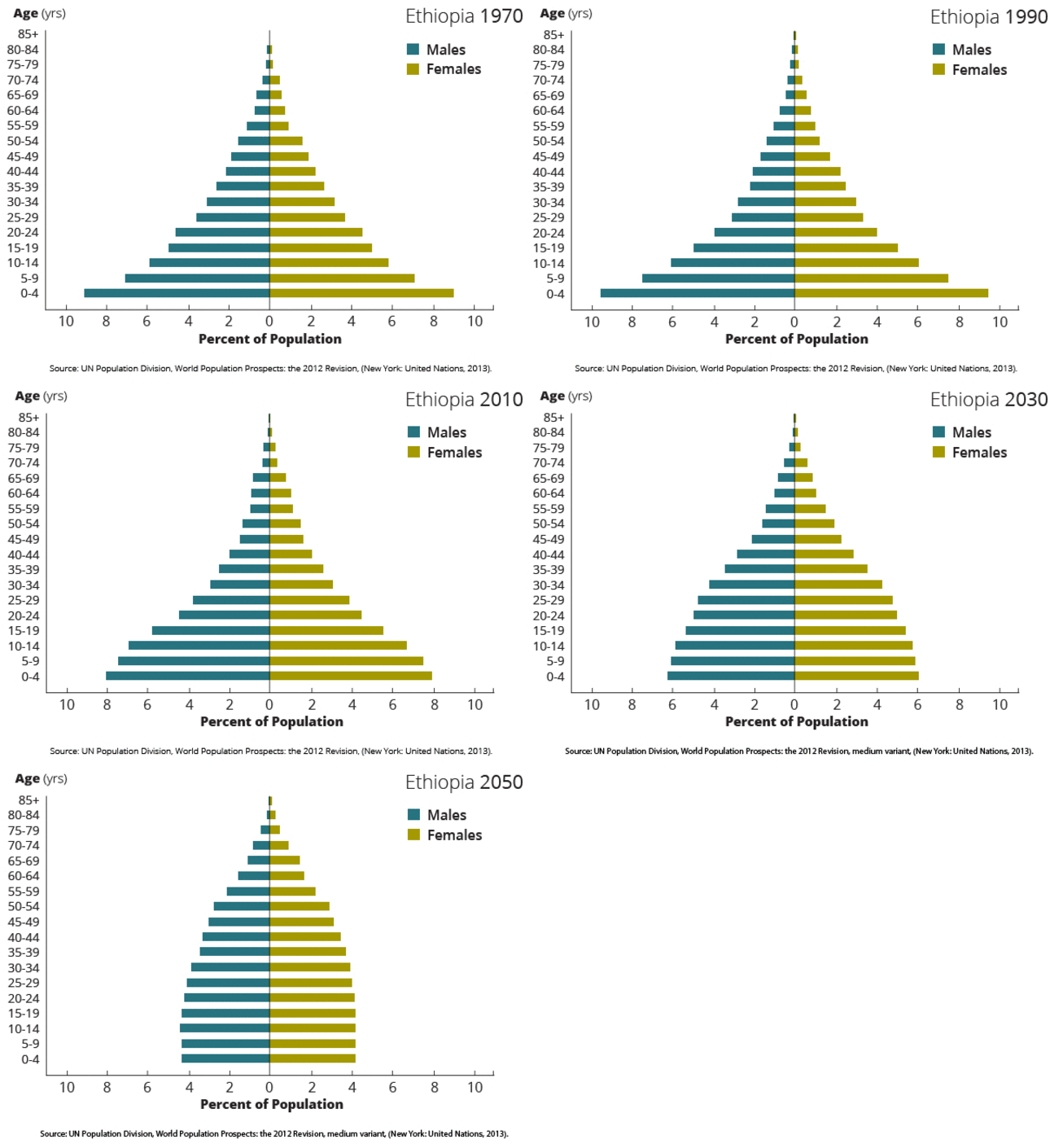
›June 17, 2015 // By Sean PeoplesOn a warm January afternoon, Tesema Merga, a village elder in Endibir, Ethiopia, surveyed the latest improvements to the long dirt road just outside his house. Eventually this road will be paved, which will bring significant changes to the community.
-
Adapting to Global Change: Climate Displacement, Mega-Disasters, and the Next Generation of Leaders
›
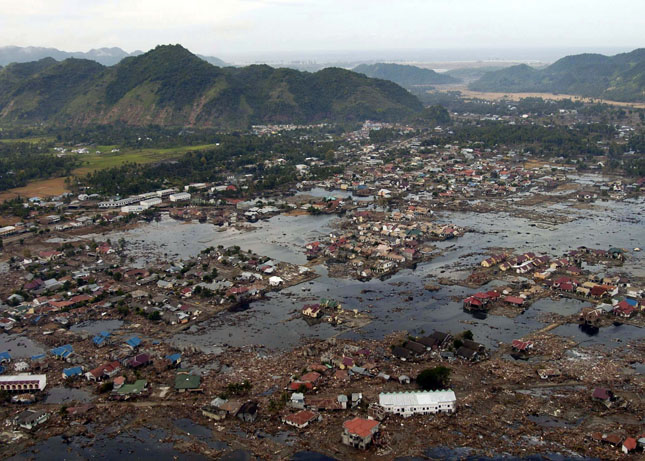
The world is more connected than ever before, but also more complex. Big, transnational trends like climate change, urbanization, and migration are changing the calculus of geopolitics, while local-level inequalities persist. “[Change] seems to be spinning around us so fast,” said John Hempelmann, president of the Henry M. Jackson Foundation, which honors the legacy of the late senator from Washington State. How can today’s and tomorrow’s leaders adjust to global trends? [Video Below]
-
Jack Goldstone: Preventing Violence in the Sahel Starts With More Inclusive Governance
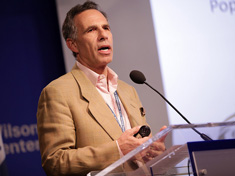
›“The Sahel faces huge problems,” says Jack Goldstone, Virginia E. and John T. Hazel professor of public policy at George Mason University and Wilson Center global fellow, in this week’s podcast. “It is facing massive population growth. It is facing environmental decay. It has a history of violent conflict.”
-
Two New Sites Help Visualize Demographic Concepts and Their Effect on Development
›A pair of recently launched data sources offers visualizations to help people understand two hot-button issues in demography: the demographic dividend and changing fertility rates.
-
How Midwives Can Answer the World’s Maternal Health Woes
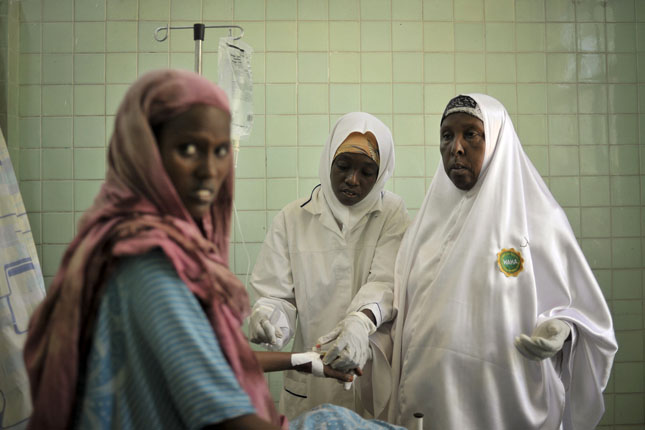
›The world is about to hit a “turning point” in maternal and newborn health, said Laura Laski, chief of the sexual and reproductive health at UNFPA, at the Wilson Center on March 23. “In terms of strengthening the new health system for achieving the MDGS or any other goals, we have to focus on the human resources for health.” In particular, midwives.
-
What’s Behind West and Central Africa’s Youthful Demographics? High Desired Family Size
›May 11, 2015 // By Elizabeth Leahy MadsenSub-Saharan Africa is often characterized as an outlier in terms of population dynamics and reproductive health. While women are having fewer children around the world, even prompting some places to begin worrying about aging populations, the demographic transition is proceeding more slowly in Africa. Fertility rates in North and Southern Africa have declined to around three children per woman, but the three other sub-regions of the continent – East, Central, and West Africa – retain much higher fertility, between five and six children per woman. Whether, and how quickly, fertility rates decline in these regions over the next few decades will in large part determine the peak of world population. These regions’ demographic trajectories also have important implications for health, governance, food security, economic development, land use, climate vulnerability, and even security.
-
Consequential Omissions: How Demography Shapes Development
›If you were on a mission to improve the plight of humankind, no less, would you care about how many people are living, where they are, and how old they are? You probably would, for it would obviously make it easier for you to estimate the challenge you face. However, the international community did not.
Showing posts from category education.