-
Roudabeh Kishi, ACLED Project
The Effect of Inequality on Conflict in Africa
›September 16, 2015 // By Wilson Center Staff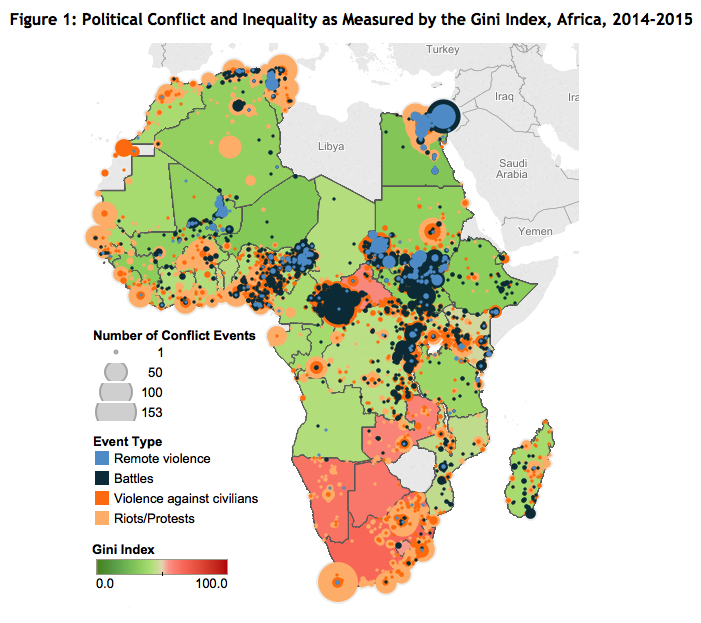
Many have noted inequality as fuel for conflict. It can serve to exacerbate grievances amongst those who have less within unequal contexts, which can in turn serve as a mobilizing factor in fueling violence. Alternatively, it can make the “prize” of conflict larger – within the most unequal societies, the poor have less to lose and more to gain.
-
Tracking the Energy Titans: Hidden Trends in the United States, China, and Canada [Infographic]
›
Back in high school physics we learned the first law of thermodynamics: Energy within a closed system must remain constant. In other words, the total amount of energy cannot increase or decrease without some sort of outside interference.
-
As Droughts, Floods, Die-Offs Proliferate, “Climate Trauma” a Growing Phenomenon
›September 9, 2015 // By Carley ChavaraAccording to recent polling, climate change is seen as the single most threatening international challenge around the world, and there’s evidence that all that worry is taking a psychological toll. Adding to droughts, floods, extreme weather, and die-offs, psychologists are observing higher levels of anxiety, depression, and post-traumatic stress disorder in certain areas and professions. Even people who do not actively stress about global warming or view it as a major threat may still suffer psychological trauma from its effects.
-
Despite Massive Conservation, Recycling, Imports, Shenzhen Faces Water Shortages
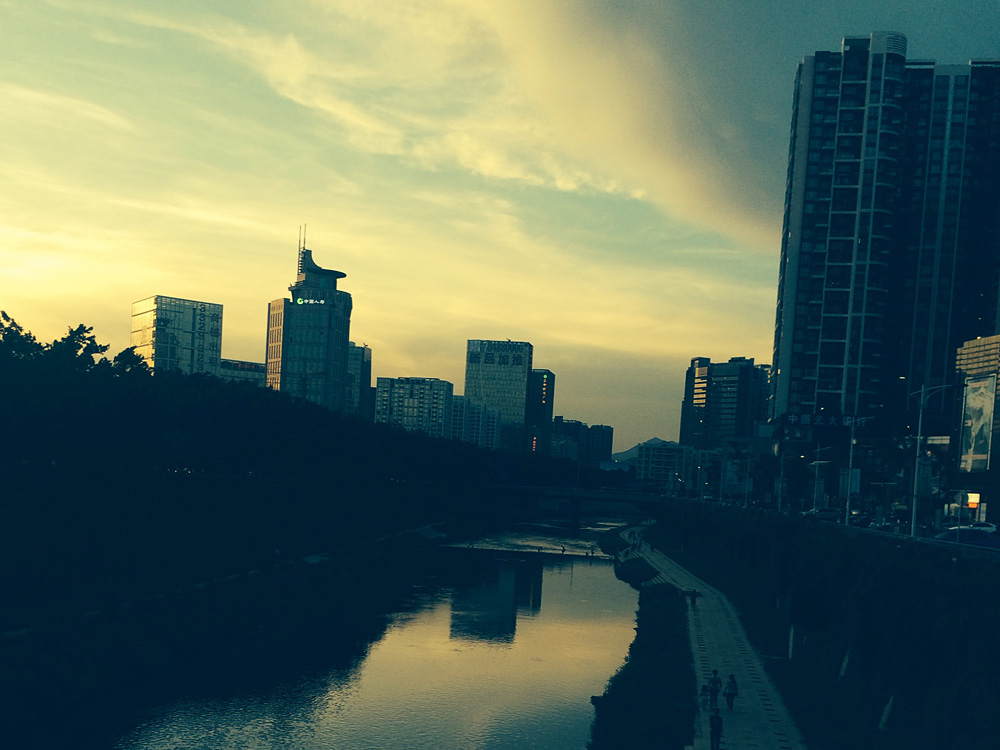
›Shenzhen sits in subtropical south China, where four-fifths of the country’s water resources flow. The monsoon brings heavy rains from April to September; at its peak, Shenzhen’s more than 7 million residents see pouring rain almost every day. So why is this city facing a serious water shortage?
-
Peace Park Expedition to Balkans Reveals Tensions Over Development, Rule of Law for New Governments
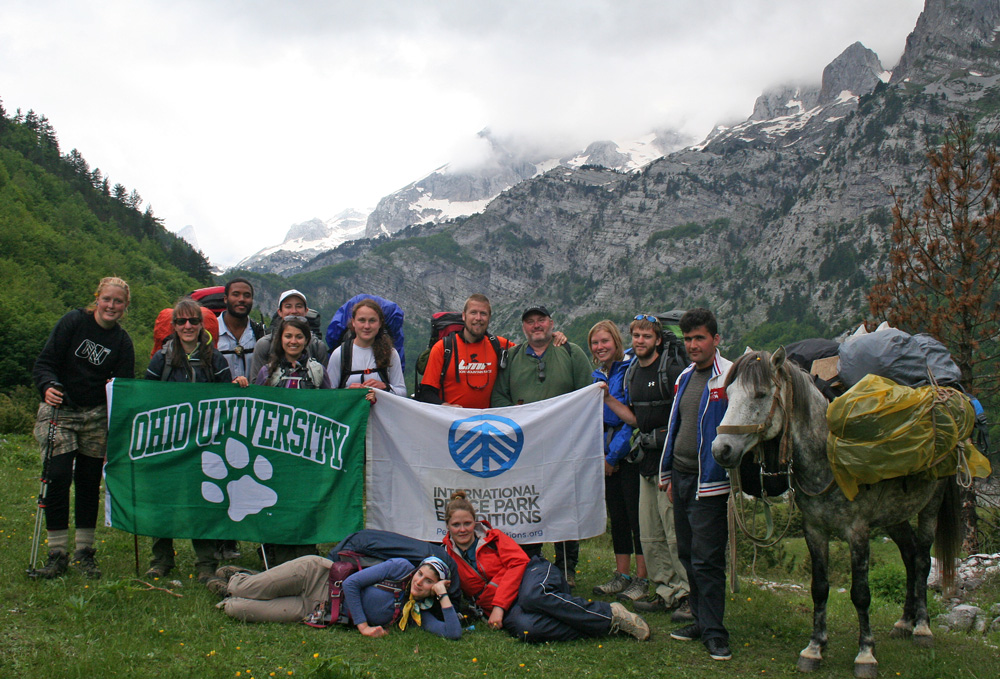
›One of the last biodiversity hotspots in Europe was also backdrop to one of its last violent conflicts and now home to its newest nation states. The Prokletije/Bjeshket e Nemuna Mountains, often referred to as the Southern Alps, are a large expanse of wilderness and stunning alpine landscapes that form the border between Montenegro, Albania, and Kosovo. Three national parks share borders and form a patchwork of protected land that could be the basis for an international peace park – a shared resource that could promote cross-cultural exchange collaborative natural resource management, and eco-tourism.
-
John Furlow on Better Coordination for Better Climate Adaptation
›“We [need to] stop treating ‘adaptation’ like a sector,” says John Furlow, climate change specialist at the U.S. Agency for International Development (USAID), in this week’s podcast, “but start treating it as a stress or a risk that undermines the development sectors, the environmental sectors, the social sectors that we care about.” -
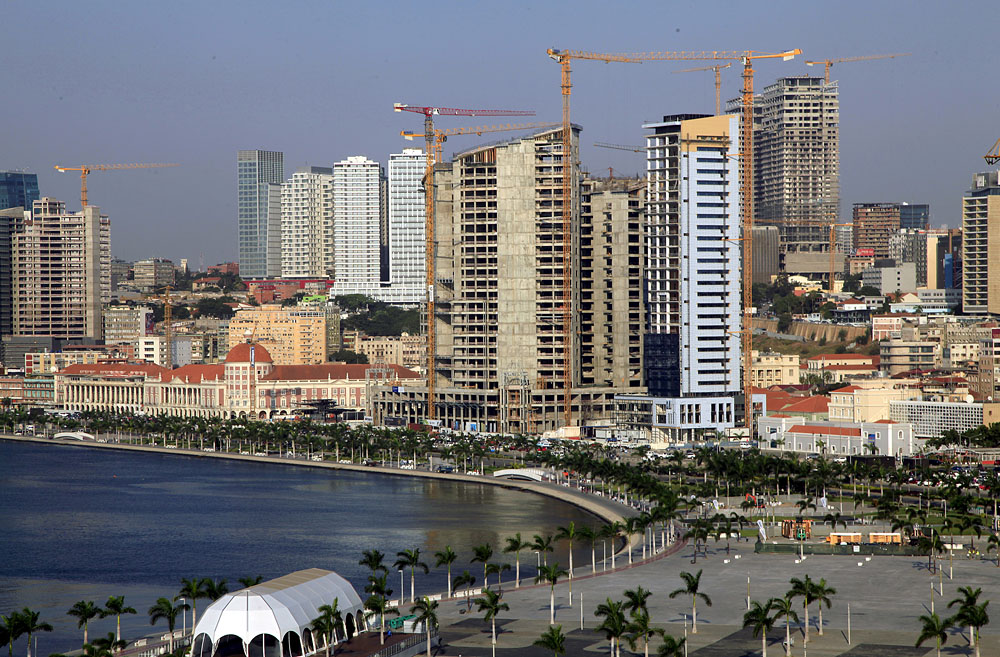
Angola’s Oil-Soaked Kleptocracy Is an Empire Built on Inequality
›August 26, 2015 // By Josh FengIsabel dos Santos, the daughter of Angolan President José Eduardo dos Santos and the richest woman in Africa, owes her wealth to the oil industry. Delfina Fernandes, a woman living in abject poverty in the village of Kibanga, uses gasoline as an anesthetic to dull the sheering pain of her rotting teeth.
-
Development in U.S. and Canadian Arctic Not Only About Oil and Gas, But Providing for People
›Opportunities for research, enterprise, and exploration in the Arctic are expanding as climate change renders the northernmost reaches of the globe more accessible – and visible – than ever before. Often overlooked, however, are the people who actually live there. Four million people make their home in the resource-rich Arctic, where developers and policymakers are staking growing claims. [Video Below]
Showing posts from category economics.

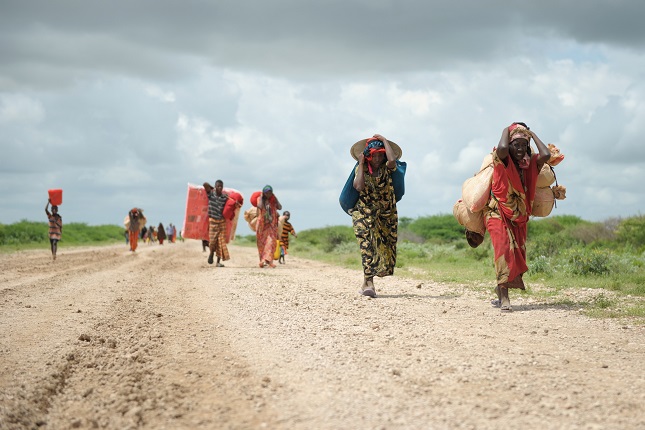
 “We [need to] stop treating ‘adaptation’ like a sector,” says John Furlow, climate change specialist at the U.S. Agency for International Development (USAID), in this week’s podcast, “but start treating it as a stress or a risk that undermines the development sectors, the environmental sectors, the social sectors that we care about.”