-
An Update on Kenya’s Dwindling Lake Turkana as Ethiopian Dam Begins Operation
›A four-part video series produced by the Kenya Broadcasting Corporation (KBC) and supported by the Fund for Investigative Journalism gives an update on the beleaguered communities of Lake Turkana, the world’s largest desert lake that supplies vital ecosystem services and livelihoods to 300,000 people in northwestern Kenya. The lake is fed entirely by the Omo River, flowing south from Ethiopia, but a newly completed upstream dam has raised questions about the future.
-
Lessons From Africa’s Great Lakes on How Conservation Orgs Can Address Migration
›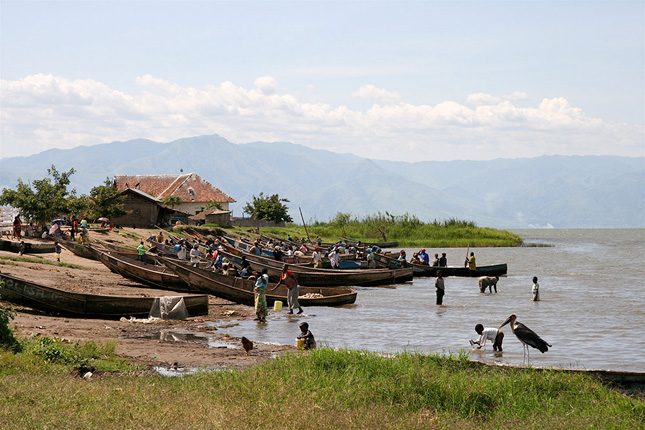
Migration is an important strategy for coping with environmental variability and change, but it can also place additional stress on ecosystems. Policymakers and practitioners are not always fully aware of these threats, nor fully prepared to manage them through appropriate interventions. Conservation professionals in the field therefore have a key role to play in reducing the harmful impacts that migration can have on the environment, and in mitigating any tensions that may emerge between migrant and host communities.
-
Did Paris Address the Climate Challenges Faced by African Communities?
›
Since its adoption after COP-21 in December 2015, the Paris Agreement has received mixed reviews. Some stakeholders, mostly industrialized countries, see the climate deal as a success. Developing countries have generally been more cautiously optimistic, welcoming the agreement as the best option under the circumstances.
-
Ellen Starbird on the Allure of the Demographic Dividend and How to Achieve It
›“It has always surprised me actually how powerful this ‘demographic dividend’ framework seems to be,” says Ellen Starbird, director of USAID’s Office of Population and Reproductive Health, in this week’s podcast. But “for a lot of countries it’s a long way off.” -
Cleaning up China’s Ports: Shenzhen Explores Fuel Switching and Onshore Power
›China’s “strictest air protection law” yet took effect on January 1, 2016, promising to bring big changes to its smog-filled cities. But some municipal governments have been ahead of the curve, working to clean up the air through experimentation and innovation. Shenzhen, China’s first special economic zone and which recently passed its neighbor Hong Kong to lead China’s most competitive cities, is one of these.
-
It’s OK to Play With Your Food: What We Learned From a Global Food Security Game
›The year is 2022. Strong El Niño and La Niña events in successive years have drastically reduced wheat yields in India and Australia and increased the range of certain pests and plant pathogens in the Western Hemisphere. Moreover, a drought across North America has reduced corn and soybean yields significantly. Global commodity prices are up 262 percent over long-term averages. These price increases are compounding other social and economic challenges, contributing to social unrest in several food-importing nations.
-
Ethan Zindler on Clean Energy in Emerging Markets: “The Private Sector Sees the Opportunity”
›“The good news is clean energy has gotten much cheaper,” says Ethan Zindler, head of the Americas for Bloomberg New Energy Finance, on this week’s podcast. “The amount of stuff getting built for the same number of dollars has been going up. You’re getting more ‘bang for your buck’ when it comes to actual deployment.” -
Keith Schneider, Circle of Blue
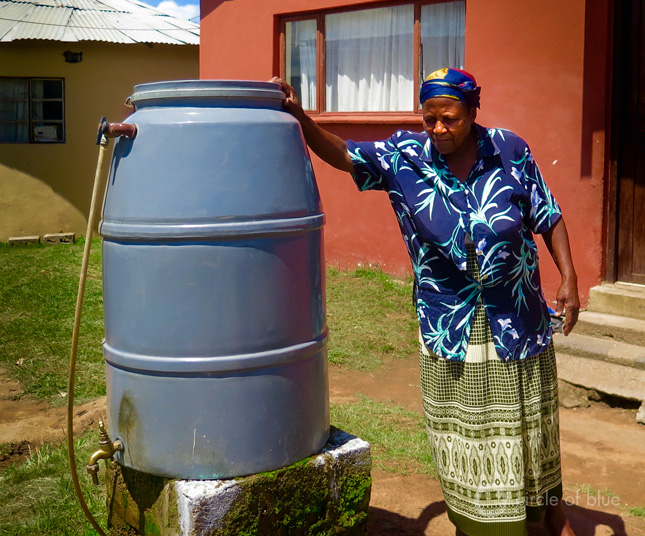
Durban’s Decentralized Water and Sanitation System Sets Global Standard
›DURBAN, South Africa — Arguably the most elegant aspect of an inelegant subject is how this city of 3.2 million residents, South Africa’s second largest, is solving monumental water and waste challenges in its jammed informal settlements.
Showing posts from category economics.
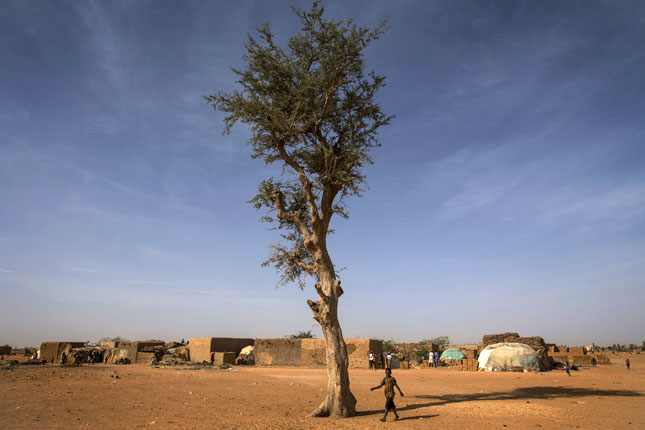
 “It has always surprised me actually how powerful this ‘demographic dividend’ framework seems to be,” says Ellen Starbird, director of USAID’s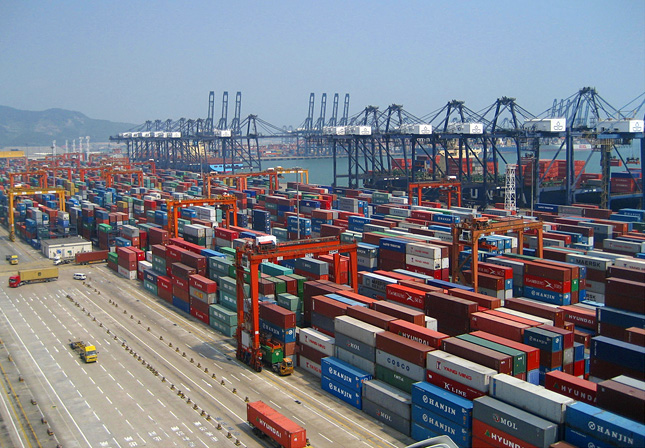
 “The good news is clean energy has gotten much cheaper,” says