-
Making Nunavut a Full Partner in Canadian Confederation
›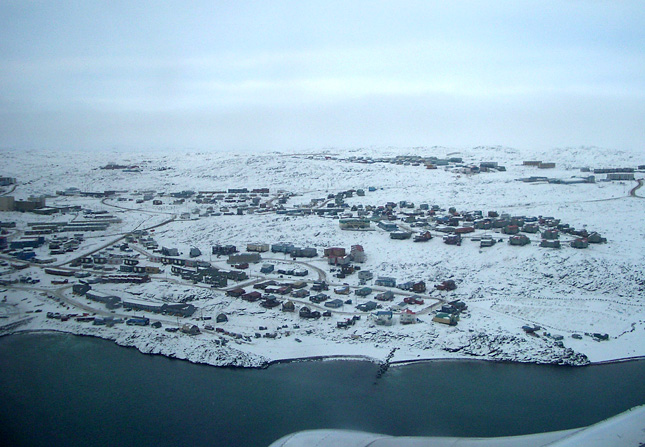
Canada is well known as a world leader in measures of human wellbeing. Since the launch of the UN Human Development Index in 1990, Canada has ranked among the top 10 countries every single year except one. But though Canadians can take a just pride in their country’s achievement on the global stage, it nevertheless masks grave concerns at home.
-
Mike Eckhart: “We Are 40 Years Into a 100-Year Energy Transition”
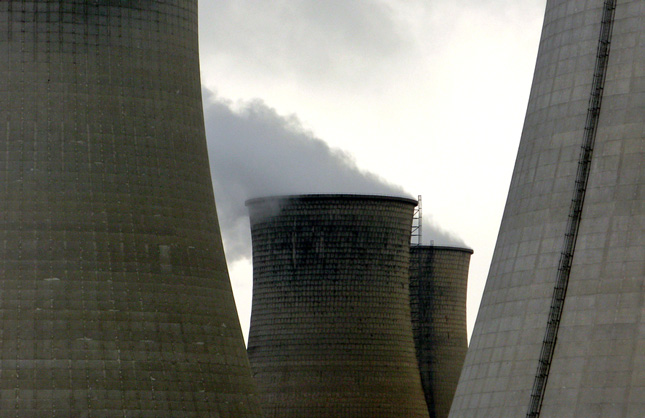
› “In my view, we are 40 years into a 100-year transition to a clean energy economy,” says Mike Eckhart, global head of environmental finance and sustainability at Citigroup, in this week’s podcast. “We’re in the mainstream of building an industry.”
 -
Prized Natural Resources Are Rarely Addressed in Peace Agreements
›February 10, 2016 // By Haodan "Heather" ChenDespite evidence that natural resources play a major role in many conflicts – 40 percent of all civil wars since the end of the Cold War, according to an estimate by the UN Environment Program – a study conducted by Arthur G. Blundell and Emily E. Harwell for the NGO Forest Trends reveals that most ceasefire and peace agreements do not address natural resources.
-
Jagdish Upadhyay: Don’t Wait for the Demographic Dividend, Seize It
›“The demographic dividend is about inclusive growth, not just economic growth,” says Jagdish Upadhyay, chief of commodity security at the United Nations Population Fund (UNFPA), in this week’s podcast. “If it’s not inclusive, achieving the demographic dividend will be difficult.” -
India’s Thirst for Palm Oil, New South-South Trade Patterns Cast Doubt on Sustainability Initiatives
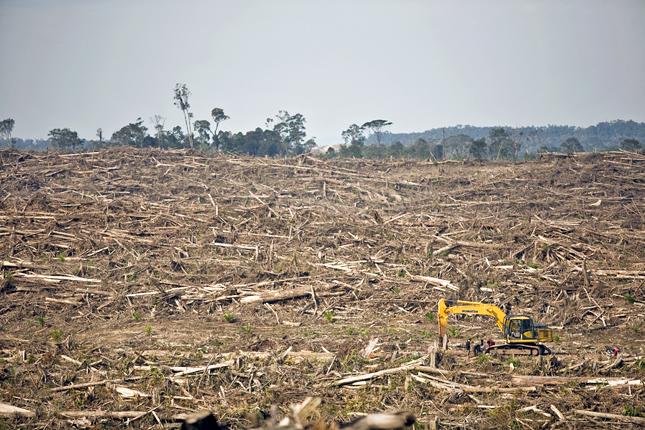
›Patterns of trade and consumption in the global food system are shifting. In the past, most trade in agricultural commodities occurred between developed and developing countries. But, in recent years, the volume of South-to-South trade has increased significantly. Today, some of the most problematic crops in terms of their effect on the environment, such as soy and palm oil, are predominantly traded amongst developing and fast-rising countries.
-
Breaking Out of the Dome: Can Energy Efficiency Help Chinese Cities Conquer Air Pollution?
› -
Zika Virus Prompts El Salvador and Others to Discourage Pregnancy – What Are the Potential Consequences?
›The government of El Salvador took a truly extraordinary step in an attempt to control the rapidly spreading Zika virus last week by asking its citizens to avoid getting pregnant from now until 2018. Yes, you read that right.
-
Can Myanmar Avoid Conflict Pitfalls in its Hydro Blitz?
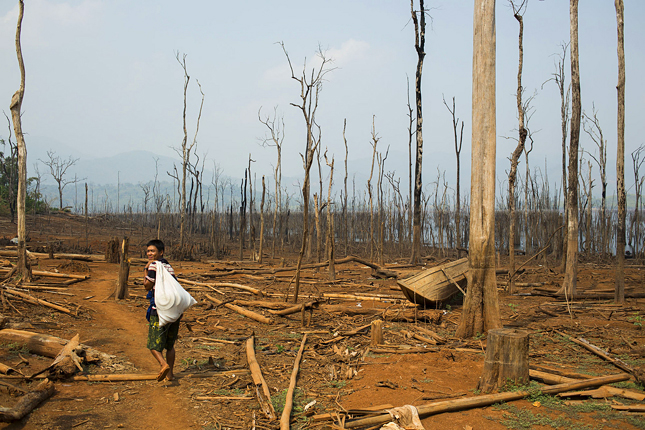
›Myanmar is undergoing multiple transitions, from military rule to democracy, decades of civil war to peace, and from a command economy to a market-based one. No less of an important challenge amidst this backdrop of change and hope is addressing the country’s energy poverty.
Showing posts from category economics.
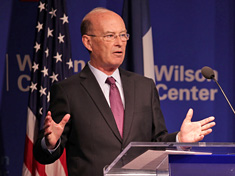 “In my view, we are 40 years into a 100-year transition to a clean energy economy,” says Mike Eckhart, global head of environmental finance and sustainability at Citigroup, in this week’s podcast. “We’re in the mainstream of building an industry.”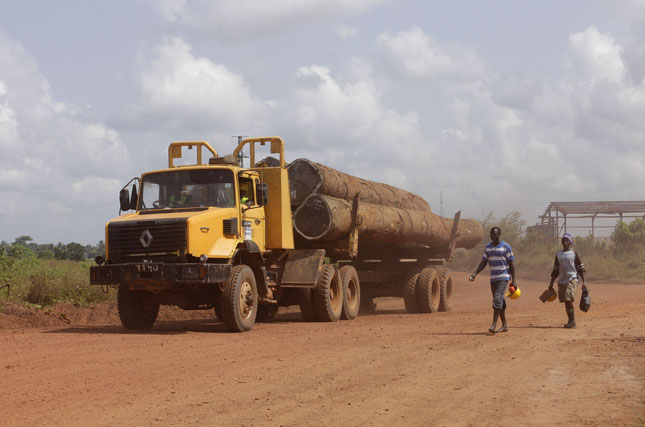
 “The demographic dividend is about inclusive growth, not just economic growth,” says Jagdish Upadhyay, chief of commodity security at the United Nations Population Fund (UNFPA), in this week’s podcast. “If it’s not inclusive, achieving the demographic dividend will be difficult.”