-
High Stakes: Understanding Risk and Why This Year’s Climate Negotiations Are So Important
›
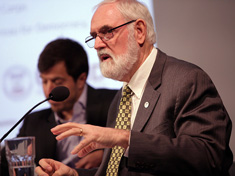
Expectations for the upcoming UN climate change summit in Paris are higher than they’ve been in years. Experts expect it will be the best chance to achieve a binding, universal agreement to limit carbon emissions. But the conference is still not getting the attention it deserves from policymakers and the public, given the stakes – and not just for the environment but for the international system writ large, said Nick Mabey, founding director and chief executive of the UK-based environmental NGO E3G at the Wilson Center on February 12.
-
Big Money, Big Politics, and Big Infrastructure: Florida’s Saga Illustrates Climate Change’s Deep Challenges
›
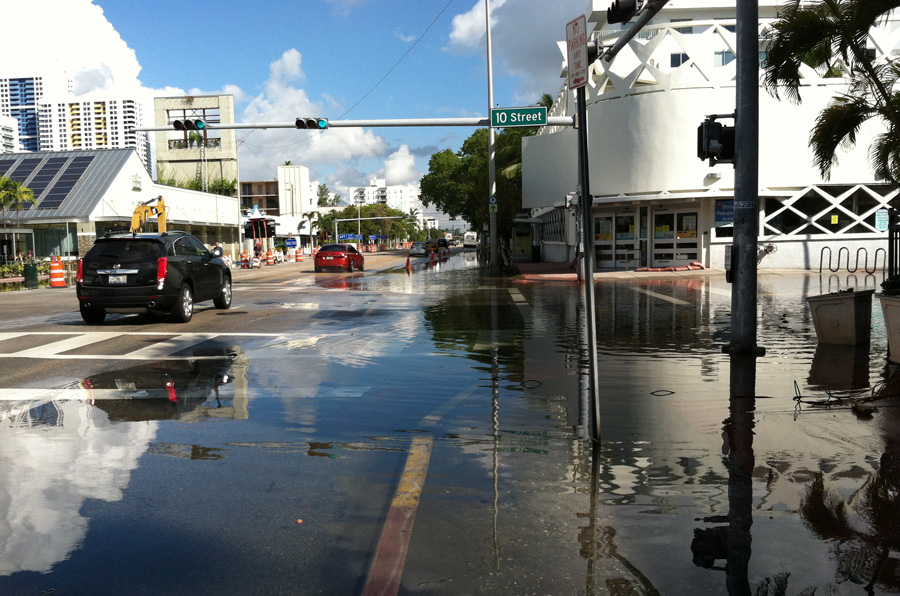
Investigative journalists reported earlier this month that top appointees at Florida’s Department of Environmental Protection and other state agencies ordered employees not to use the terms “climate change” or “global warming” in official communications. Politically coded euphemisms such as “climate drivers” and “climate variability” were to be used instead. “Sea-level rise” was to be replaced with “nuisance flooding.” The news swiftly went viral, with commentators noting the irony of such censorship occurring in Florida – essentially ground zero for climate change in the Global North.
-
Tom Staal on How Resilience Changes the Way USAID Works
›When it comes to international development, a resilience framework is key, says Tom Staal, acting assistant administrator of the Bureau of Democracy, Conflict, and Humanitarian Assistance at USAID, in this week’s podcast.
-
SAM EATON, PRI’S THE WORLD
In Malawi, Attitudes Toward Family Planning Shift After Flooding, Hunger
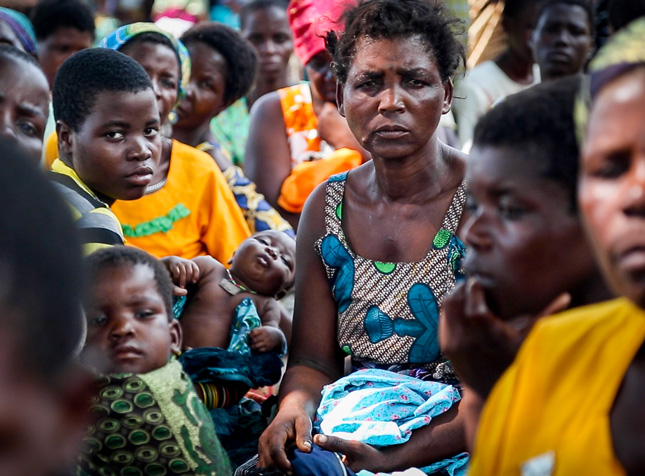
›March 18, 2015 // By Wilson Center StaffFor two villages in southern Malawi, climate change and contraception have become intertwined. So much so, that long-held cultural assumptions are starting to change.
-
Sam Eaton, PRI’s The World
Severe Weather and Deforestation Create a Humanitarian Crisis in Malawi
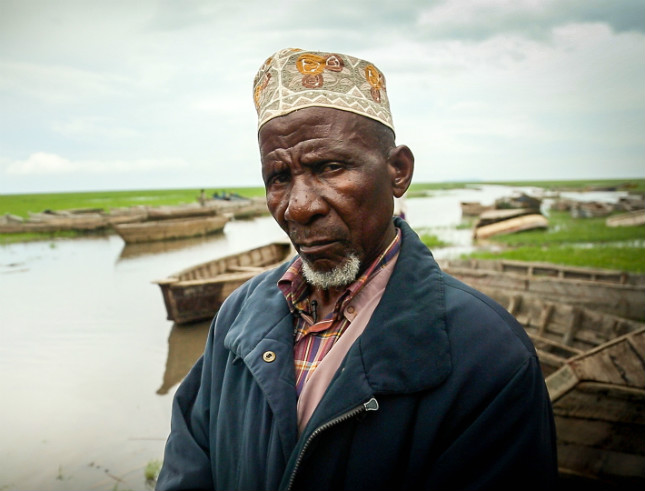
›March 4, 2015 // By Wilson Center StaffYou could say the people living along the banks of the Thondwe River in southern Malawi were lucky. At least they’d been warned of the flash flood in early January that would burst through an earthen dike, wash away their homes and crops, and leave more than 4,000 of them homeless.
-
The Case for Better Aid to Pakistan: Climate, Health, Demographic Challenges Demand New Approach
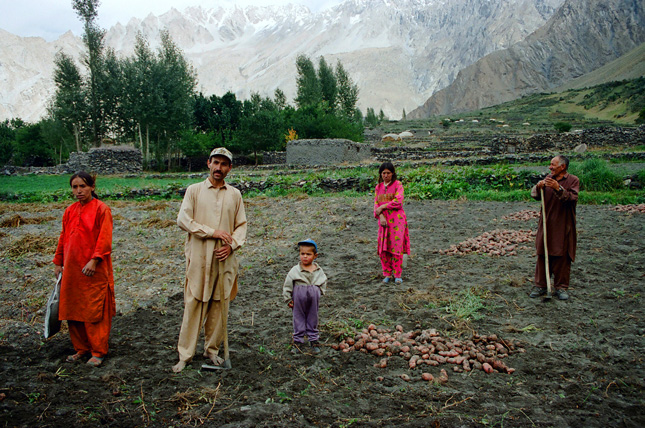
›March 2, 2015 // By Kate DiamondIn 2009, the U.S. Congress passed a five-year, $7.5 billion aid package for a country it had all but abandoned just 10 years earlier. Indeed, if one word can summarize the U.S. relationship with Pakistan, “volatile” might be it. Since the September 11 attacks, the U.S. has appropriated nearly $61 billion in aid to Pakistan – more than twice what it received since independence in 1947.
-
As Humanitarian Crises Multiply, Maternal Health and Safety of Women Becoming a Focus
›Accessing maternal health care is already a challenge in many countries, and when conflict erupts or a disaster strikes, it can get even worse, leaving millions of women on their own while at their most vulnerable, said Ugochi Daniels, chief of humanitarian response for the UN Population Fund (UNFPA). Women and girls also become more vulnerable to violence during times of crisis, she said, by virtue of nothing but their gender. [Video Below]
-
Combination of Climate Change and Youth Puts Some Countries at Risk of Fragility
›Climate change and youthful demographics can combine to create security risks in already fragile contexts, according to a new report commissioned by UNICEF UK and co-authored by the London-based research organizations International Alert and the International Institute for Strategic Studies.
Showing posts from category disaster relief.