

-
As Ebola Lingers in Liberia, What Have We Learned?
›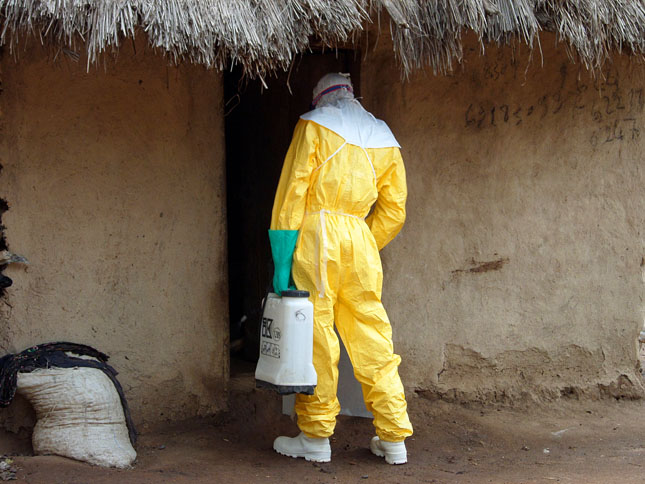
The deadly West African Ebola epidemic has largely faded from headlines, replaced by mounting concern over conflict in the Middle East, terrorism, and refugees streaming into Europe. But while Guinea and Sierra Leone were declared free of the disease in November, Monrovia saw three new cases two weeks later. At least 149 individuals who came into contact with the infected have been identified thus far, according to the World Health Organization (WHO).
-
The U.S. Asia-Pacific Rebalance, National Security, and Climate Change (Report Launch)
›
In the hierarchy of global and national security challenges, climate change comes out near the top, said a panel of distinguished defense, diplomacy, and intelligence leaders at the Wilson Center on November 17. [Video Below]
-
The ECC Factbook Illustrates How the Environment Can Contribute to Peace and Conflict
›In his speech on climate change and national security on November 10, Secretary of State John Kerry said climate change is already a “threat multiplier,” and that worse is to be expected if climate change continues unchecked. But the relationship between the environment and violent conflict is complex and often indirect. Researchers have been wrangling for years over the role that global environmental change plays in fueling conflict and state fragility.
-
Military Leaders: Climate Change, Energy, National Security Are Inextricably Linked
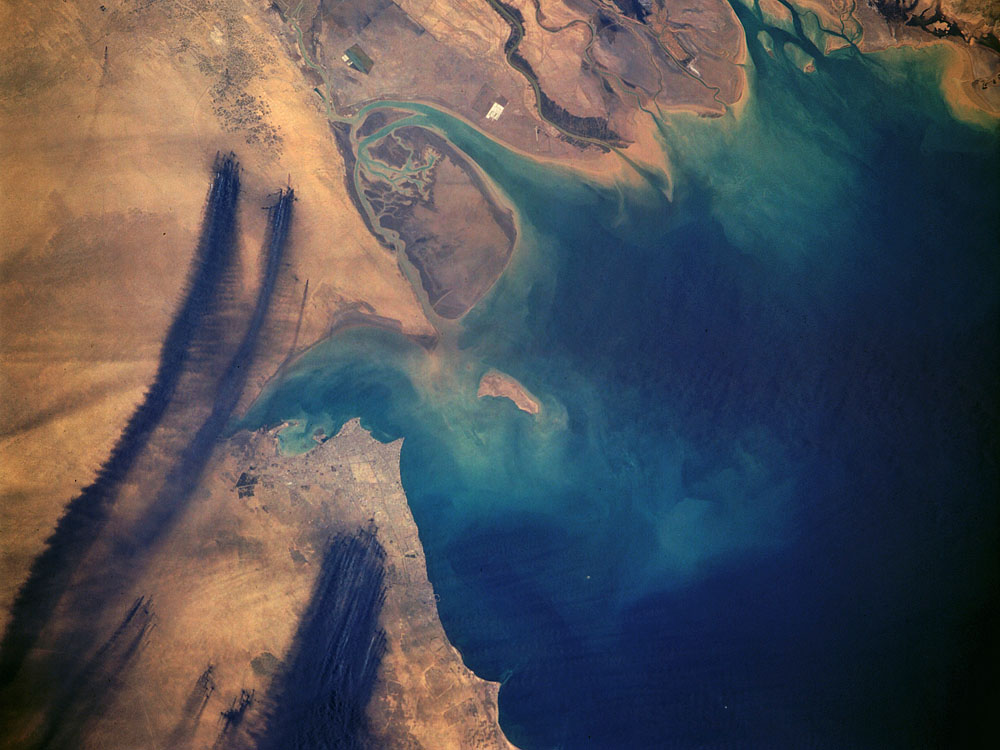
›In the midst of a minefield on day two of Desert Storm Task Force Ripper, Marine Corps Operations Officer Richard Zilmer stepped out of his armored personnel carrier, squinted up at the sky, and saw nothing but black from horizon to horizon. Iraqi forces, trying desperately to blunt the attack of coalition armies, had set fire to hundreds of Kuwaiti oil wells and oil-filled trenches.
-
Growing Role of Armed Forces in Disaster Relief a Dangerous Trend for Latin America
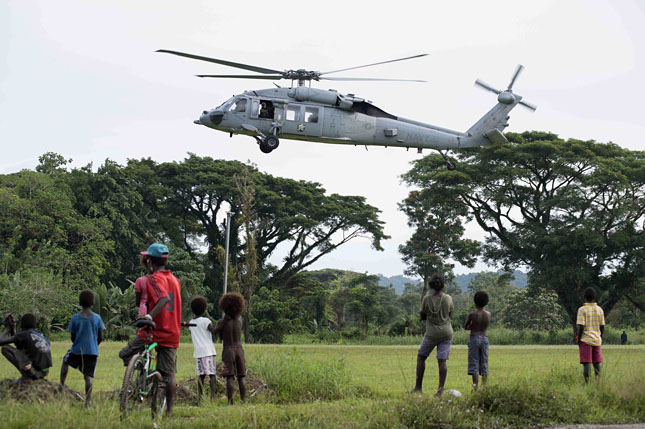
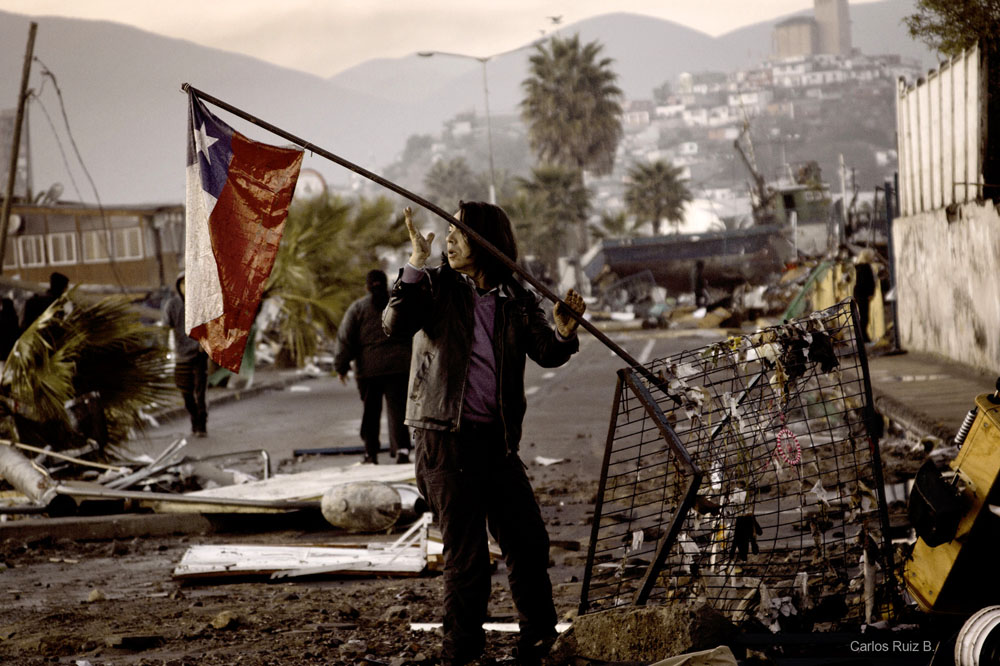
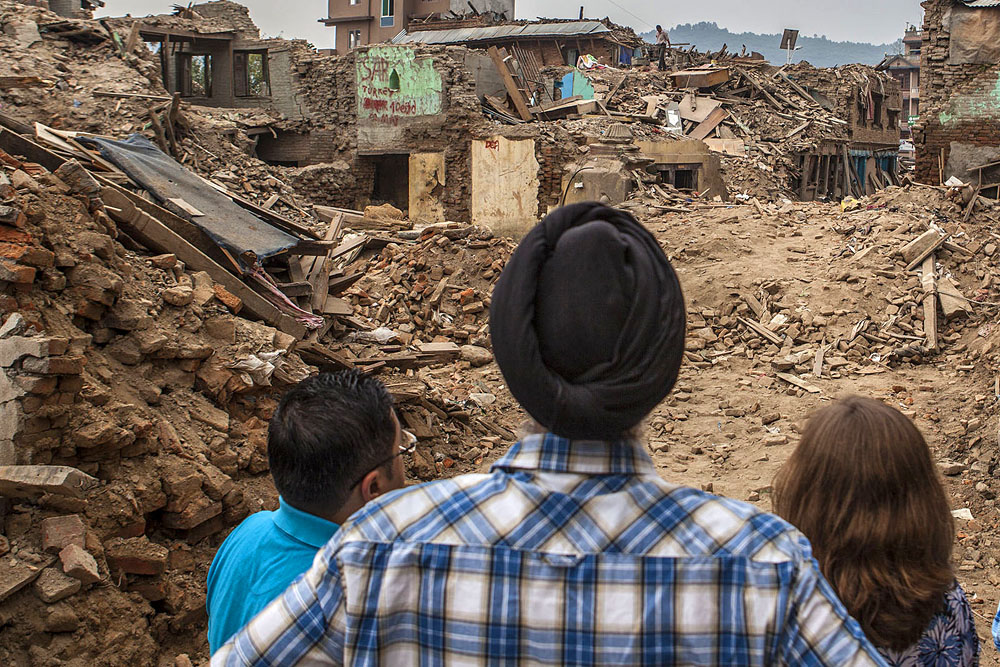
›From earthquakes to floods, when natural disasters strike, the military is often called on to bolster civilian responses. Policymakers throughout Latin America in particular are increasingly relying on the armed forces for emergency assistance.
-
Climate Change Adaptation and Population Dynamics in Latin America and the Caribbean (Report)
›Global climate trends indicate that our planet will continue warming into the next century, leading to more extreme climate conditions. The Latin America and Caribbean region is vulnerable to some of the most challenging aspects of climate change – sea-level rise, changes in precipitation, glacial melting, spreading of disease, and extreme weather events.
-
Scenario Planning for Development: It’s About Time
›Scenario planning has a long history. The RAND Corporation employed it heavily in planning for potential U.S. responses to nuclear war and 16th century Spanish Jesuit theologians pointed to the idea as proof of free will. But in many respects this powerful set of methodological tools for managing complexity and uncertainty remains underused, especially beyond the defense, intelligence, and business communities.
-
John Furlow on Better Coordination for Better Climate Adaptation
›“We [need to] stop treating ‘adaptation’ like a sector,” says John Furlow, climate change specialist at the U.S. Agency for International Development (USAID), in this week’s podcast, “but start treating it as a stress or a risk that undermines the development sectors, the environmental sectors, the social sectors that we care about.”
Showing posts from category disaster relief.
 “We [need to] stop treating ‘adaptation’ like a sector,” says John Furlow, climate change specialist at the U.S. Agency for International Development (USAID), in this week’s podcast, “but start treating it as a stress or a risk that undermines the development sectors, the environmental sectors, the social sectors that we care about.”

