-
The Commander in Chief, Congress, and Climate Security: Who Has the Authority?
›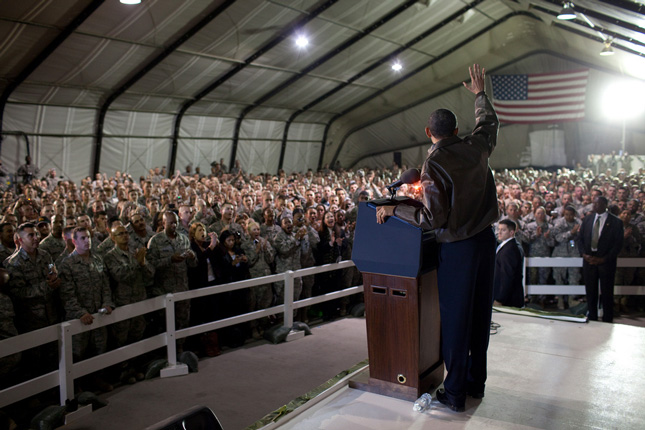
Climate change is the world’s greatest environmental threat. It is also increasingly understood as a threat to domestic and international peace and security – recognized by the Department of Defense as a “threat multiplier,” by Secretary of State John Kerry as “perhaps the world’s most fearsome weapon of mass destruction,” and by President Obama, in an address to graduates of the United States Military Academy, as “a creeping national security crisis.” The Supreme Court’s temporary blocking of the Clean Power Plan highlights the Federal-State divide over how to address climate change, but because of its national security dimension, climate change also raises unique separation of powers issues between the president and Congress with regard to how the military can respond.
-
Climate Change, Disasters, and Security: Unconventional Approaches to Building Stability
›
It is “not sufficient to look at history for lessons on how we should prepare for and prevent future security risks in a climate change world,” said Swathi Veeravalli, research scientist at the U.S. Army Corps of Engineers’ Geospatial Research Laboratory, at the Wilson Center on January 14. Climate change and the extreme weather events it brings pose an “unprecedented” threat to human security. [Video Below]
-
Kate Gilmore on Protecting Sexual and Reproductive Rights in the “Toughest of Times, in the Hardest of Places”
›“Right now, 1.5 billion people are living in humanitarian crisis – living in conflict-afflicted regions,” says Kate Gilmore, deputy executive director of the United Nations Population Fund (UNFPA), in this week’s podcast. -
Climate Compensation: How Loss and Damage Fared in the Paris Agreement
›The agreement coming out of the COP-21 negotiations gave breakthrough recognition to the concept of “loss and damage,” sorting through thorny discussions and politically charged negotiating positions. These positions revolved around liability and compensation, which developing countries called for but developed countries were unwilling to have included in the agreement.
-
After Paris, What’s the Status of “Environmental Refugees?”
›One of the hidden costs of climate change is the displacement of millions of people in some of the poorest regions of the globe. The existing international refugee regime is ill-suited to cope with those seeking refuge from environmental disasters. Countries must get serious about developing coordinated plans to address the issue, lest they be caught by surprise when another humanitarian crisis hits.
-
Secondary Cities: Neglected Drivers of Growing Economies [Infographic]
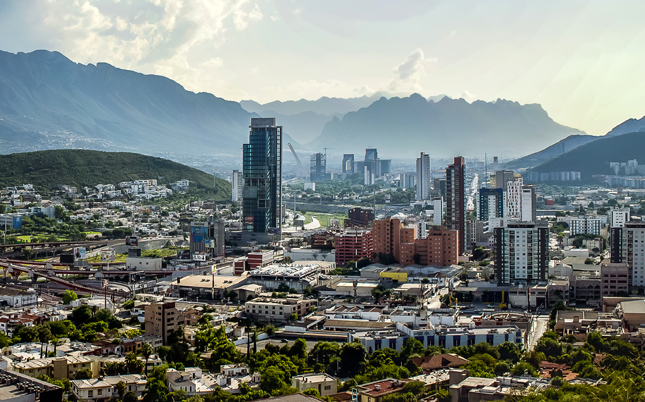
›While much of the attention in international development and academia has focused on mega and primary cities, rapidly growing secondary cities will play a significant role in global economic development in this, the urban millennium. [Video Below]
-
Shelter From the Storm: State of World Population 2015 Report Launch
›The sexual and reproductive health and rights of women and girls must be protected, even – especially – during “the toughest of times, in the hardest of places,” said Kate Gilmore, deputy executive director of the United Nations Population Fund (UNFPA), at the Wilson Center on December 3. [Video Below]
-
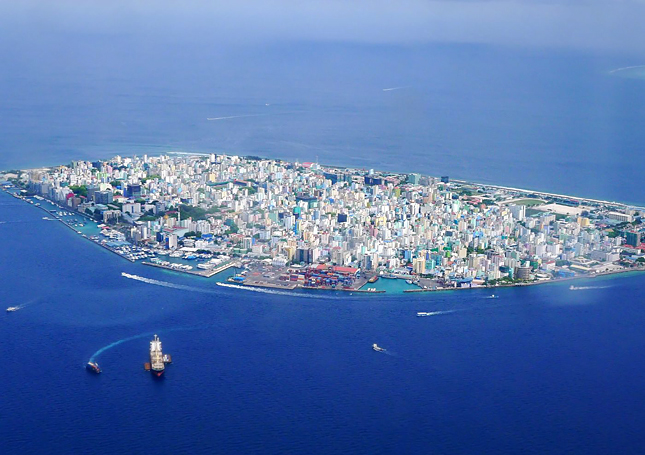
Islands in Paris: New Climate Deal Gives Some Recognition to Humanity’s Truth Bearers
›December 16, 2015 // By Roger-Mark De SouzaThe new climate deal coming out of Paris commits governments to hold the rise in average global temperatures to “well below” two degrees Celsius compared to preindustrial levels. An important dimension of this agreement calls for subsequent work on limiting the increase to 1.5 degrees. This is an important win for islands and other low-lying countries, and for humanity.
Showing posts from category disaster relief.
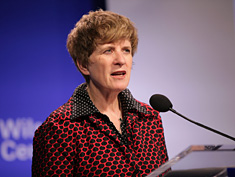 “Right now, 1.5 billion people are living in humanitarian crisis – living in conflict-afflicted regions,” says Kate Gilmore, deputy executive director of the United Nations Population Fund (UNFPA), in this week’s podcast.