-
Bioshields: Old Tools for a New Climate
›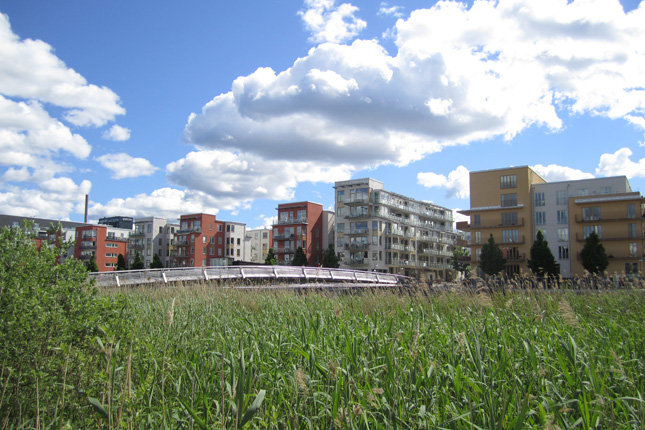
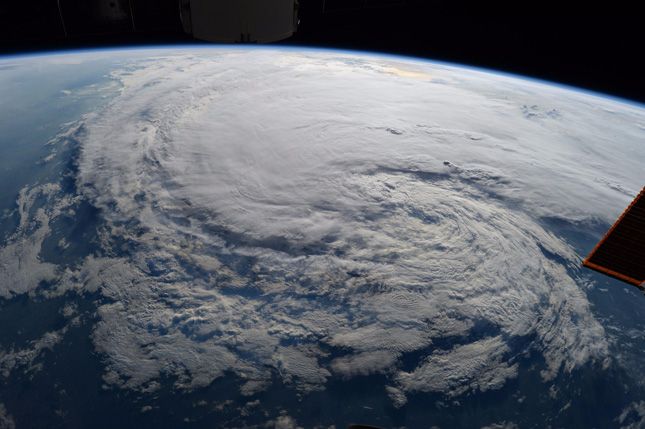
Natural bioshields—wetlands, forests, and urban green spaces—are critical tools for reducing the impacts of disasters on vulnerable communities. Between 1994 and 2014, nearly 7,000 natural disasters occurred worldwide, causing an average of almost 68,000 deaths each year. Climate change, growing populations, and widening economic inequality are all expected to increase the impacts of disasters. Bioshields—nature’s own solutions to natural hazards—can help protect people from these dangerous floods, storms, and heat waves.
-
Sustainable Water, Resilient Communities: The Problem of Too Much Water
›From the Wilson Center // Water Security for a Resilient World // December 12, 2017 // By Julianne Liebenguth
“Floods are one of many factors that keep massive amounts of the population in poverty and always on the brink of disaster,” said Eric Viala at the second event in a four-part series on water security organized by the Wilson Center in cooperation with the Sustainable Water Partnership, which Viala directs. Panelists at the event discussed the impact of intense flooding on vulnerable communities and proposed innovative and collaborative approaches to reducing their risks in the face of disasters.
-
“Let’s Start From Here”: Local Solutions for Loss and Damage and Livelihood Resilience
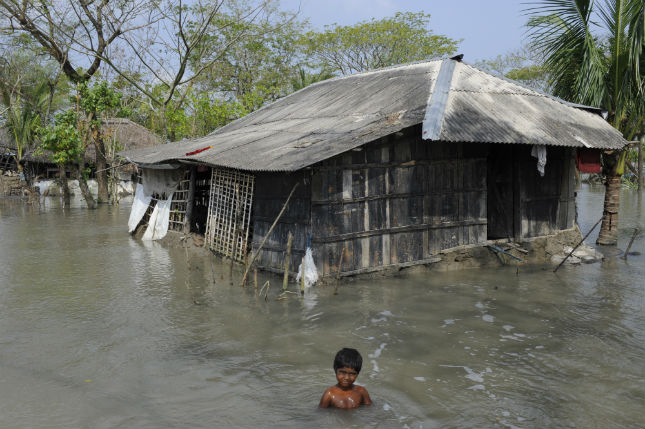
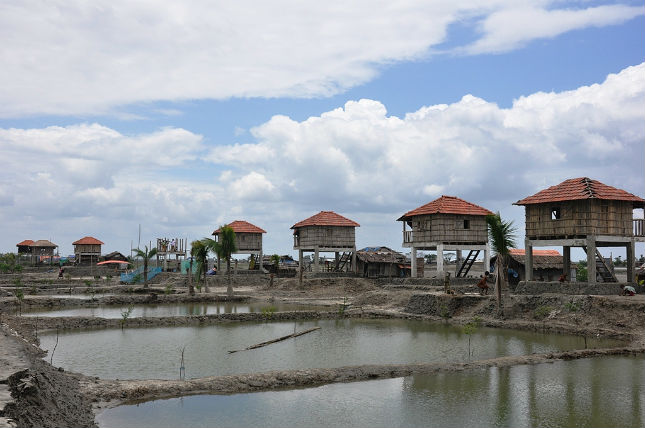
›Without warning, water rushed into a woman’s home on a raised platform above the floodplain of Bangladesh’s Teesta River. She was just a hand’s distance from her infant son, but she couldn’t stop him from falling into the floodwaters. “She can’t recover back from the trauma,” said the University of Dundee’s Nandan Mukerjee of the mother who lost her child to the currents of climate change.
-
Top 5 Posts for October 2017
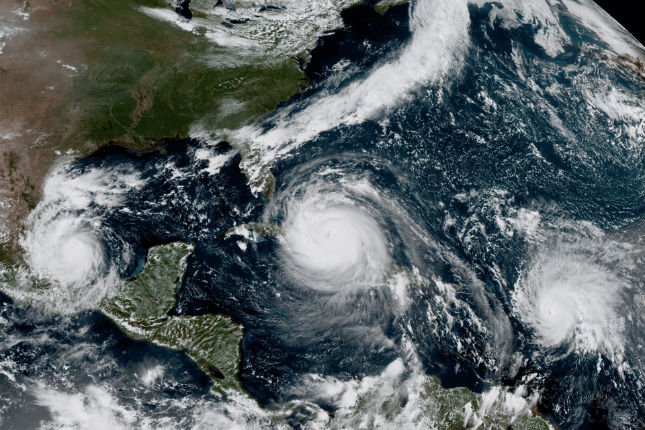
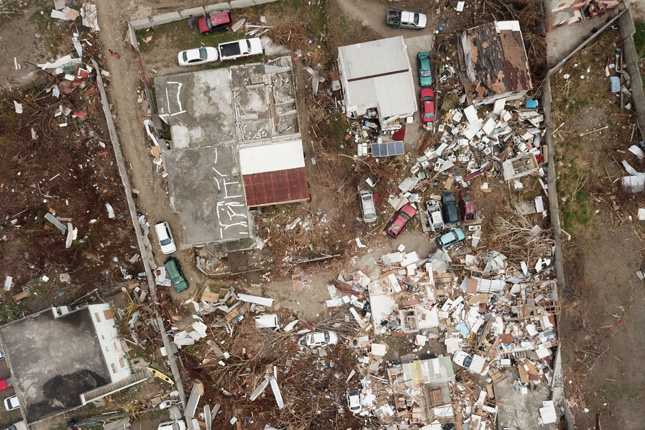
›Hurricanes Irma and Maria devastated Puerto Rico, leaving many on the island without power, drinking water, or cellular service. Such disasters are not just an issue for the Caribbean, said the Wilson Center’s Roger-Mark De Souza in an interview with WOUB that was last month’s most read story on New Security Beat. All coastal areas of the United States, with their growing populations and vulnerable but valuable infrastructure, should be prepared to face more severe climate-related natural disasters.
-
Fire Warning: From India to California, Change Fuels the Flames
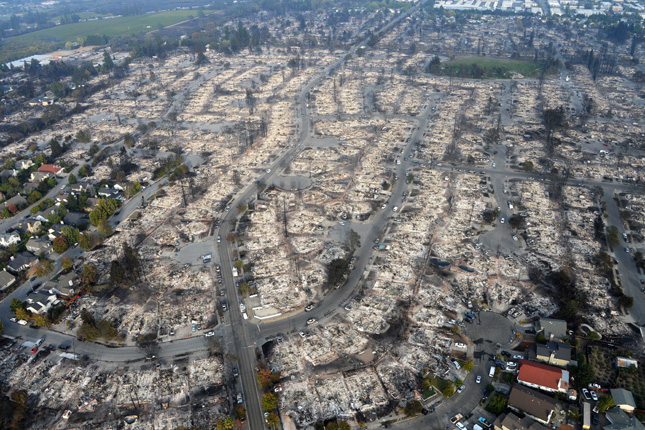
›October 31, 2017 // By Arundhati PonnapaEarlier this month, more than 40 people perished and 20,000 people were ordered to evacuate as Northern California faced some of its deadliest fires in decades. Potentially fueled by climate change, these fires—only the only the latest in a string of fires to strike the state—will reshape landscapes and lives, as I know well from personal experience on the other side of the world.
-
Dealing with Disasters: Invest in Communities to Realize Resilience Dividends
›September 27, 2017 // By Roger-Mark De SouzaThe 1-2-3 punch of hurricanes Irma, Harvey, and Maria has made it devastatingly clear that extreme weather events can and will destroy families, interrupt livelihoods, and tear apart communities, particularly in coastal and low-lying areas of vulnerable regions like the Caribbean and the United States.
-
What Is Loss and Damage from Climate Change? First Academic Study Reveals Different Perspectives, Challenging Questions
›Following a series of recent devastating extreme weather events – mudslides in Sierra Leone, flooding in south Asia, and severe storms hitting the Philippines and the Gulf of Mexico, many have called attention to the role of climate change in these disasters. The string of Atlantic hurricanes that has devastated the Caribbean has prompted fresh calls to make nations and communities more resilient to the effects of climate change, and especially to address “loss and damage” in island nations.
-
Can Caribbean Islands Really Adapt to Extreme Hurricanes?
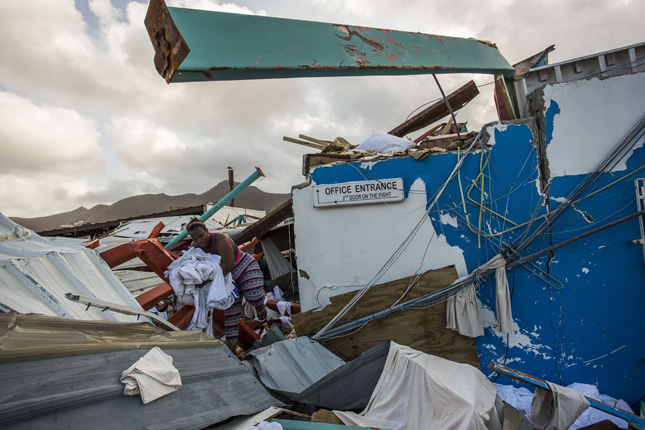
›“A monster”… “wreaking havoc”… “ripped through” the Caribbean and part of Florida: I heard these words as Hurricane Irma, the strongest Category 5 Atlantic hurricane on record, decimated the entire island of Barbuda and destroyed the four “most solid” buildings on St. Martin. And as I write this from the relative safety of Barbados, Hurricane Maria is on a similar path, leaving similar destruction in its wake. With winds of more than 160 miles per hour, Maria was the strongest storm to make landfall in Dominica. In a matter of hours, it devastated the country, regained its strength, and continued its onslaught on Puerto Rico and beyond.
Showing posts from category disaster relief.