-
ECSP Weekly Watch | January 15 — 19
›
A window into what we are reading at the Wilson Center’s Environmental Change and Security Program
The Worsening Environmental Impact of the War in Gaza
The Gaza Strip has long been uniquely vulnerable to the climate crisis, with rapid temperature increase and decreasing rainfall plaguing this whole region. Even prior to the current conflict, NGOs in the region and the UN have warned that climate change would be devastating, particularly for food and water security in the Gaza Strip and West Bank.
-
Age Structure: The Root of sub-Saharan Africa’s Governance Problems?
›
The research presented in this article was subsequently published in a peer-reviewed article: https://www.degruyter.com/document/doi/10.1515/spp-2023-0029/html
Sub-Saharan Africa’s sluggish economic growth and brittle political structures are clear challenges for the region. And two major development theories—one strictly political, the other demographic—seem to steer parallel courses in explaining them.
-
The Arc | Dr. Yvonne Su on Climate Migration, Equity, and Policy
› In today’s episode of The Arc, ECSP’s Claire Doyle and Angus Soderberg interview Dr. Yvonne Su, an Assistant Professor in the Department of Equity Studies at York University in Toronto. Dr. Su challenges oversimplified portrayals of displacement by drawing out how socioeconomic status, identity, and timeframes shape experiences of migration. She also stresses the importance of involving marginalized communities in policy consultations and draws attention to local grassroots organizations as pivotal players in addressing the challenges of climate migration.
-
The Arc | Dr. Robert McLeman on Climate Migration, Equity, and Policy
› In today’s episode of The Arc, ECSP Director Lauren Risi interviews Dr. Robert McLeman, a professor of Geography and Environmental Studies at Wilfrid Laurier University in Toronto. Dr. McLeman unpacks how climate change interacts with social, economic, and political conditions in ways that lead some communities more vulnerable to climate-related displacement than others. He also shares insights into how we can better promote safe, dignified, and just migration in the context of climate change and how justice and equity considerations are being incorporated into climate migration policy.
-
Relief, Recovery, and Peace: Peter Schwartzstein on COP28’s New Theme
›
In today’s “Relief, Recovery, and Peace” episode on New Security Broadcast, we’re featuring an interview recorded by the Wilson Center’s Middle East Program (MEP) with Peter Schwartzstein, a Wilson Center Global Fellow and environmental journalist.
In a conversation with MEP director, Merissa Khurma, Schwartzstein discusses the impact of the war in Gaza on COP28 and environmental peacebuilding efforts more broadly in the region. He also talks about how to advance the new theme of peace in COP discussions and what his hopes are for a best-case scenario coming out of the upcoming summit. -
Ecological Threat Report 2023: Same Hotspots, More Risk
›Future projections of social disturbance due to climate change and ecological pressures provide little optimism for peace in conflict-affected areas over the coming decades. Yet, can we identify current hotspots and future areas of conflict risk? The fourth Ecological Threat Report (ETR), produced by the Institute for Economics & Peace, attempts to do so by taking on the monumental task of evaluating the relationship between ecological threats and peace.
The new report documents a world of growing ecological threats and declining social resilience in the states and territories most vulnerable to a changing climate. And by assessing ecological threats, societal resilience, and levels of peacefulness at the state, territorial, subnational, and city levels, the report also finds a strong correlation between ecological threats and levels of peacefulness.
-
Competing Imperatives? Migration and the African Continental Free Trade Area
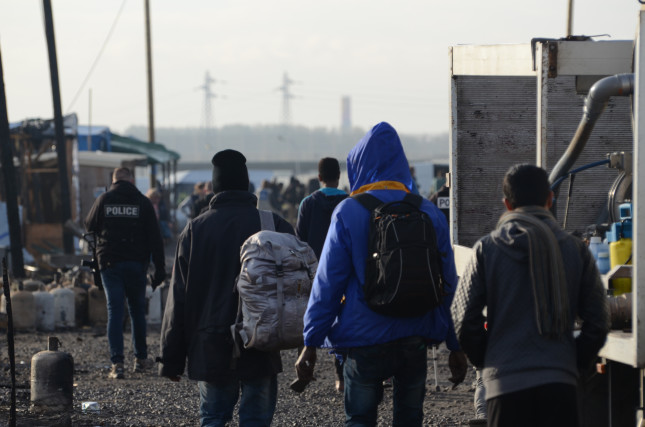
›African informal migration to Europe raises human insecurity issues for states in both Africa and Europe. This challenge was underscored almost a decade ago by the arrival of about a million migrants and refugees on the shores of Europe.
-
Tanker Water Markets: A Path to Achieving SDG 6
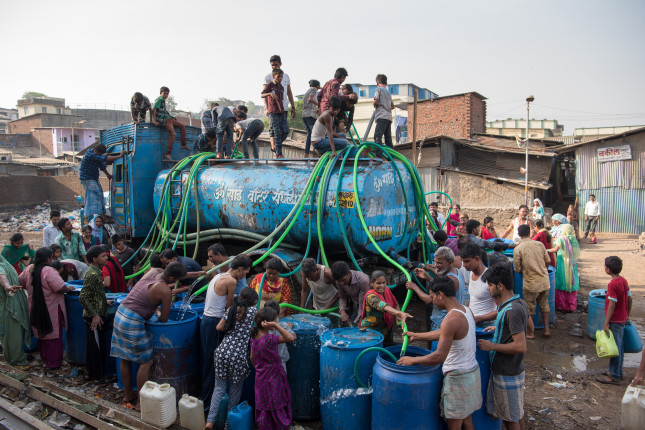
›Nearly two-thirds of the world’s population experiences some level of water scarcity—and an estimated one billion urban residents face unreliable drinking water supplies. This global water crisis not only has been recognized by the United Nations, but also prioritized for action as Sustainable Development Goal (SDG) 6: “Access to Water and Sanitation for All”.
Showing posts from category demography.
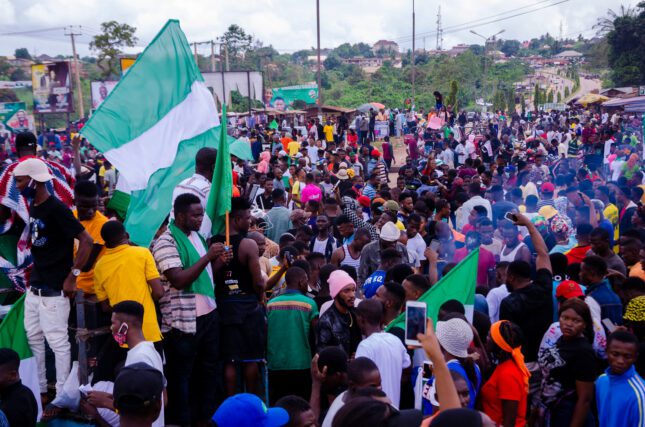
 In today’s “Relief, Recovery, and Peace” episode on New Security Broadcast, we’re featuring an interview recorded by the Wilson Center’s Middle East Program (MEP) with Peter Schwartzstein, a Wilson Center Global Fellow and environmental journalist.
In a conversation with MEP director, Merissa Khurma, Schwartzstein discusses the impact of the war in Gaza on COP28 and environmental peacebuilding efforts more broadly in the region. He also talks about how to advance the new theme of peace in COP discussions and what his hopes are for a best-case scenario coming out of the upcoming summit.
In today’s “Relief, Recovery, and Peace” episode on New Security Broadcast, we’re featuring an interview recorded by the Wilson Center’s Middle East Program (MEP) with Peter Schwartzstein, a Wilson Center Global Fellow and environmental journalist.
In a conversation with MEP director, Merissa Khurma, Schwartzstein discusses the impact of the war in Gaza on COP28 and environmental peacebuilding efforts more broadly in the region. He also talks about how to advance the new theme of peace in COP discussions and what his hopes are for a best-case scenario coming out of the upcoming summit.