

-
Social Justice or Forest Conservation? Cross-Regional Comparisons Reveal a False Trade-Off
›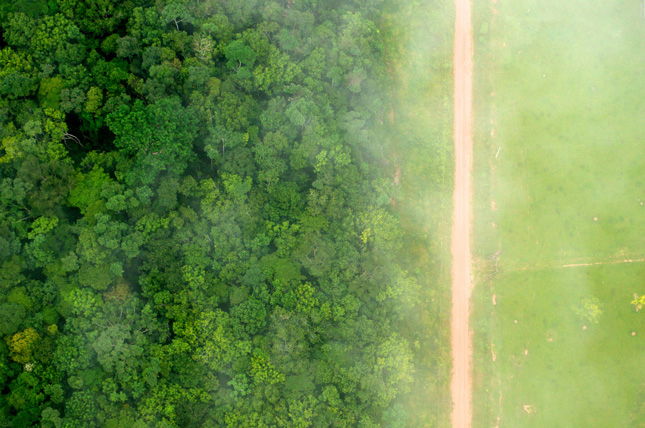
The present understanding of the relationship between environmental conservation and social justice, two of the greatest challenges of our times, is fraught with multiple confusions, especially in the context of developing countries.
-
New Media Helps Galvanize Tamil Nadu to Fight a Toxic Legacy
›
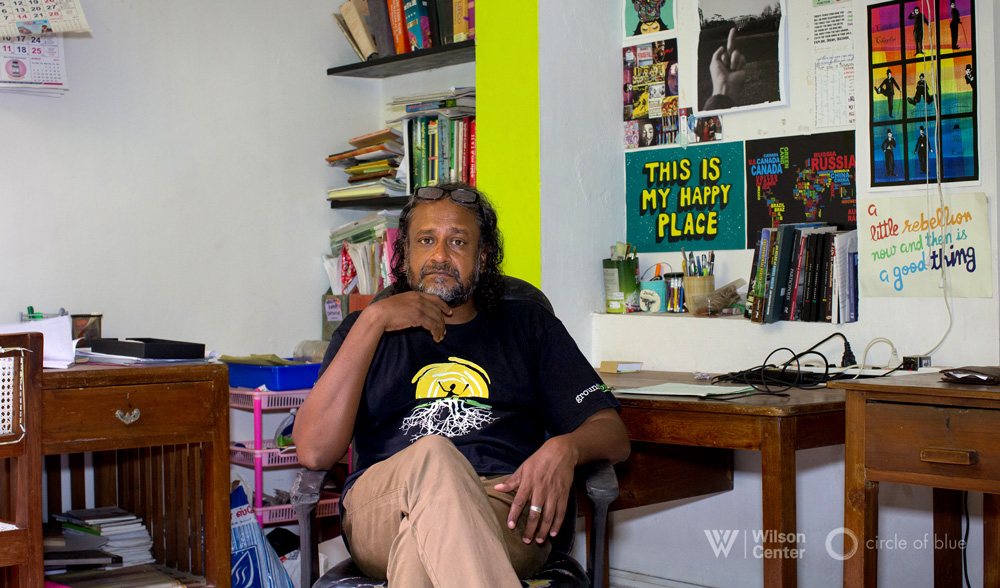
KODAIKANAL, India – In the dogged community of eco-activists, journalists, local leaders, and artists that find common ground defending Tamil Nadu from rapacious development and rampant pollution, Nityanand Jayaraman stands out.
-
Blair A. Ruble, Urban Sustainability Laboratory
Making Cities Work as Holistic Communities of Promise
›Shortly after the completion of the Empire State Building, the novelist F. Scott Fitzgerald was shattered by a visit to its observation deck. “Full of vaunting pride,” he wrote, “the New Yorker had climbed here, and seen with dismay what he had never suspected. That the city was not the endless succession of canyons that he had supposed, but that it had limits, fading out into the country on all sides into an expanse of green and blue. That alone was limitless. And with the awful realization that New York was a city after all and not a universe, the whole shining edifice that he had reared in his mind came crashing down.”
-
Christophe Angely on Overcoming Pessimism for the Sahel
›The Sahel region of Africa is a wide band that marks the transition from the Sahara Desert in the north to the wetter, sub-tropical regions in the south. The Sahelian countries have some of the most rapidly growing populations in the world and have faced significant environmental change over the past century. In recent years, insurgencies have surged in several countries, new terrorist groups have become active, there have been several droughts, and migration has increased. -
Risk, But Also Opportunity in Climate Fragility and Terror Link
›In a recent article for New Security Beat, Colin Walch made the case that the abandonment of some communities in Mali to deal with climate change on their own has created “fertile ground” for jihadist recruitment. In a similar argument, Katharina Nett and Lukas Rüttinger in a report for adelphi asserted last month that “large-scale environmental and climatic change contributes to creating an environment in which [non-state armed groups] can thrive and opens spaces that facilitate the pursuit of their strategies.”
-
Backdraft #6: Jesse Ribot on Why It’s So Important for Climate Interventions to Work Through Local Democracy
›In a research project spanning more than two dozen case studies on environmental governance in 13 sub-Saharan African countries, Jesse Ribot, professor at the University of Illinois, and colleagues found that while many forest management projects claimed to be working with communities, they were in fact undermining local democracy in various ways. -
In Ecuador, Indigenous Environmental Attitudes Affected by Proximity to Oil Extraction
›True to essentialist stereotypes, Latin America’s indigenous peoples are the best stewards of the region’s rainforests. But the source of their enthusiasm for environmental protection is more complex than mere ascriptive traits or whether they speak native languages. What’s more, in a development that should be worrying to environmentalists, exposure to the negative effects of extractive industries appears to have a degrading effect on that enthusiasm.
-
Backdraft Episode #3: Kimberly Marion Suiseeya on Voice, Justice, and Representation
›“If we think sustainable development is the goal we want to achieve, we have to be radical in elevating those who have been traditionally excluded,” says Northwestern University’s Kimberly Marion Suiseeya in this week’s “Backdraft” episode. “We have to approach conservation and global environmental governance from the perspective of the invisible and the marginalized people.”
Showing posts from category democracy and governance.

 The Sahel region of Africa is a wide band that marks the transition from the Sahara Desert in the north to the wetter, sub-tropical regions in the south. The Sahelian countries have some of the most rapidly growing populations in the world and have faced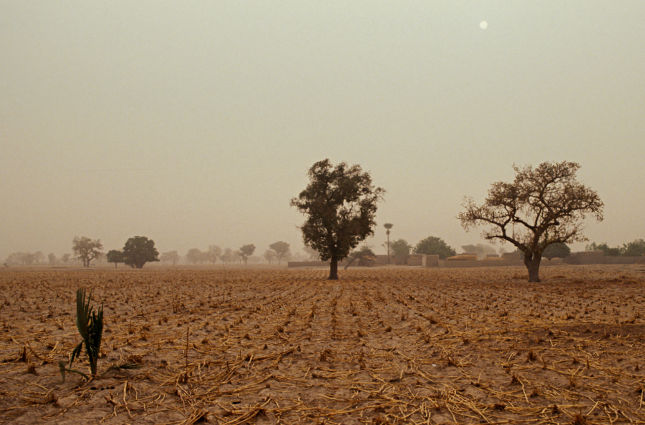
 In a
In a 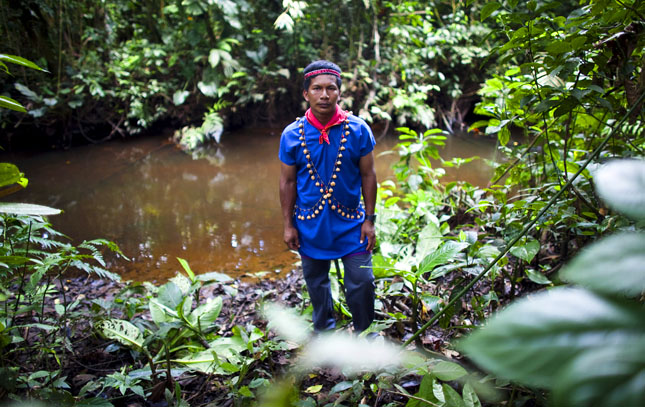
 “If we think sustainable development is the goal we want to achieve, we have to be radical in elevating those who have been traditionally excluded,” says Northwestern University’s Kimberly Marion Suiseeya in this week’s “Backdraft” episode. “We have to approach conservation and global environmental governance from the perspective of the invisible and the marginalized people.”

