-
Foresight for Action | Weathering the Storm: Improving Predictive Capabilities for Extreme Weather and Water Events in the Caribbean
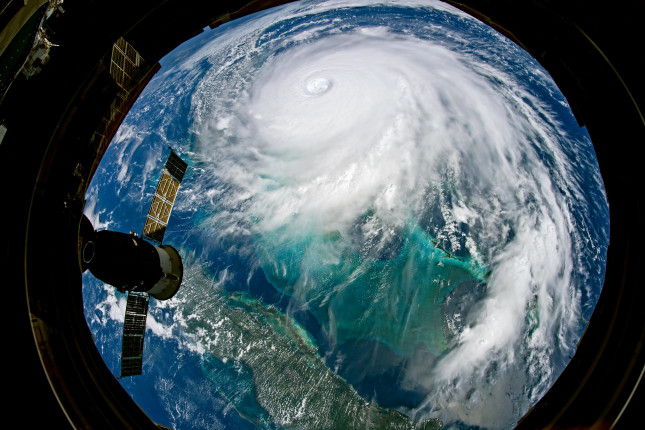
›For two weeks, Hurricane Dorian, one of the strongest hurricanes to make landfall in the Pacific, decimated large swaths of the Caribbean displacing 70,000 people and killing at least 50. Natural disasters like Hurricane Dorian in the Caribbean have only been worsening over the last decade, a trend often attributed to warming oceanic and atmospheric temperatures.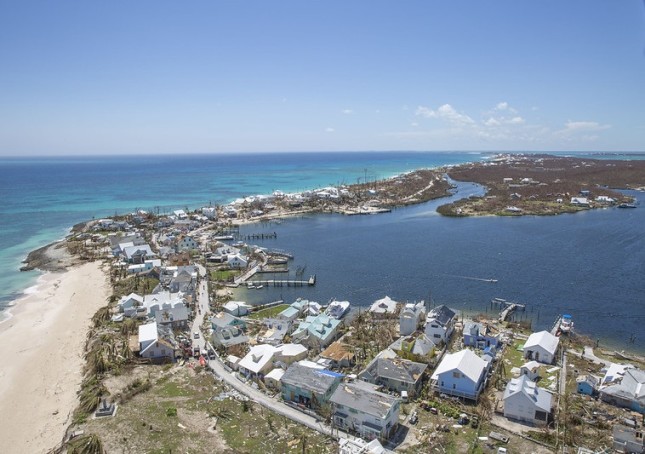
-
By, for, and of the People: How Citizen Science Enhances Water Security
›
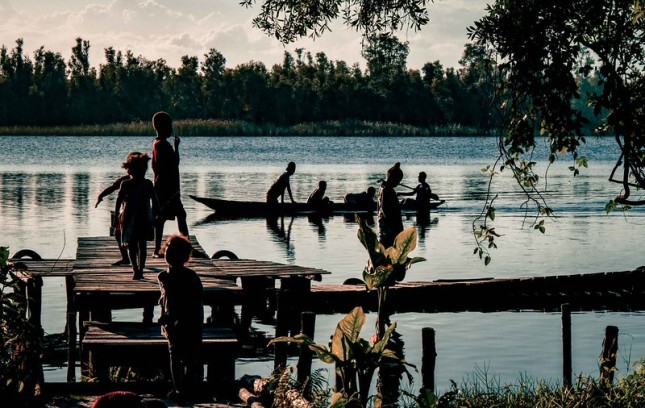
In the Peruvian Andes, where cropland is irrigated and water availability is variable at best, knowledge of highland hydrology is crucial to survival. However, until recently, the locals did not have adequate information to be able to use their water efficiently. So the community worked with a nonprofit to develop a non-specialist/non-researcher run data-gathering project to monitor the water in the region to optimize its use: in short, they developed a citizen science project.
-
Foresight for Action | Ecosystem Degradation, Transnational Migration, and Political Instability: Three Main Tipping Points for East Africa
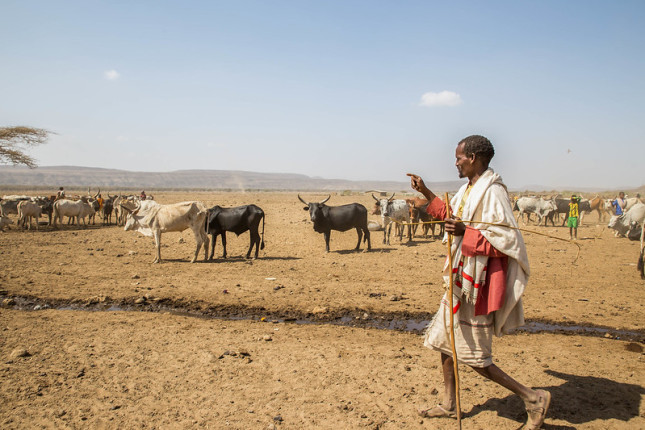
›The Horn of Africa faces critical security and climate risks. Persistent droughts have precipitated the onset of food insecurity and waterborne disease, while heavy rain events such as Cyclone Sagar have caused widespread flooding, mudslides, and wind damage. These challenges are increasing in severity against a backdrop of changing demographic trends—including rapid population growth, increased migration, and urbanization—and power struggles both within and between countries in the region.
-
Glass Half Full? Innovative Technologies Could Increase Global Water Security
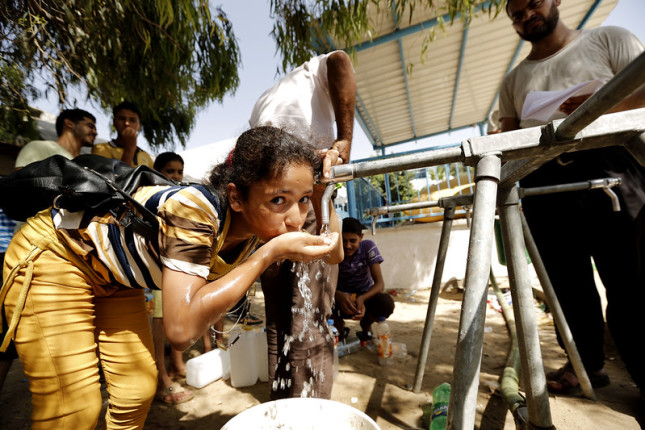
›By 2050, the UN estimates that 52 percent of the world’s population will be at risk for water insecurity. Climate change is threatening water availability through increased temperatures and drought, unpredictable rain, and the growing threat of more pollution. Globally, most wastewater reenters the water cycle without being treated, introducing dangerous unseen particles including pharmaceuticals, diseases, and larger waste products such as plastics.
-
Foresight for Action | Improving Predictive Capabilities for Security Risks Related to Extreme Weather Events
›Evidence that extreme weather, water, and climate events pose critical security risks to the U.S. homeland, national security, and global stability has been mounting in recent years. From destabilizing droughts in Africa to devastating hurricanes and flooding in the United States, we are clearly seeing an increase in not only the frequency and severity of these events, but also their physical, social, and economic impacts.
-
A New View of Disaster Risk and Reduction: An Interview with Roger Pulwarty, Senior Scientist at NOAA
›October 21, 2019 // By Mckenna CoffeyThe UN Office for Disaster Risk Reduction recently released the fifth edition of the Global Assessment Report on Disaster Risk Reduction (GAR19). The report highlights the increasingly complex interaction between hazards, and provides an update on how risk and risk reduction are understood in practice. GAR19 also highlights how the latest Disaster Risk Reduction (DRR) framework integrates into global goals such as the Paris Agreement and the 2030 Agenda for Sustainable Development. To better understand the scope and significance of this report, New Security Beat sat down with Roger Pulwarty, Senior Scientist at NOAA, and a lead author of the GAR19.
-
Nile River Water Supply Forecasts May Reduce the Chance of Conflict
›Rising tensions between Egypt and Ethiopia over construction of the Grand Ethiopian Renaissance Dam (GERD) have led to speculation that there could be a war over water. When completed, the dam will be the largest in Africa. And it will give Ethiopia control over the Blue Nile River, a major source of Egypt’s water.
-
New Report Addresses Climate and Fragility Risks in the Lake Chad Region
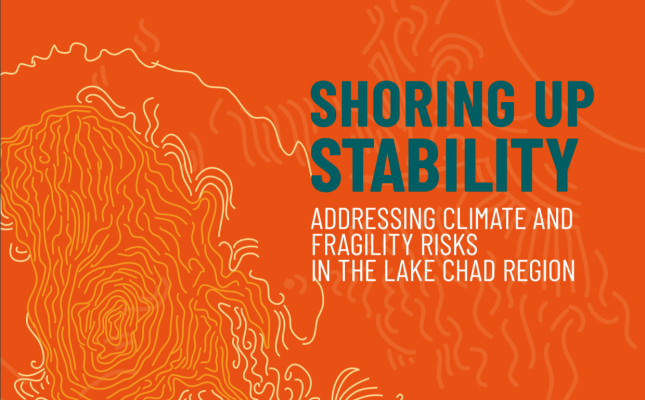
›May 15, 2019 // By Truett SparkmanContrary to popular belief, Lake Chad is not shrinking, according to Shoring up Stability: Addressing Climate and Fragility Risks in the Lake Chad Region, a new report from adelphi. This finding has profound implications for how the governments of countries bordering Lake Chad (Nigeria, Niger, Chad, and Cameroon) as well as the international community should address the conflict trap in which the people of the region are caught. “Supporting the people of the basin,” write the authors, “is not a function of saving Lake Chad from desiccation.”
Showing posts from category data.