-
New Sudan Study Has Researchers Re-Thinking Risks and Resilience of Pastoralism
›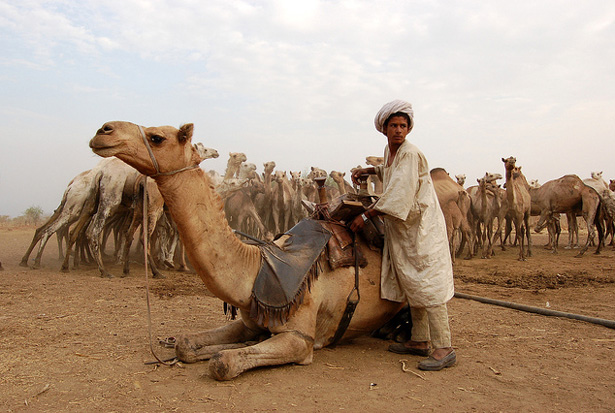
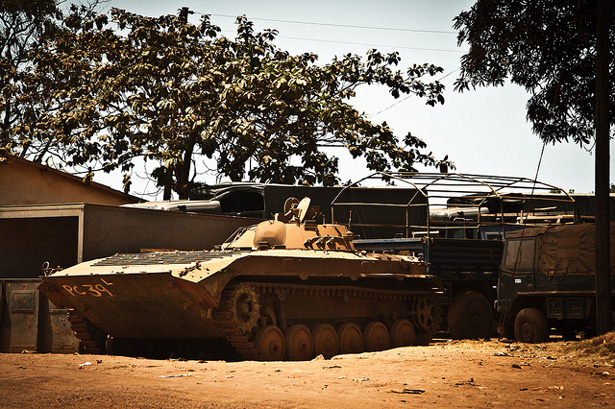
Sudan’s pastoralists gained infamy during the conflict in Darfur last decade, when outsiders described the violence as a result of competition between climate-stressed, semi-nomadic herders and sedentary farmers. But Sudan’s pastoralists may not be as fragile as previously thought and could even hold the key to survival for similar groups in Africa, said a panel of experts at the Wilson Center on November 13. [Video Below]
-
Lisa Dabek: Thinking Long Term to Save Papua New Guinea’s Tree Kangaroos
›“I always say what brought me to Papua New Guinea is the tree kangaroo, and what keeps me there are the people,” said Lisa Dabek.
-
Gender Gaining Ground at Climate Change Negotiations
›
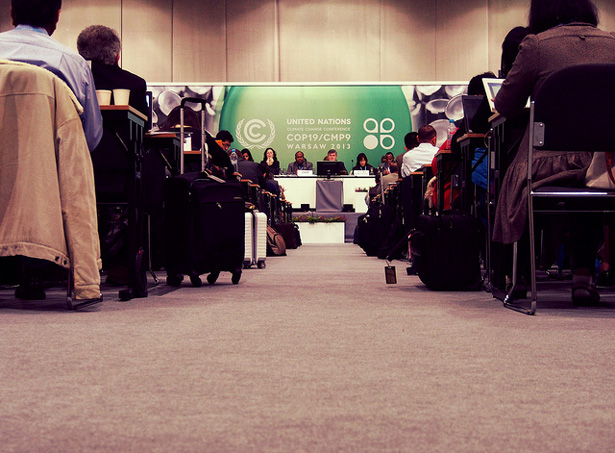
Last month, more than 10,000 negotiators from 189 countries attended the latest UN climate change conference, known as the 19th Conference of the Parties, or COP-19, this year held in Warsaw. To many, COP-19 fell frustratingly short of its already low expectations: there were no significant new agreements and 132 developing countries along with many major non-government groups staged a walkout in protest. However, it was notable for several signs of continued progress in bringing women’s voices to the negotiating table.
-
Anthropocene Visualized: Video Summarizes Key Findings of IPCC Fifth Assessment Report
›“Humanity is altering Earth’s life support system. Carbon dioxide emissions are accelerating; greenhouse gas levels are unprecedented in human history,” says a new video summarizing some of the most striking finds of the Intergovernmental Panel on Climate Change’s latest report. The climate system is changing rapidly, and it is “extremely likely,” the video quotes the IPCC, that humans are the central reason why.
-
Bringing Natural Resources to the Table: ELI, UNEP Launch New Environmental Peacebuilding Platform
›To date, despite their demonstrated importance in both conflict recovery and the risk of conflict recurrence, natural resources have been largely ignored or downplayed in post-conflict settings around the world.
-
Gorillas and Family Planning: At the Crossroads of Community Development and Conservation in Uganda
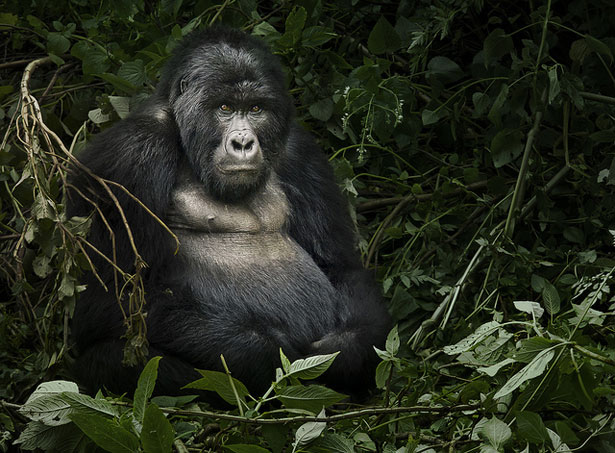
›“Gorillas are very good at family planning; if we were like them, we’d be much better off,” said wildlife veterinarian Dr. Gladys Kalema-Zikusoka at the Wilson Center on September 26. The Conservation Through Public Health (CTPH) CEO and founder is celebrating 10 years of population, health, and environment (PHE) work in Uganda and the Democratic Republic of Congo, bringing health and livelihood interventions to people while protecting mountain gorillas around Virunga and Bwindi Impenetrable National Parks. [Video Below]
-
Curbing China’s Massive – and Destructive – Distant Water Fishing Fleet
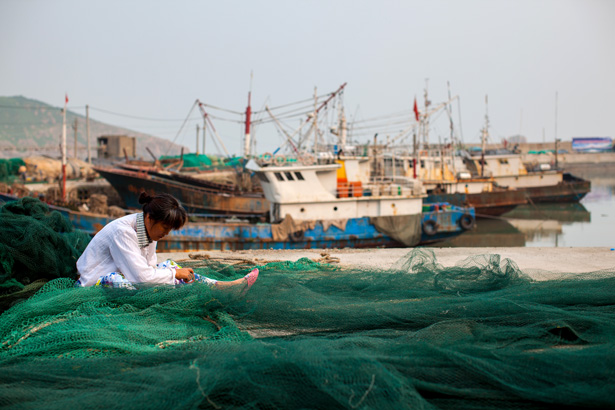
›Last month, two Chinese fishing boats were caught operating illegally in South Korean waters. The incident made local headlines and minor diplomatic waves, but it’s just a drop in the bucket in what has become a troubling trend for China’s foreign water fishing fleets. Over the last decade, there have been more than 4,600 cases of Chinese fishing boats being caught illegally in South Korea’s waters alone, according to the government, and these marine transgressions have not been limited to neighbors.
-
From Malthus to Ehrlich and Beyond: William Pan on the Roots of PHE
›
More than four decades ago, Paul Ehrlich and John Holdren said complacency concerning the impact of human population growth is “unjustified and counterproductive.” More than 200 years ago, Thomas Malthus made the case that “the way we have to reduce the birth rate is family planning and delaying marriage, [thus] expanding the number of years between births,” says Duke University’s William Pan in this week’s podcast.
Showing posts from category cooperation.