-
Feeding the Future? A Closer Look at U.S. Agricultural Assistance in Tanzania
›May 11, 2016 // By Haodan "Heather" Chen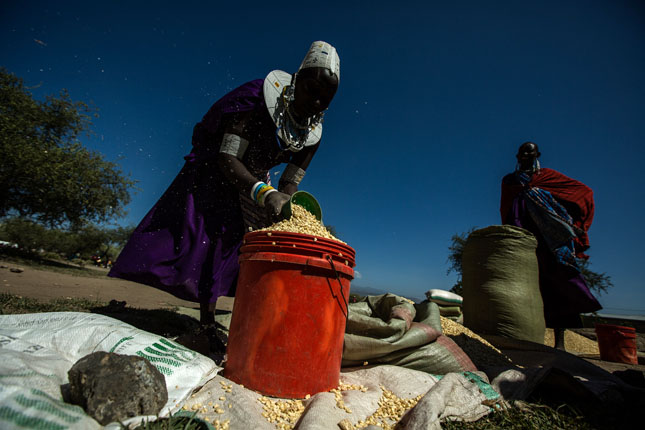
Between 2010 and 2015, Tanzania received more than $320 million in assistance via the U.S. government’s Feed the Future Initiative – the most of any country. But despite these commitments and an average of six to seven percent annual economic growth since 2000, Tanzania did not meet the first Millennium Development Goal: to reduce hunger and extreme poverty by half by the end of 2015.
-
How Effective Is the Extractive Industries Transparency Initiative? And a Transatlantic Food Security Strategy
›April 28, 2016 // By Gracie Cook Sovacool et al. in a study published in World Development compare the performance of the first 16 member countries of the Extractive Industries Transparency Initiative (EITI) to their performance before membership and to other non-member countries and find little difference in most governance and economic development categories.
 -
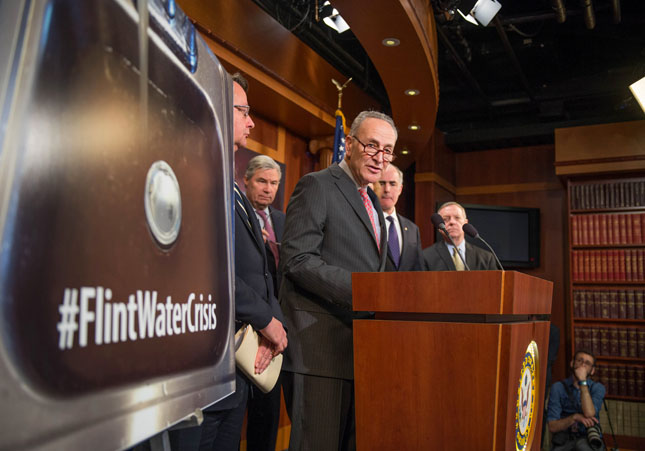
Flint Offers Lessons on How Citizen Collaboration Can Hold Governments Accountable
›A couple of weeks ago, the task force Michigan governor Rick Snyder appointed to investigate Flint’s now infamous water crisis issued its long-awaited report.
-
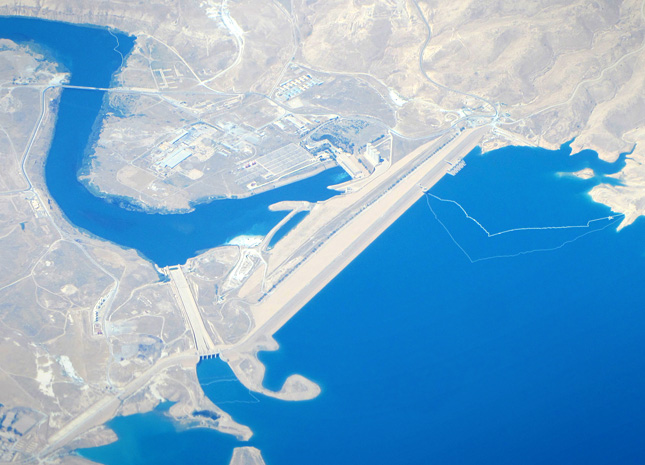
Turning the Impending Mosul Dam Disaster Into Opportunity
›Iraq has seen its share of calamities in recent years, but none is as dangerous as the impending failure of the Mosul Dam. A breach of the dam will result in a tsunami-like wave that sweeps through cities and hamlets along the Tigris River from Mosul to as far south as Amarah and even Basra. Baghdad would be submerged under five meters of water within four days. Not only do experts estimate the possible fatalities to range from 500,000 to more than 1 million, but consider the logistics of trying to provide electricity, drinking water, food, hospitals, transportation, and diesel for millions of people.
-
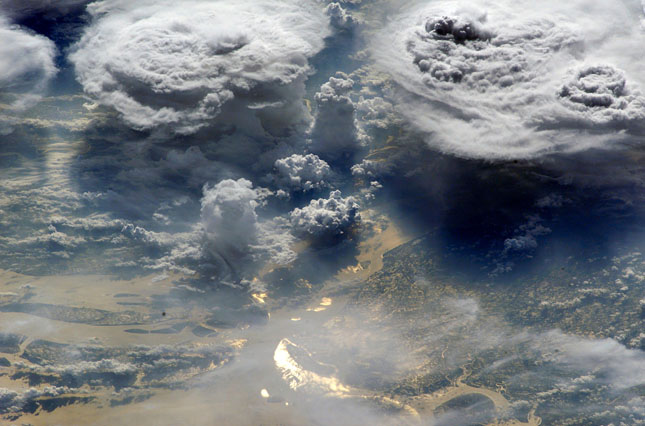
What Next? Climate Adaptation After Paris
›In December 2015, representatives from 195 nations gathered in Paris for the 21st Conference of the Parties (COP-21) to the UN Framework Convention on Climate Change. After two weeks of intensive negotiations, countries approved an agreement that charts new territory for global cooperation to address climate change. [Video Below]
-
Forecasting Development: Observations From Scenario Planning for Bosnia and Herzegovina
›I’m planning a road trip and I want to know what to pack. I could rely on what I’ve learned from past trips or what it looks like out the window right now, but what would really help are a weather forecast and a guidebook telling me what I might expect. It’s no guarantee against a wrong turn or two, but it will certainly better prepare me for the road ahead and help me take advantage of opportunities along the way.
-
Sharon Burke on How the U.S. Military Is Planning for Climate Change
›Climate change is impacting the U.S. military in two major ways, explains Sharon Burke in this week’s podcast. -
Protection and Prosperity: A New Environmental Research and Education Agenda for a Changing World
›March 30, 2016 // By Roger-Mark De SouzaSome, especially in the scientific community, get frustrated at the seeming lack of scientific literacy among the general public and policymakers. This is a two-part problem, however. The general public must understand the implications of science and data, yes, but it is also important for the scientific community to effectively convey their work and educate the next generation.
Showing posts from category cooperation.



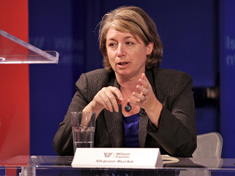 Climate change is impacting the U.S. military in two major ways, explains Sharon Burke in this week’s podcast.