-
Resolution 2250 and the Role of Young People in Building Global Peace and Security
›
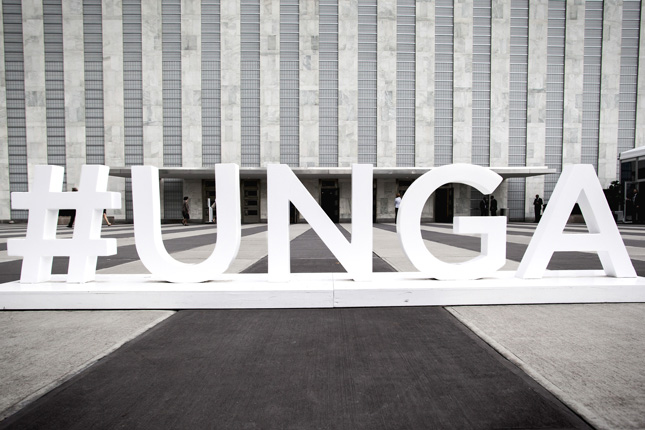
Since its adoption in December 2015, United Nations Security Council Resolution 2250 on youth, peace, and security has been hailed as the first of its kind to recognize young people as meaningful drivers of change through its explicit encouragement of youth leadership at all levels of conflict prevention and peacebuilding. “It’s a testament to the fact that global youth today can have a real meaningful impact on the big issues of today, in the big arenas where discussions are happening,” said Andy Rabens, a special advisor on global youth issues for the U.S. Department of State, at the Wilson Center on October 6.
-
Necessity Is the Mother of Invention: Islands as the Vanguard of Climate Adaptation
›
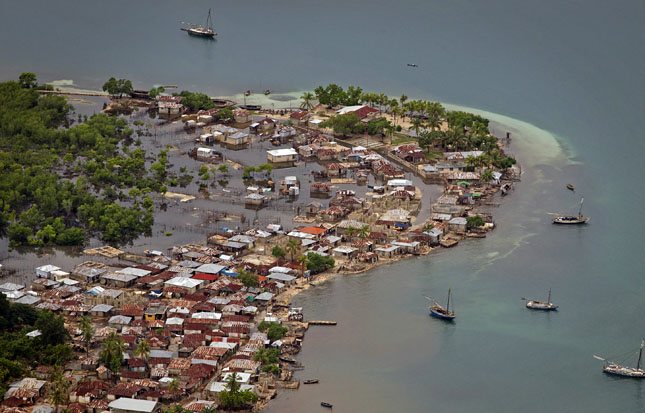
“Climate change is one of the greatest challenges of our time and it calls for a comprehensive and cooperative international approach like we’ve never seen,” said Jainey Bavishi, associate director for climate preparedness at the White House Council on Environmental Policy, at the Wilson Center on October 5. “The leadership of the island nations is essential; they punch well above their weight on this issue.”
-
Greener Ports for Bluer Skies in China
›If China is the globe’s most powerful manufacturing engine, the port of Shanghai is its fuel injection valve. This harbor is the world’s busiest, both in terms of tonnage and number of containers processed, allowing China to import the raw materials fueling its development and export the products that represent a significant share of the world’s economy.
-
As Ivory Becomes Bigger Issue, Environmental Peacebuilding Gaining Ground at IUCN World Congress
›A traditional conservation approach to climate change (e.g., habitat restoration, species protection) has been a primary tenet of the International Union for Conservation of Nature (IUCN) agenda for decades. But this fall at the quadrennial World Conservation Congress in Hawai’i there were new discussions about tackling climate change in the context of national security and environmental peacebuilding.
-
Student Activists Push Back Against Rising Tide of Municipal Waste in Rural China
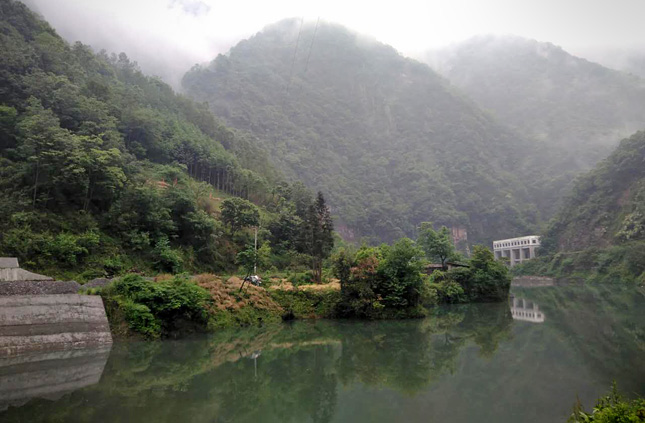
›Nestled in the mountains of western Sichuan Province sits the town of Piankou. Surrounded by three nature reserves that contain several hundred giant pandas, the landscape is undeniably beautiful. Rivers crash their way through rocky valleys framed by bamboo covered hills. But the scene was not always so tranquil.
-
What’s Next for the Environment at the UN? Bringing Rights to the Fore, Says Ken Conca
›October 13, 2016 // By Schuyler NullThe United Nations has made significant progress since the Stockholm Conference of 1972 in putting the environment on the global agenda. Indeed, the environment plays a major role in two of the largest UN initiatives today: the Paris climate accord and the Sustainable Development Goals. But in a new brief for the Friedrich Ebert Stiftung Foundation, Wilson Center Fellow Ken Conca writes that the traditional approach to environmental issues is running up against its limits.
-
Report: Deadly Miscues on the Brahmaputra an Argument for More Transboundary Cooperation
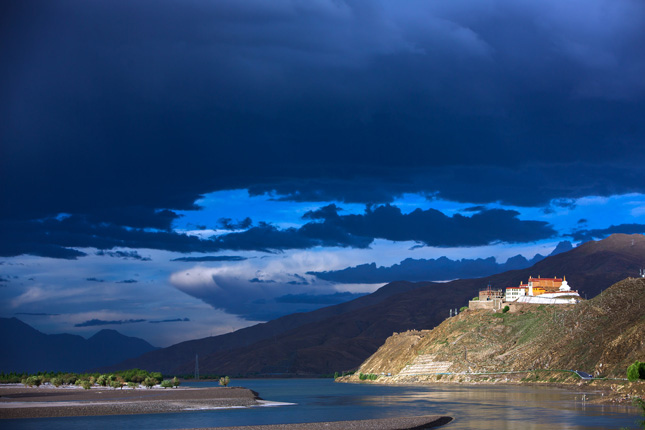
›Over the course of 1,800 miles, 5,300 vertical feet, and at least five name changes, the Brahmaputra River, in sometimes turbulent outbursts, flows from the Tibetan plateau to the Bay of Bengal. Along the way, it crosses three countries, including major geopolitical rivals China and India, and supplies 90 percent of downstream Bangladesh’s freshwater during the dry season.
-
Major Water Disputes Are Often Beyond War and Peace
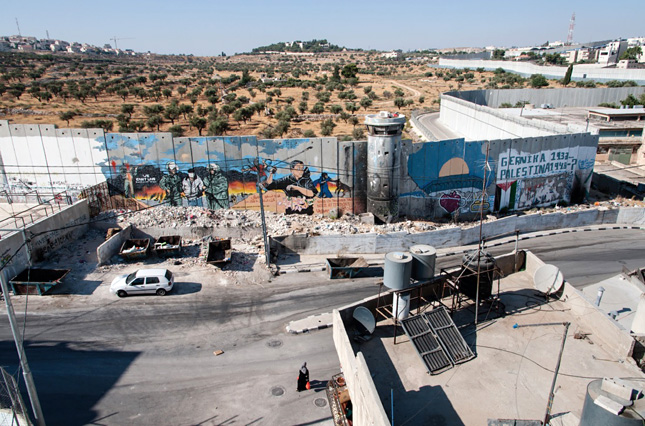
›Early this June, the Israeli government cut off drinking water to people living in the Salfit region of the West Bank and three villages east of Nablus. The consequences have been dire. Thousands of Palestinians have been left with no running water in their homes, and factories have been forced to shutter. The power imbalance that leaves Palestinians so vulnerable to Israeli turns of the valve plays out every year, made possible by Israel’s occupation of the water-rich Golan Heights in 1967. What is perhaps most surprising is that the situation persists.
Showing posts from category cooperation.