-
Peaceful Minefields: Environmental Protection or Security Risks?
›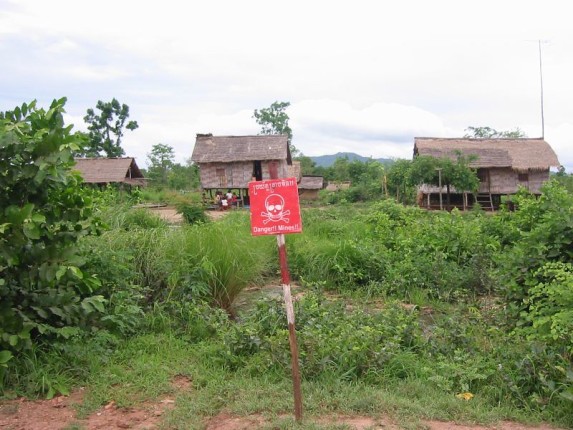
On my first tour of a Cambodian minefield in 2010, the demining supervisor of the platoon of deminers brought me through a tapioca field where heavily armored men and women stood in lines. I was not allowed beyond the bright red signs with skulls and crossbones. Wearing bulletproof helmets, masks, and aprons, they slowly and tediously walked through the field, using a metal detector to sweep the ground in front of them, the sun reflecting off the long plastic visor. To avoid the heat of the Cambodian sun, they began their work early in the morning. In the golden hour of sunrise as dawn gilded the fields, the sounds of a distant Buddhist temple surrounded us with chanting. I commented on how beautiful it was.
-
Don’t Bury Me in Trash — From Recycle to Reduce in West Papua: Q&A with Misool Foundation’s Virly Yuriken
›
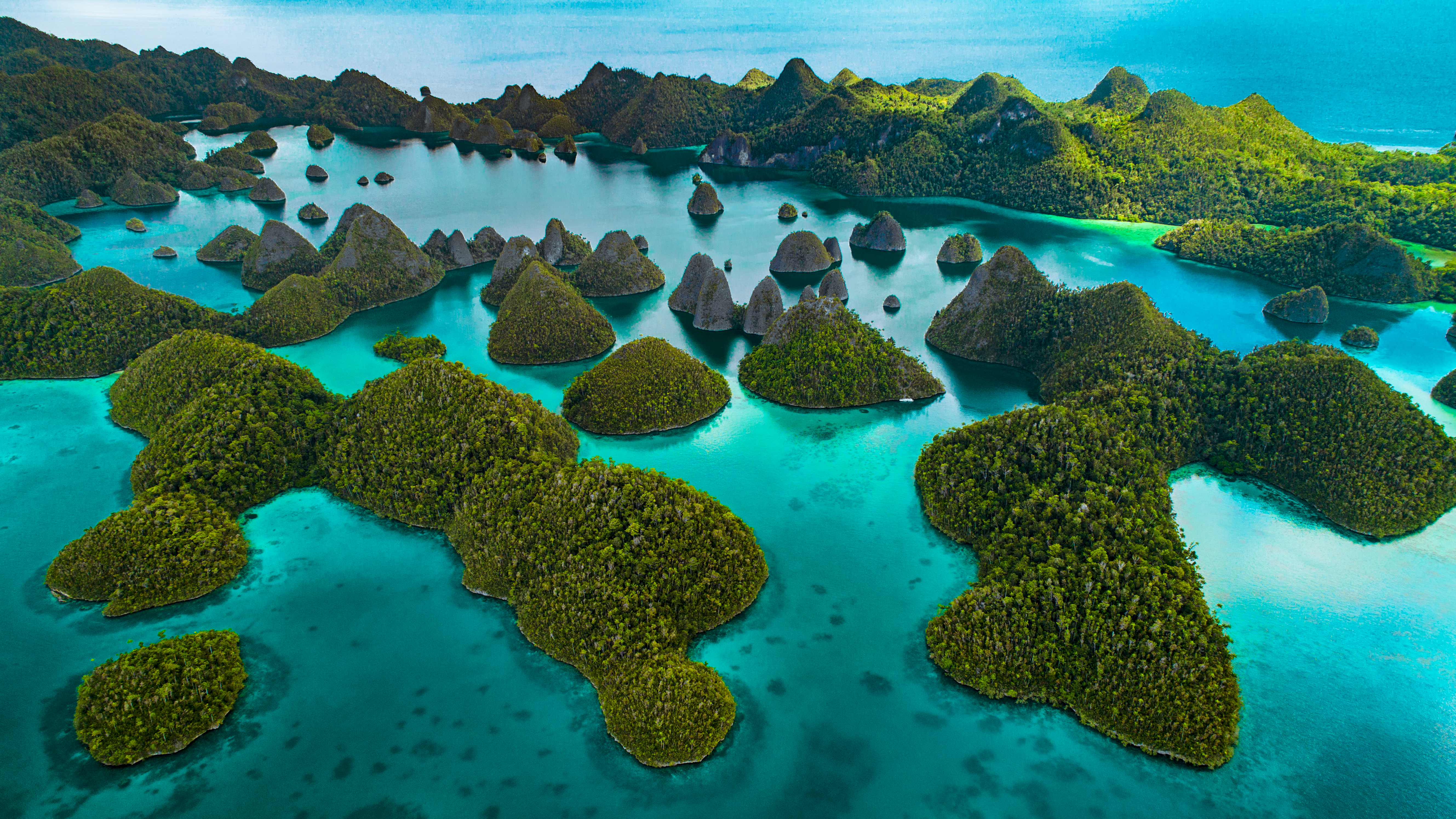
With white sandy beaches, cerulean waters, and lush jungles, Indonesia’s Raja Ampat Islands are some of the world’s most beautiful islands—and currently under threat from a growing plastic waste crisis. Covering 40,000 square kilometers of land and sea off the northwest tip of West Papua, Raja Ampat lies at the intersection of the Indian Ocean and Pacific Ocean tides in a biodiversity hotspot known as the Coral Triangle.
-
Sharon Guynup, Mongabay
Address Risky Human Activities Now or Face New Pandemics, Scientists Warn
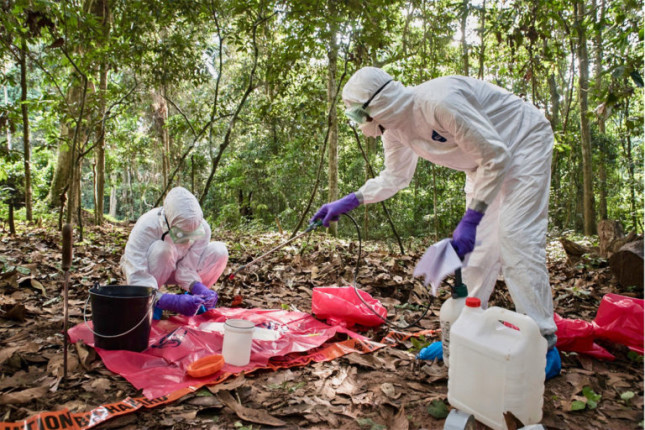
›In early 2020, as a novel coronavirus swept the globe, a little-known word entered dinner table conversation. COVID-19 was “zoonotic”: a disease that originated in animals, then evolved, breached the Darwinian divide, and jumped to humans. On March 11, 2020, the World Health Organization (WHO) declared a global pandemic.
Now, with another wave surging worldwide — and more than 600,000 new cases being diagnosed daily — a new fear-evoking word has entered the lexicon: “variant.”
-
The Top 5 Posts of June 2021
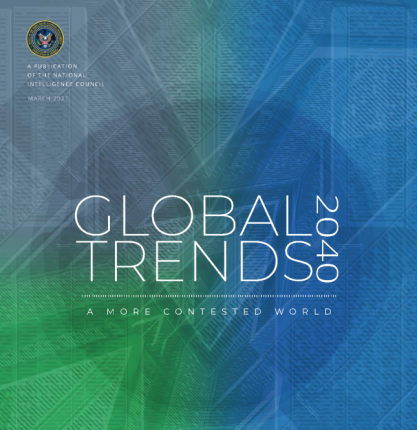
›In our top post for June, Steve Gale shares 5 consequences out of the National Intelligence Council’s recently released Global Trends report that development actors should be particularly attuned to. In addition to the “long tail” of the COVID-19 pandemic, the report recognizes the environmental consequences of climate change, including unprecedented numbers of wildfires, increased intensity of tropical storms, and sea-level rise. As a result, migration will be more pronounced and require more targeted aid approaches as demographics shift.
-
Raising Ambition: The Role of the Green Climate Fund in Building Capacity and Catalyzing Investment
›Coordinating international financing for climate adaptation and mitigation remains a persistent challenge. In its 2020 Adaptation Gap Report, the United Nations Environment Programme observes that the annual cost of climate adaptation in developing countries could rise from $70 billion today to $280-500 billion by 2050—and current funding levels are growing at too modest a pace to keep up.
-
Embracing Risk: Lessons Learned from Integrating Climate Adaptation and Biodiversity Conservation in Nepal
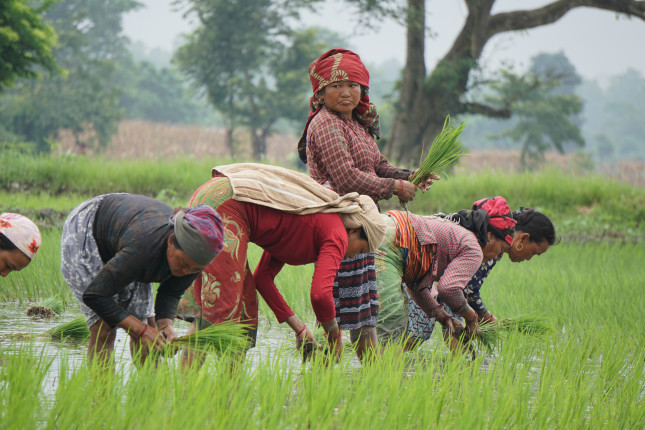
›The Hariyo Ban Program is one of the best examples of a sustainable development initiative that I’ve ever seen, said Nik Sekhran, Chief Conservation Officer of the World Wildlife Fund-US during a recent Wilson Center event on lessons learned from a decade of building resilience through participatory and inclusive natural resource management, climate adaptation, and biodiversity conservation in Nepal.
-
Sharon Guynup, Mongabay
Can ‘Slow Food’ save Brazil’s fast-vanishing Cerrado savanna?
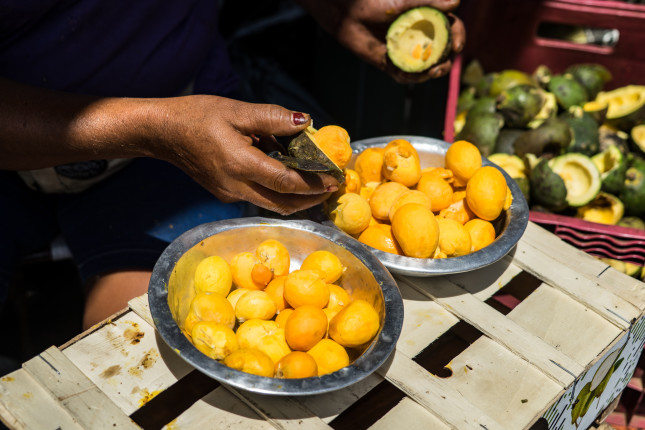
›April 2, 2021 // By Wilson Center StaffIt’s November in southeast Brazil, and the tall, feathery macaúba palms (Acrocomia aculeata) are beginning to drop ripe coconuts. By January, the ground is littered with them, as some 67 families that live nearby, outside the town of Jaboticatubas, get to work dragging the trove home.
This coconut serves as the lifeblood for these traditional farming communities in the Cerrado savanna in Minas Gerais state, Brazil. Archaeological sites trace its use back to at least 9,000 B.C.
Every part of the all-purpose coconut is used, from its delicious yellowish flesh to the nut at its core. It’s a favorite kids’ snack, and is used to make a highly nutritious flour, baked into bread and cookies. Livestock eat it too.
-
Improving America’s Ecological Security Requires Public-Private Partnerships
›In January, President Biden joined other world leaders in committing to conserve 30 percent of their nations’ lands and oceans by 2030. Also known as “30 by 30,” the pledge aligns government action with the growing recognition by the intelligence community that the loss of ecosystems and biodiversity presents serious risks to the U.S. economy and national security. Risks to the U.S. include the expanded likelihood of wildlife-borne diseases spilling over into our communities, water system challenges, decreased crop production, and increased natural disasters like floods.
Showing posts from category conservation.