-
Money Can Grow on Trees: Forestry Rights Reform for Decarbonization in China
›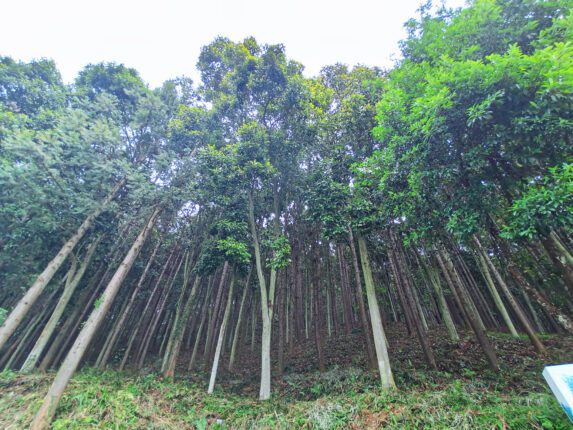
High in the remote mountains of western Fujian Province, Changkou—part of Sanming Prefectural City—became the first village to launch a new forestry carbon ticket system in May 2021. Changkou farmers have long received little benefit in managing forests because of fragmented forest land, high investment risks, and limited ownership rights. To solve those problems, the Sanming Forestry Bureau issued tickets to forestry farmers, granting them the right to receive stocks on their plots of forests by cooperating with farms in a certain period. Meanwhile, the carbon tickets grant farmers the right to earn carbon emission credits for their land and trees.
-
ECSP Weekly Watch: February 12 – 16
›
A window into what we are reading at the Wilson Center’s Environmental Change and Security Program
Food, Climate, and Conflict Nexus a Priority at the UN Security Council (Food and Agriculture Organization)
The United Nations Security Council’s High-Level Open Debate takes place in Guyana this week, and the signature event of that nation’s presidency is “The Impact of Climate Change and Food Insecurity on the Maintenance of International Peace and Security.” Several briefers have emphasized the interconnectedness between climate change and conflict, including Secretary-General António Guterres and UNFCCC Chair Simon Stiell.
-
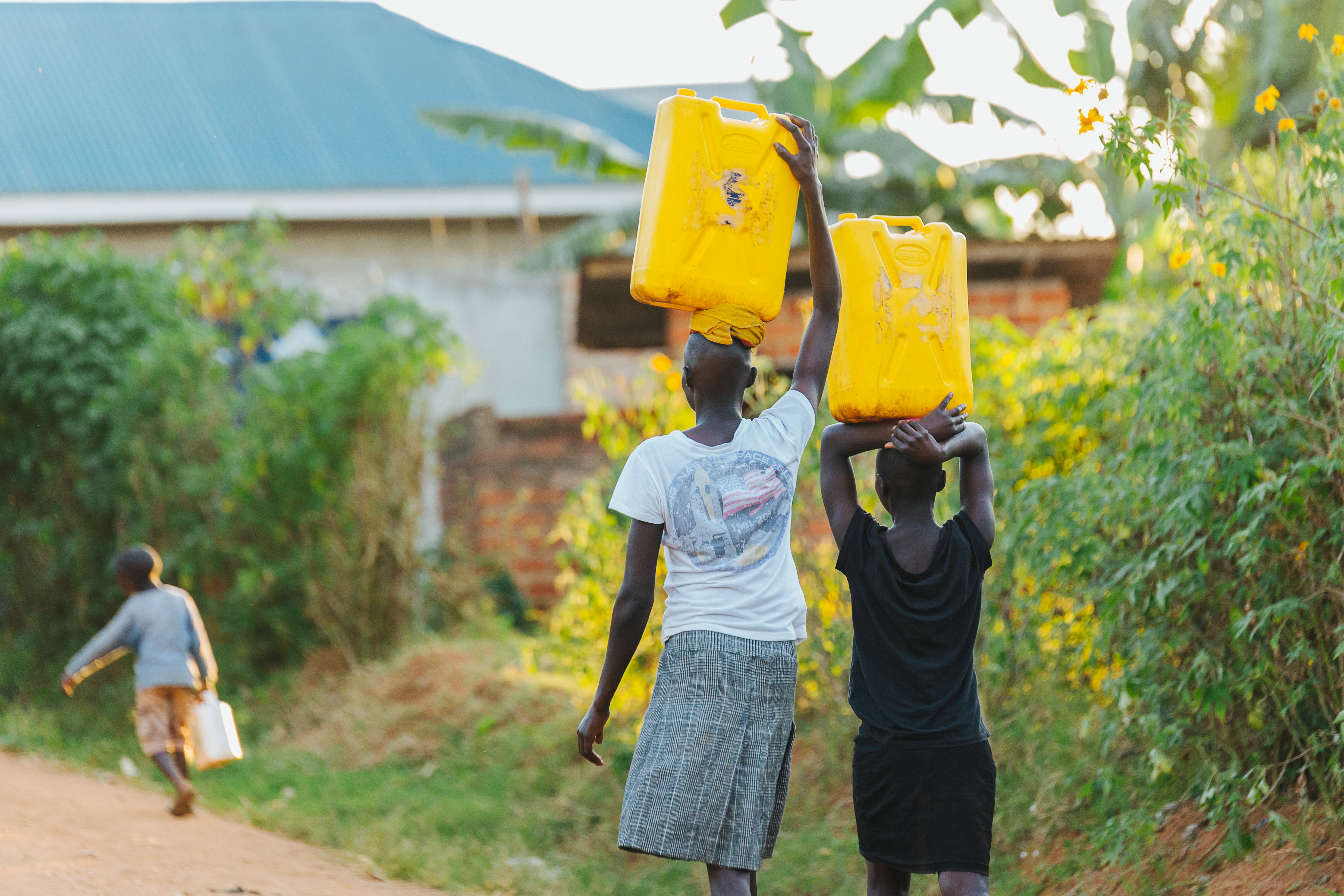
The Arc | Joanita Babirye on Women’s Climate Leadership in Uganda
› In today’s episode of The Arc, ECSP’s Claire Doyle and Angus Soderberg interview Joanita Babirye, Co-founder of Girls for Climate Action. Joanita shares her firsthand experiences with climate stressors and the broader impact of climate change on women in Uganda. But it’s also a story of hope: She tells us about her work training over 300 women in climate action and facilitating climate demonstration hubs, underscoring the role that women and girls can play as catalysts for change in the face of the climate crisis.
-
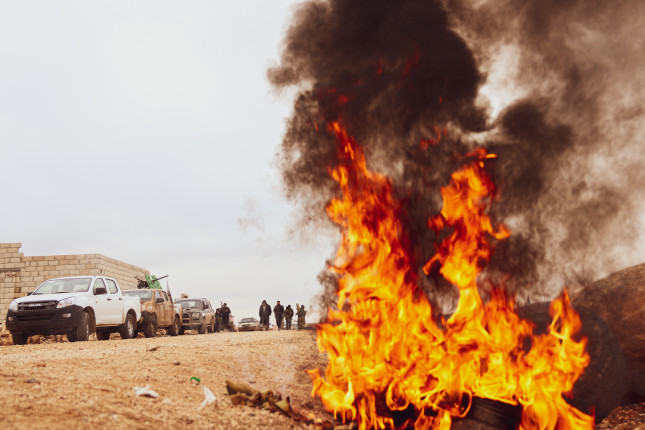
Recognizing the International Day for Preventing the Exploitation of the Environment in War and Armed Conflict
›In 2001, the UN General Assembly declared November 6 the International Day for Preventing the Exploitation of the Environment in War and Armed Conflict. In the 22 years since, both the impact of the exploitation of the environment during war—and the centrality of natural resources in establishing peace—have gained greater global recognition.
-
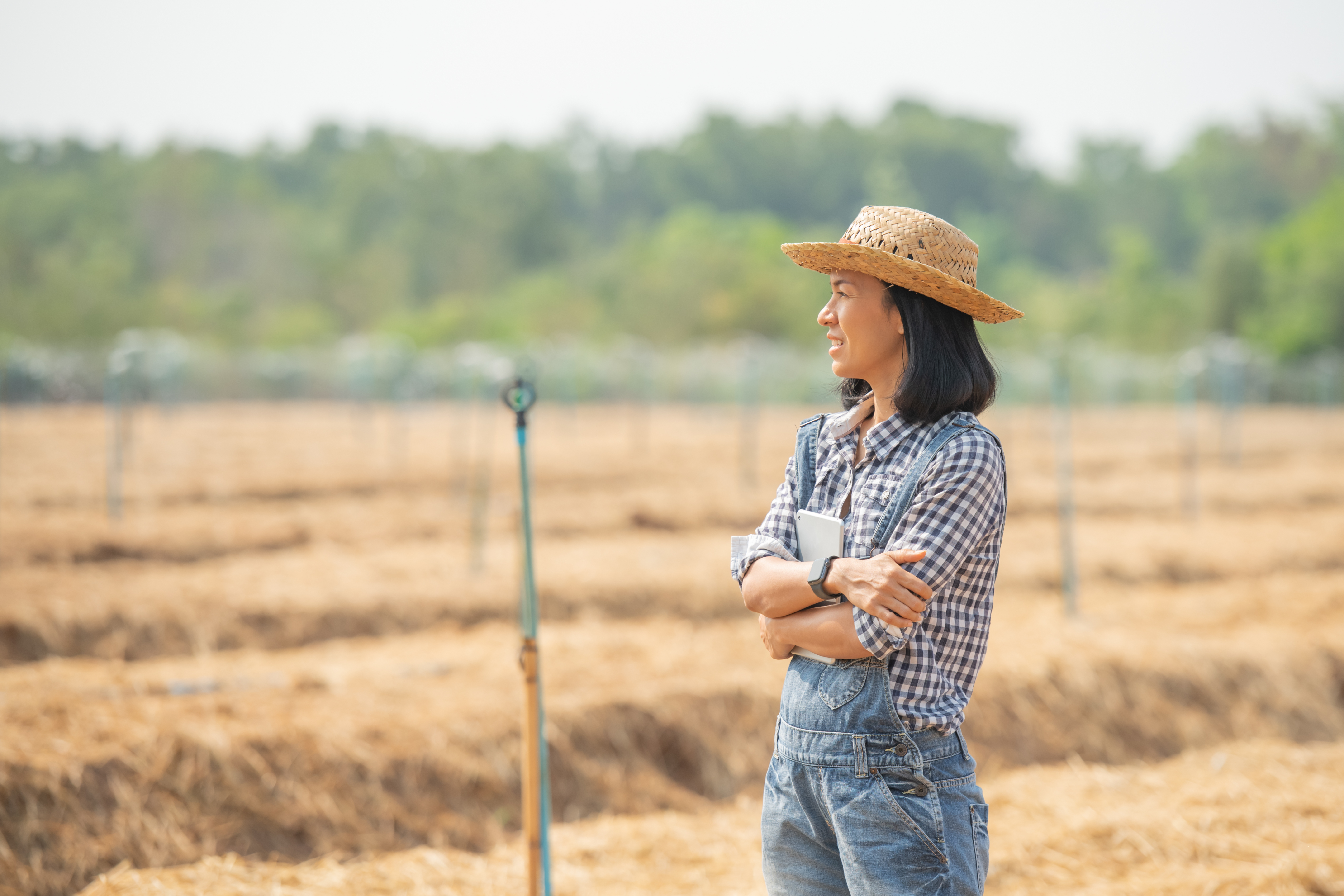
US and Chinese Farmers Adapting to a New Climate
›China Environment Forum // Cool Agriculture // Guest Contributor // October 12, 2023 // By Abigail OrdillasExtreme heat from climate change threatens food security in the world’s two food-producing superpowers. Climate adaptation for agriculture is a must. The US and China have much to share on climate-smart farming practices to help us both weather the storms and droughts. 2023 brought scorching heat waves that baked crops and livestock in China and the United States. In China, farm animals and fish died from extreme heat in June with some provinces enduring weeks of temperatures above 40°C (104°F). In one farm, a heatwave-triggered power outage resulted in hundreds of pigs suffocating to death after shed fans stopped working. -
PFAS ‘Forever Chemicals’ Harming Wildlife the World Over: Study
›This article, by Sharon Guynup, originally appeared on Mongabay.
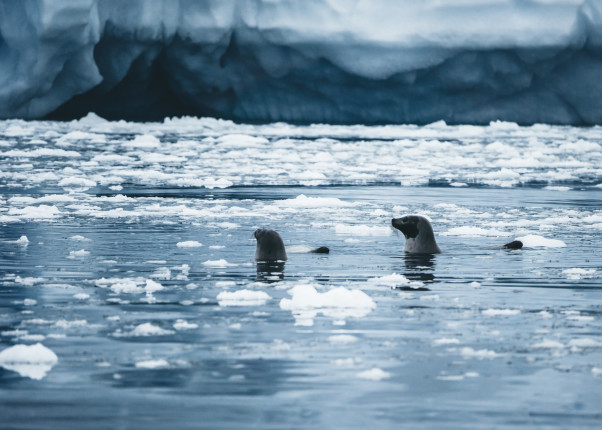
In Hawaii and elsewhere in the North Pacific, few hatchlings are emerging from the nests of endangered hawksbill and green sea turtles. In Wisconsin, some tree swallows have failed to produce offspring. In California, infectious diseases are now more common in southern sea otters. In Michigan, bluegills are swimming slower. In the Arctic, some hooded seals and their pups have thyroid problems. And in North Carolina’s Cape Fear River, American alligators have been found with lesions and unhealed, infected wounds.
-
ECSP Weekly Watch | September 18 – 22
›A window into what we are reading at the Wilson Center’s Environmental Change and Security Program
Converging Crises: Pakistan Flood Victims Face Rising Hunger
According to FAO, Pakistan ranks among the top-ten world producers of wheat, cotton, sugarcane, and mango—and it is the 10th largest producer of rice. But Pakistan is also atop another world ranking: vulnerability to the impacts of global warming.
-
ECSP Weekly Watch | July 17 – 21
›A window into what we are reading at the Wilson Center’s Environmental Change and Security Program
Extreme Heat’s Toll on Pregnancy and Reproductive Health
Preliminary data collected by the World Meteorological Organization (WMO) shows that the first week of July 2023 was the hottest week on record. Recent global heatwaves also prompted a public health alert from the WMO concerning rising health risks.
Showing posts from category conservation.