-
Environmental Security in Times of Armed Conflict
›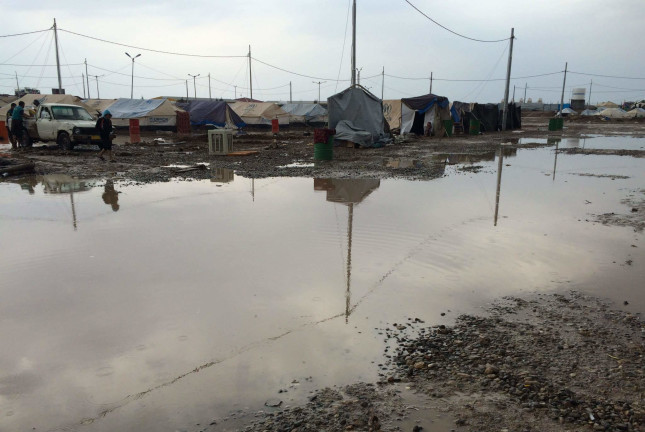
This summer, Iraqi citizens in Basra demonstrated in the streets to protest a serious public health crisis caused by polluted water. The condition of their water infrastructure was deplorable after years of devastating wars, corruption, and droughts and regional hydropolitics. More than 100,000 people have reportedly been poisoned by polluted water, while recent estimates warn that some 277,000 children are at risk of diseases, such as cholera due to rundown water and sanitation facilities at schools.
-
Warning: The Amazon May Soon Reach the Point of No Return on Forest Loss
›
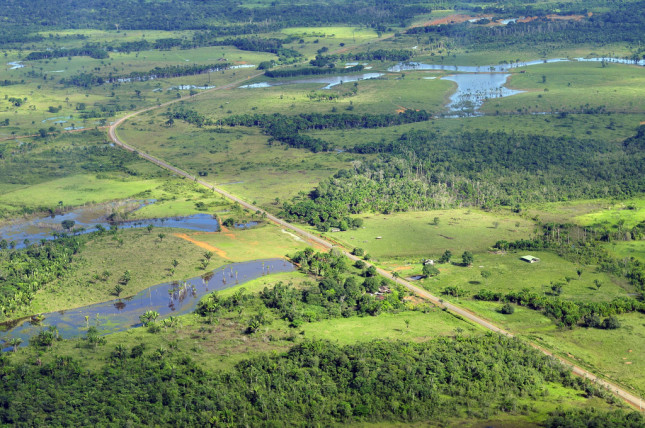
“What we do during this decade can be critical for the future of Amazonia,” said São Paulo Research Foundation member, Paulo Artaxo, at a recent Wilson Center event on efforts to support sustainability and development in the Amazon region. The recently accelerating environmental change in the Amazon region warrants greater collaboration between the civil and scientific communities on community and international scales, according to a panel of experts.
-
Evaluating Enterprise: Twenty Years of Conservation Through Sustainable Livelihoods
›“It’s not often that we have the opportunity to go back to a site 20 years later and see what happened,” said Cynthia Gill, Director of USAID’s Office of Forestry and Biodiversity during a recent Wilson Center event on a retrospective evaluation of the “conservation enterprise” approach to biodiversity. Conservation enterprises are income-generating activities that provide social and economic benefits and help meet conservation goals.
-
Bipartisan Lawmakers Fight Illegal Wildlife Trafficking, Promote Smart Development for Conservation
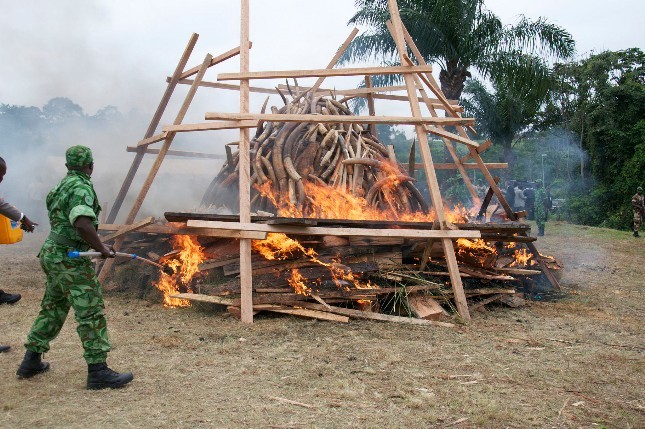
›“In the last decade, almost half of Africa’s elephants have been killed for their ivory, and some experts are predicting that both elephants and rhinoceros will be extinct by 2030,” said Nancy Lindborg, President of the U.S. Institute of Peace at a recent event on wildlife poaching and trafficking. The illegal trade in protected wildlife is worth US$7-10 billion—some of which has ended up in the pockets of armed groups like Al-Shabaab and the Lord’s Resistance Army, said Lindborg.
-
Measuring Impact: Building on Lessons Learned to Improve Biodiversity Conservation
›“Functioning natural systems are critical to human survival itself,” said Carrie Thompson, Deputy Assistant Administrator of the Bureau for Economic Growth, Education and Environment at USAID, at a recent Wilson Center event on USAID’s efforts to increase the effectiveness of its biodiversity conservation programs. Measuring Impact was designed to help support USAID’s 2014 Biodiversity Policy, which is “grounded in a recognition that human well-being and progress are dependent on the health of biodiverse systems and [that] durable development gains are not possible unless these systems are valued and safeguarded,” said Cynthia Gill, Director of USAID’s Office of Forestry and Biodiversity.
-
Reaching for Resilience in East Africa
›“Resilience isn’t an outcome, it is a process—and capacity-building is crucial,” said Chelsea Keyser, Deputy Chief of Party for USAID’s PREPARED program, during a recent event at the Wilson Center marking the end of the five-year project. PREPARED (Planning for Resilience in East Africa Through Policy, Adaptation, Research, and Economic Development) developed 14 different tools to help communities adapt to the impacts of the changing environment in the East African region, including unreliable rainfall and rising temperatures.
-
How Family Planning Can Help Save Cheetahs
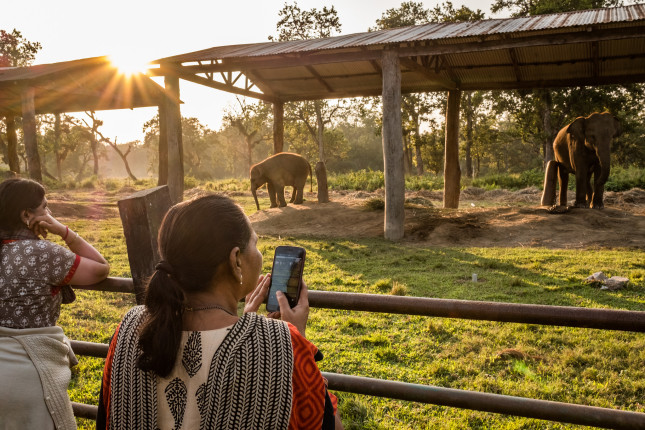
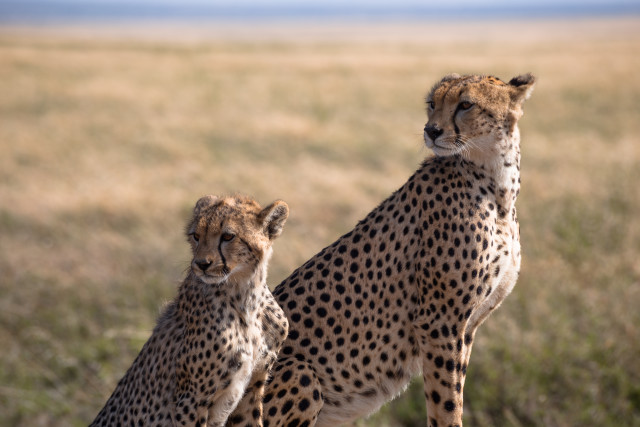
›Conservationists and development practitioners may not have always seen eye to eye, but a new partnership between a cheetah conservation charity and a network of reproductive health NGOs is making the case for why these groups need to work more closely together.
-
Granting Rivers Legal Rights: Is International Law Ready for Rights-Centered Environmental Protection?
›Last year, four rivers were granted legal rights: the Whanganui in New Zealand, Rio Atrato in Colombia, and the Ganga and Yamuna rivers in India. These four cases present powerful examples of the increasing relevance of rights-centered environmental protection. Like corporations, which have legal rights in many jurisdictions, these rivers are rights-bearing entities whose rights can be enforced by local communities and individuals in court. But unlike corporations, these rights are not yet recognized in international treaties. Which raises the question: what are the implications of rights for nature for international environmental law?
Showing posts from category conservation.