-
Engineering the Climate—or Deploying Disaster? Applying Just War Theory to Geoengineering
›
As the national security ramifications of climate change grow more pronounced, climate manipulation technologies, known as geoengineering, will become more attractive as a method of staving off climate-related security emergencies. However, geoengineering technologies could disrupt the global ecological status quo, and could pose a potentially coercive (and very serious) threat to peace. Is it possible to obtain the potential benefits of these game-changing technologies, while avoiding spurring violence and conflict? In a recent article in Strategic Studies Quarterly, we argue that just war theory—which defines the concepts of “right” and “wrong” in warfare—could provide ethical standards for security decision-makers as they consider whether or how geoengineering should be used to address the climate challenge.
-
Criminal Elements: Illegal Wildlife Trafficking, Organized Crime, and National Security
›
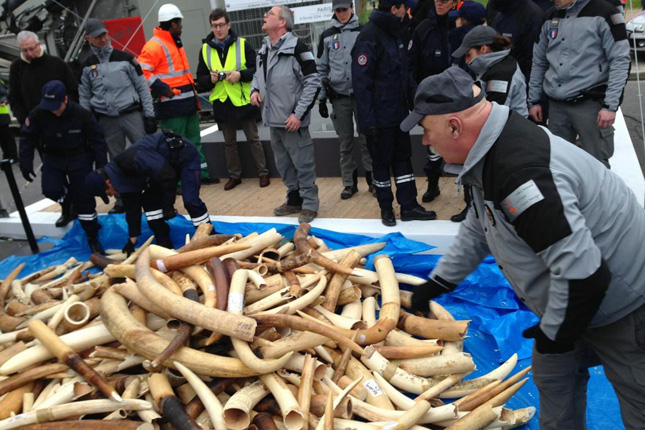
“The same criminals that are trafficking in drugs, guns, and people, traffic in wildlife,” said Christine Dawson, the director of the Office of Conservation and Water at the U.S. Department of State, at a recent event in the Wilson Center’s “Managing Our Planet” series. Experts from Vulcan Productions and Brookings Institution joined Dawson to discuss the links between national security and wildlife trafficking, which is now the fourth largest transnational crime in the world, and to mark recent legislative successes and innovative tools.
-
The “Most Important Issue We Face”: New U.S. Global Strategy for Water Emphasizes Health and Security
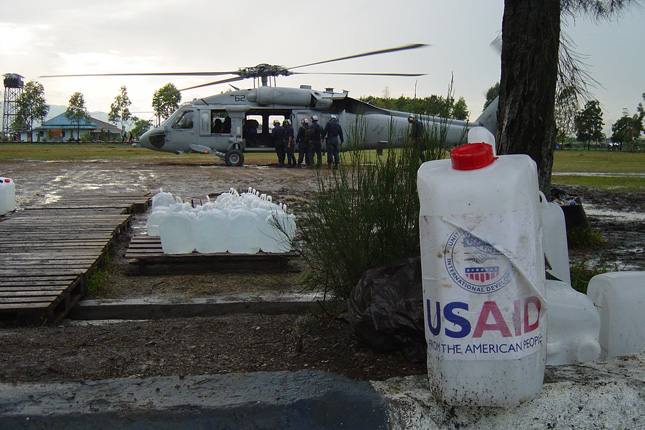
›“Water may be the most important issue we face for the next generation,” writes President Donald J. Trump on the first page of the first-ever U.S. Global Water Strategy. Prepared by the U.S. State Department and released in mid-November, the landmark report was required by Congress’ bipartisan Senator Paul Simon Water for the World Act of 2014. During the public comments phase, the New Security Beat published recommendations from its fellows and experts. Now that it is out, we’ve asked them to share their thoughts on the final report.
-
Top 5 Posts for September 2017
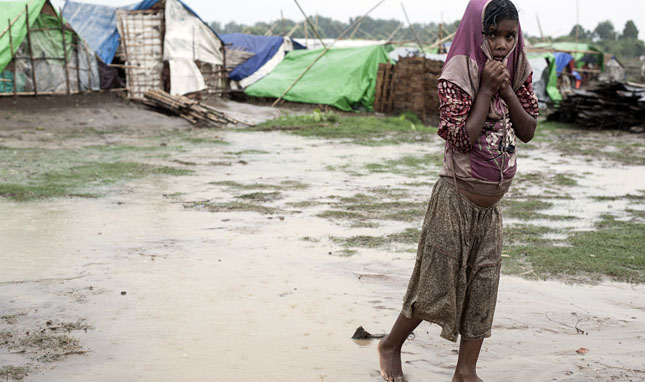
›Myanmar’s inter-ethnic disputes undermine an otherwise favorable backdrop for a peaceful democratic transition, write Rachel Blomquist and Richard Cincotta in New Security Beat’s most read story last month. Their analysis was published in April 2016, but it presciently foreshadows the current crisis. Through their multi-dimensional assessment of the demographic tension in Myanmar, the authors show that “[t]he path to democracy seems to cut directly through the Rohingya issue.”
-
Tomorrow May Be Too Late: Military Leaders Testify on National Security Challenges of Climate Change
›September 11, 2017 // By Amanda KingAs the Senate returns from recess, passing the annual National Defense Authorization Act will be one of its top priorities—and this year it could include a potentially controversial amendment directing the Pentagon to assess the impact of climate change on national security. In the House, the Langevin amendment surprisingly garnered enough Republican support to withstand a challenge in July. Since then, two more senior military appointees have testified to the importance of understanding the challenges climate change poses to national security.
-
Feeding the Future? One Year After the Global Food Security Act
›“The United States should maintain a unique leadership role in global food security,” said former Senator Richard Lugar at a recent Center for International & Strategic Studies event, “The U.S. Global Food Security Strategy: Progress, Setbacks, and Forward Momentum,” which marked the one-year anniversary of the passage of the Global Food Security Act. Signed into law on July 20, 2016, the act required the interagency Feed the Future initiative to develop the first-ever U.S. Global Food Security Strategy.
-
Security Links: An Emerging Congressional Common Ground on Climate Change?
›July 26, 2017 // By Lauren Herzer RisiEarlier this month 46 House Republicans voted with Democrats to protect an amendment in the current National Defense Authorization Act that acknowledges that “climate change is a direct threat to the national security of the United States” and requires the secretary of defense to provide “a report on the vulnerability to military installations and combatant command requirements resulting from climate change over the next 20 years.”
-
Mattis Latest in Succession of Senior Military Leaders to Warn About Climate Change
›March 17, 2017 // By Schuyler NullThis week, newly minted Secretary of Defense James Mattis joined a long list of senior U.S. military leaders who have warned about the national security threats of climate change.
Showing posts from category Congress.