

-
El Niño Affects Food for 80 Million, “Paradigm Shift” Needed in Disaster Risk Assessment
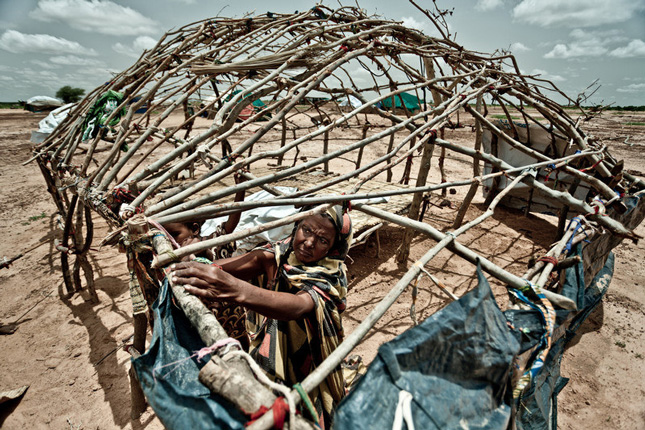
› A report by the European Union on global food security finds 240 million people are in food stress thanks to conflict, refugee situations, flooding, drought, and El Niño. Part of a 2012 commitment by the EU to better target the root causes of food insecurity, the report analyzes the hunger situation in 70 countries and provides deeper analysis for 20.
 -
Hunger in Shangri-La: Causes and Consequences of Food Insecurity in the World’s Mountains
›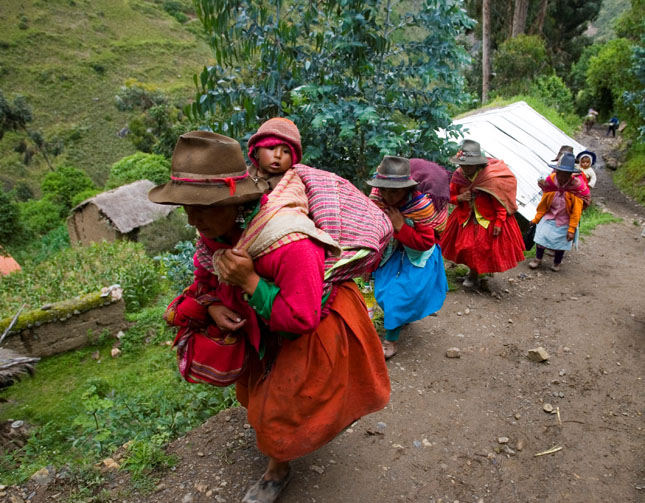
Over the past decade, the number of undernourished people around the world has declined by around 167 million, to just under 800 million people. However, this positive trend glosses over a stark reality: Food insecurity is increasing in the world’s mountains. This pattern has been under-recognized by development experts and governments, a dangerous oversight with far-reaching social and environmental repercussions.
-
Peace After Paris: Addressing Climate, Conflict, and Development
›2015 was a historic year for international commitments to sustainable development, climate change action, and new kinds of peacebuilding. For governments and policymakers, now comes the difficult task of living up to those commitments. [Video Below]
-
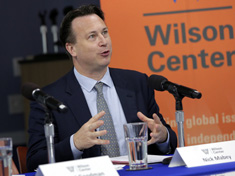
Paris Was a Success, But the Climate-Security Response Is Lagging, Says Nick Mabey
›
In the months leading up to the United Nations conference on climate change in Paris last fall, expectations were high. And the result actually exceeded those expectations in many respects, says Nick Mabey, director and chief executive at the environment consultancy E3G, in this week’s podcast.
-
Minister Louise Mushikiwabo: “Rwanda Has Had to Make Extremely Difficult Choices”
›Last month Rwanda Minister of Foreign Affairs and Cooperation Louise Mushikiwabo spoke at the Wilson Center on a wide-ranging set of issues, from the country’s development successes to the prominent role women have played in post-genocide society.
-
Should the UN Security Council Take Up Climate Security Issues? Ken Conca on Institutional Change
›As the dust settles on the newly minted Sustainable Development Goals (SDGs) and Paris climate agreement, countries have begun tackling operational questions aimed at limiting global warming to two degrees Celsius and ensuring peaceful, sustainable development. -
When Climate Change Exacerbates Conflict, Women Pay the Price, Says Mayesha Alam
›Climate change has the potential to exacerbate conflict and political instability, and women will pay a steeper price than their male counterparts when it does, says Mayesha Alam, associate director of the Georgetown Institute for Women, Peace, and Security, in this week’s podcast. -
Water Is the Climate Challenge, Says World Bank
›May 6, 2016 // By Schuyler NullHow will climate change affect you? Probably through water.
That’s the major message of a new World Bank report that finds the ways governments treat water can have a profound effect on the economy.
Showing posts from category conflict.
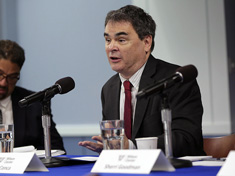 As the dust settles on the newly minted Sustainable Development Goals (SDGs) and Paris climate agreement, countries have begun tackling operational questions aimed at limiting global warming to two degrees Celsius and ensuring peaceful, sustainable development.
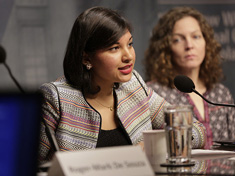 Climate change has the potential to exacerbate conflict and political instability, and women will pay a steeper price than their male counterparts when it does, says Mayesha Alam, associate director of the

