-
Security Links: An Emerging Congressional Common Ground on Climate Change?
›July 26, 2017 // By Lauren Herzer Risi
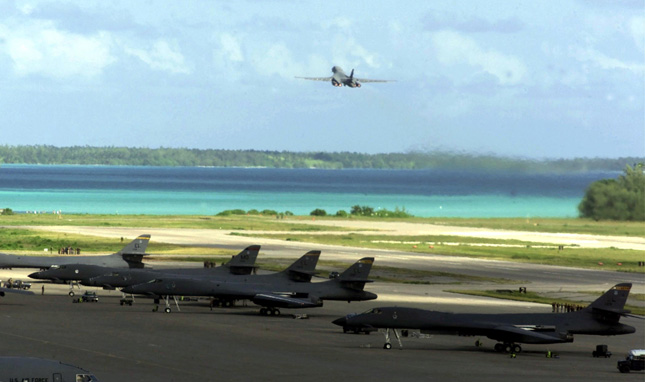
Earlier this month 46 House Republicans voted with Democrats to protect an amendment in the current National Defense Authorization Act that acknowledges that “climate change is a direct threat to the national security of the United States” and requires the secretary of defense to provide “a report on the vulnerability to military installations and combatant command requirements resulting from climate change over the next 20 years.”
-
To Fight Global Water Stress, U.S. Foreign Policy Will Need New Strategic Tools
›
Capable of upending rural livelihoods, compromising institutions of governance, and inducing new patterns of migration and crime, global water stress has emerged as one of the principal threats to U.S. national security, said David Reed, senior policy advisor at the World Wildlife Fund (WWF) and editor of WWF’s new book, Water, Security and U.S. Foreign Policy, on June 27 at the Wilson Center. Four defense and development leaders – retired U.S. Marine Corps General James L. Jones; Paula Dobrianksy, vice chairwoman of the National Executive Committee of the U.S. Water Partnership; retired U.S. Navy Admiral Lee Gunn, vice chairman of the CNA Military Advisory Board; and Kristalina Georgieva, chief executive of the World Bank – joined Reed for a panel discussion of water’s central role in global stability and prosperity.
-
People not Polar Bears: National Security and the Changing Climate
›“If we really cared about the polar bears, we would have done something,” quipped retired U.S. Navy Rear Admiral David Titley, who gave an Environmental Research and Education Distinguished Lecture at the National Science Foundation on June 27, 2017. Titley framed climate change in terms of U.S. national security interests, focusing on infrastructure, the changing Arctic, and how environmental factors can exacerbate conflict.
-
In Lesotho, Population Pressures Have Created a Perfect Storm of Human Insecurity
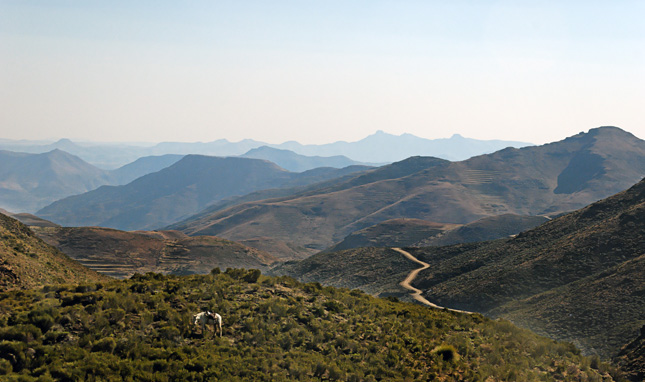
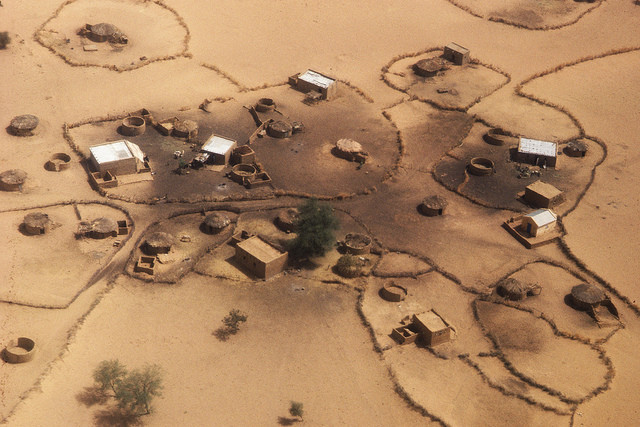
›Since declaring its independence in 1966, Lesotho has faced severe challenges to virtually every dimension of human security, writes Eugene Linden in a recent New York Times opinion article. In recent years, drought – coupled with widespread soil erosion and rapid population growth – has pushed a large portion of Lesotho’s two million people to the verge of starvation, which Linden calls “just one example of how fragile the future seems for Africa, large parts of which face the prospect of new famine and, in consequence, further catastrophic displacement within and among their growing populations.”
-
The UN Wants to Respond to Climate Change and Prevent Conflict, But When?
›A slightly modified version of this article originally appeared on the Resilience Compass.
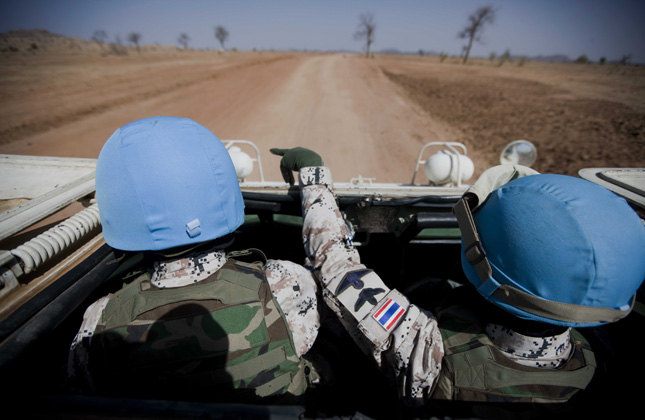
Climate change, civil conflict, and violent extremism are among the most significant threats to human development, peace, and security around the globe. Addressing all three requires immediate action by the United Nations to prevent future crises, yet crucial investments may not yield tangible results for years to come—well beyond democratic term limits.
-
Top 5 Posts for June 2017
›Water, water everywhere but not a drop to drink: All five of the most popular posts last month focused on water scarcity.
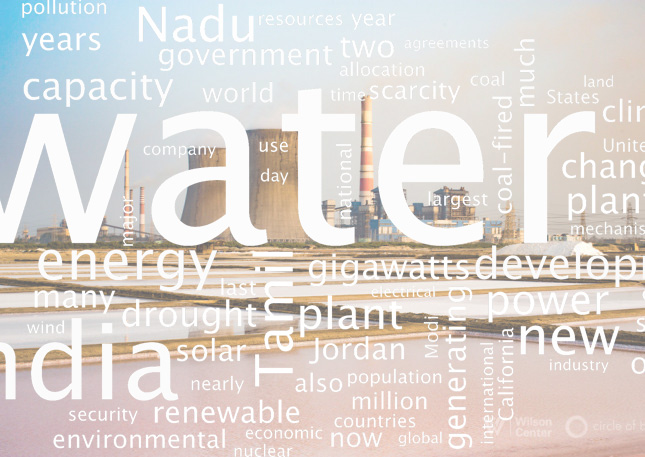
The final two parts of our “Choke Point: Tamil Nadu” series, which explores the conflicting demands for water, food, and energy in the South Indian state, took the top spots. In June’s most popular post, Circle of Blue’s Keith Schneider reports on Tamil Nadu’s leadership in India’s transition to solar and wind energy, which use far less of the country’s scarce water resources than coal and nuclear power plants. Schneider also wrote “New Media Helps Galvanize Tamil Nadu to Fight a Toxic Legacy,” which describes an environmental activist’s fight against industrial water contamination.
-
David Reed, World Wildlife Fund-US
U.S. National Security and Prosperity Under Rising Pressure From Water Stress
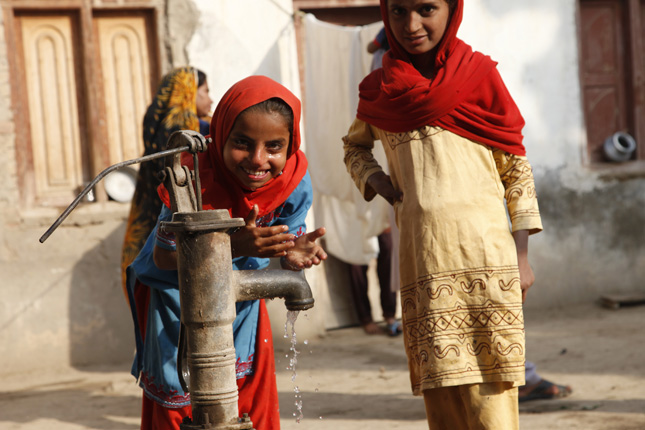
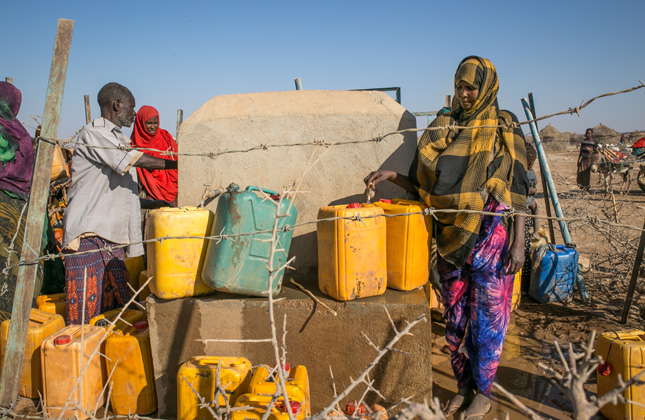
›U.S. prosperity and national security depend directly on the prosperity and stability of our partner countries and competing countries around the world. Today, water-driven stresses are, with increasing frequency, undermining economic productivity, weakening governance systems, and fraying social cohesion. Water scarcity has created a context of human and societal need wherein water stress has undermined the vitality of rural livelihoods, driven broad migratory movements, become a weapon of war, contributed to the growth of insurgencies and terrorist networks, and given rise to increased demand for U.S. development, humanitarian, and military assistance.
-
Climate, Conflict, and Refugees: Examining the Impact of Environmental Change on Human Security
›“There’s a long list of crises that can have a natural resource base,” said Anne C. Richard, former assistant secretary of state for population, refugees, and migration, at a Stimson Center panel on June 13, 2017, on the impacts of climate change on human security and mobility. The panelists included Kelly McFarland of Georgetown’s Institute for the Study of Diplomacy (ISD), Rod Schoonover of the National Intelligence Council, and Sally Yozell, director of Stimson’s Environmental Security Program.
Showing posts from category conflict.