

-
New Report Addresses Climate and Fragility Risks in the Lake Chad Region
›May 15, 2019 // By Truett Sparkman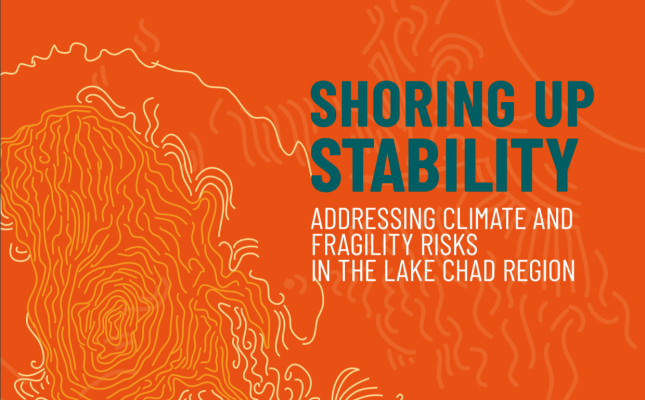
Contrary to popular belief, Lake Chad is not shrinking, according to Shoring up Stability: Addressing Climate and Fragility Risks in the Lake Chad Region, a new report from adelphi. This finding has profound implications for how the governments of countries bordering Lake Chad (Nigeria, Niger, Chad, and Cameroon) as well as the international community should address the conflict trap in which the people of the region are caught. “Supporting the people of the basin,” write the authors, “is not a function of saving Lake Chad from desiccation.”
-
Fostering Citizen Enforcement and Rule of Law Could Cut Down Illegal Logging
›
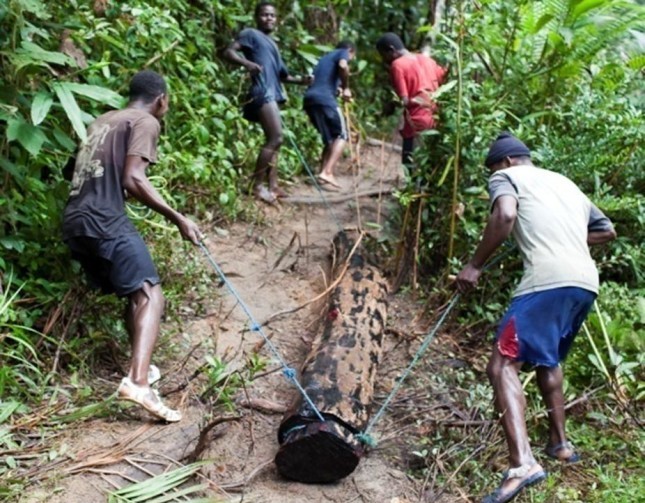
“The trade in illegal timber products—those harvested and exported in contravention of the law of the producer country—is entangled in corruption, conflict, insecure land rights, and poor governance,” said Sandra Nichols Thiam, Senior Attorney of the Environmental Law Institute. She moderated a panel titled “Citizen Enforcement in the Forestry Sector” hosted by the Environmental Law Institute that explored illegal logging within the forest sector. Illegal harvesting of timber accounts for roughly 50 percent to 90 percent of forest activities in major producing countries within the Amazon Basin, Central Africa and Southeast Asia, said Thiam. This illegal timber trade is estimated to be worth from $30 billion to 100 billion dollars annually. Dismantling this extensive illegal enterprise would help promote biodiversity conservation, climate mitigation, human rights and sustainable development.
-
From Resolution to Solution: UNEA’s Unique Opportunity to Tackle Environmental Dimensions of Armed Conflicts
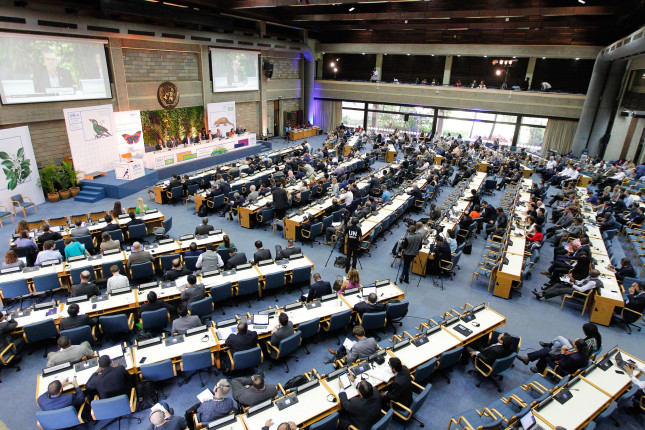
›When the Fourth Session of the UN Environment Assembly (UNEA-4) takes place in Nairobi starting March 11, governments, international organizations, and civil society organizations will discuss issues on the theme of innovative solutions for environmental challenges and sustainable consumption and production with over 30 draft resolutions submitted for discussion. With few international forums where the environmental dimensions of conflict can be properly discussed, we were optimistic about the past resolutions tackling this topic.
-
Where Life Begins: Reducing Risky Births in a Refugee Camp
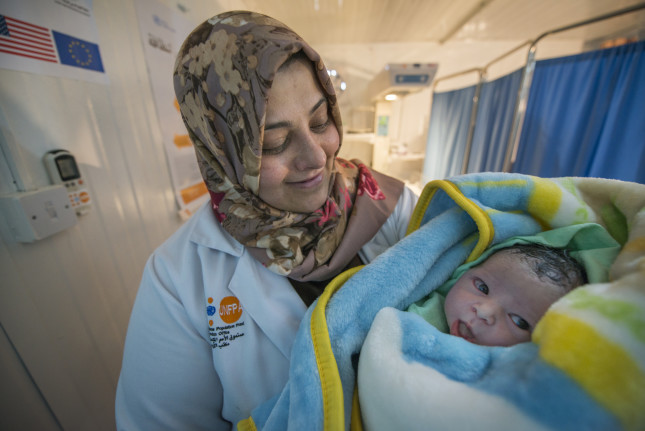
›Zaatari camp, the largest Syrian refugee camp in the world, sits less than 12 kilometers away from the border between Syria and northern Jordan. Rows of houses disappear into the desert, making it hard to tell where the camp begins and ends. Metal containers pieced together like patchwork are home to around 80,000 refugees. The remnants of tattered UNHCR tents cover holes in the walls. Almost seven years after the camp opened, this dusty sea of tin roofs has evolved into a permanent settlement.
-
U.S. Intelligence Community Recognizes Climate Change in Worldwide Threat Assessment
›February 5, 2019 // By Isabella CaltabianoThe 2019 Worldwide Threat Assessment of the US Intelligence Community, released on January 29, mentions climate change as a threat that is “likely to fuel competition for resources, economic distress, and social discontent through 2019 and beyond.” The report features new topics such as election interference and threats to economic competitiveness while still including continuing threats such as cyber espionage and attacks, terrorism, and climate change. As a statement from Director of National Intelligence (DNI), Daniel R. Coats, for the Senate Select Committee on Intelligence, the assessment provides an overview of the national security threats facing the nation.
-
Anticipatory Intelligence: Climate Change in the National Intelligence Strategy
›January 29, 2019 // By Marisol MaddoxOn January 22, Director of National Intelligence (DNI) Daniel R. Coats released the National Intelligence Strategy (NIS) for 2019, which represents a departure from the last such strategy. While the previous 2014 National Intelligence Strategy specifically noted that food, water, and energy resource insecurity contribute to instability, the 2019 NIS does not mention these concerns beyond a single reference to climate change and resource scarcity as “pressure points.”
-
50 Years of Water at Wilson: Water, Conflict, and Cooperation (Part 1 of 2)
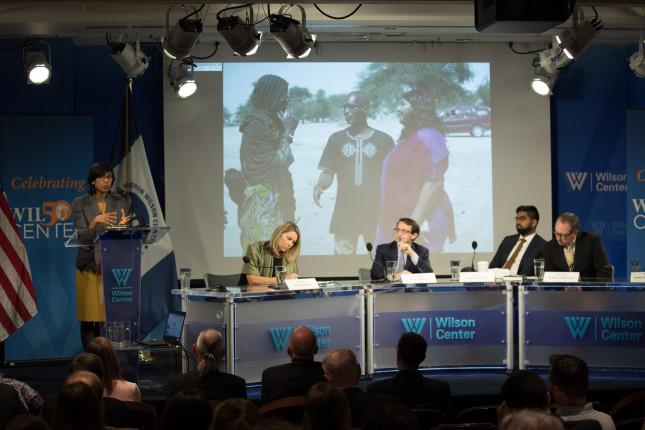
›A number of countries across North Africa, the Middle East, into Central and South Asia are “at risk of failure if they can’t get the water equation right,” said Aaron Salzberg of the U.S. Department of State, at a recent Wilson Center event celebrating 50 years of working on water’s connection to conflict and cooperation. The event brought together experts from government, NGOs, and academia for a comprehensive look at the first year of the U.S. Global Water Strategy and new research and practice on water, peace, and conflict. Either now or sometime in the near future, said Salzberg, if fundamentally water insecure countries lacking access to sustainable supplies of safe drinking water and basic sanitation do not address their water problems, they will face increased risk of failure and greater fragility.
-
How Gender and Climate Change Can Be Integrated Into Military Operations (Book Preview)
›As the United States develops a strategy to guide all military services on how to promote the participation of women in conflict prevention, management, and resolution, and to better protect women and girls in situations involving armed conflict, it could supplement the work already being done in the Department of Defense by studying the examples of other countries and international organizations. When shaping its framework, it should also consider the links between conflict, women, and climate change in developing best practices.
Showing posts from category conflict.
 As the United States develops a strategy to guide all military services on how to promote the participation of women in conflict prevention, management, and resolution, and to better protect women and girls in situations involving armed conflict, it could supplement the work already being done in the Department of Defense by studying the examples of other countries and international organizations. When shaping its framework, it should also consider the links between conflict, women, and climate change in developing best practices.

