-
No Peace at COP30? Why That’s a Risk the World Can’t Afford
›November 10, 2025 // By Nazanine Moshiri
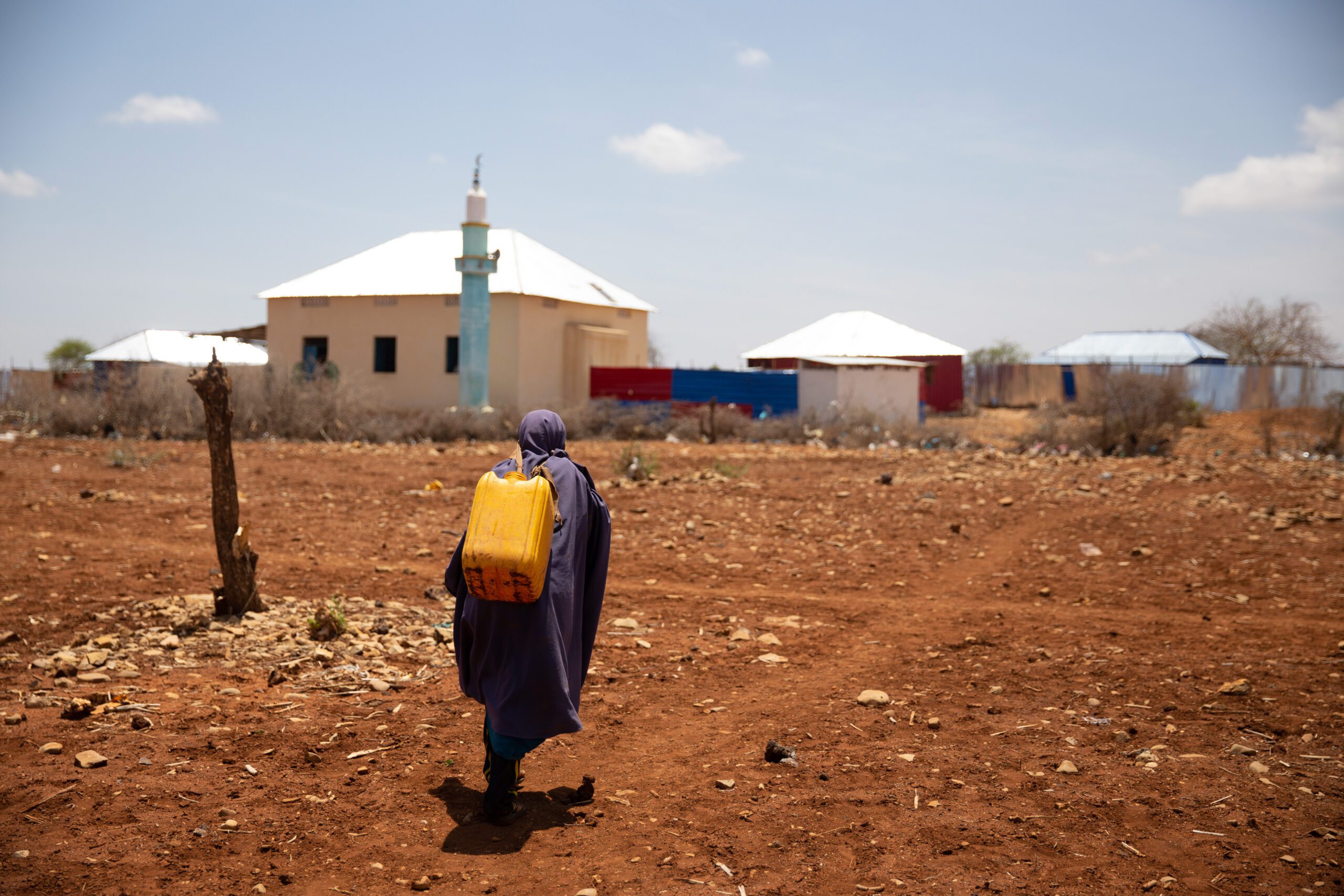
As COP30 in Belém nears, leaders are calling it the “implementation summit.” Trillions of dollars in climate funding are at stake in Brazil in mid-November. Every sector, from forests to AI, has dedicated Thematic Days. However, one critical issue is noticeably missing from the official agenda: peace.
-
Environmental Security Weekly Watch: November 3-7, 2025
›
A window into what we’re reading at the Stimson Center’s Environmental Security Program
Corruption Stymies Environmental Crime Fight in the Amazon (Mongabay)
In the Andean Republics, rampant systemic judicial corruption has challenged the entire justice system, with judges implicated in both bribery and extortion. Because leadership from judges is essential for the success of reform efforts ranging from anti-corruption campaigns to environmental crime enforcement, the result has been damaging to the entire justice system in the region for more than a decade.
-
An EU Lifeline Puts Norway in Russia’s Bullseye
›Since Russia’s full-scale invasion of Ukraine on February 24, 2022, the Kingdom of Norway has played an ever-increasing role in reducing the European Union’s energy dependence on Russia. It will likely continue to do so in the near term, creating a stronger yet more sensitive relationship between the EU and one of its non-member states.
-
Is Peace Enough? Why Sustainability Requires More Than Stability
›July 15, 2025 // By Richard MarcantonioAround the world, conflict and environmental risks are on the rise – and they’re often connected in complex ways. In the past five years alone, the number of global conflicts has doubled. At the same time, human activity is pushing the planet beyond the ‘safe operating space’, increasing the risk of instability.
Researchers studying the links between conflict and environmental change have found that war and violence almost always harm the environment. But the reverse connection – whether environmental stress leads to conflict – is much harder to pin down. That’s because political systems, local institutions, and social dynamics often shape how environmental pressures play out.
Findings from recent studies suggest that sustainability and peace are positively correlated. In other words, the results suggest that peace and sustainability go hand in hand. If true, pursuing one could help achieve the other. But what if it’s not that simple?
-
Plotting the Future of U.S. Foreign Aid
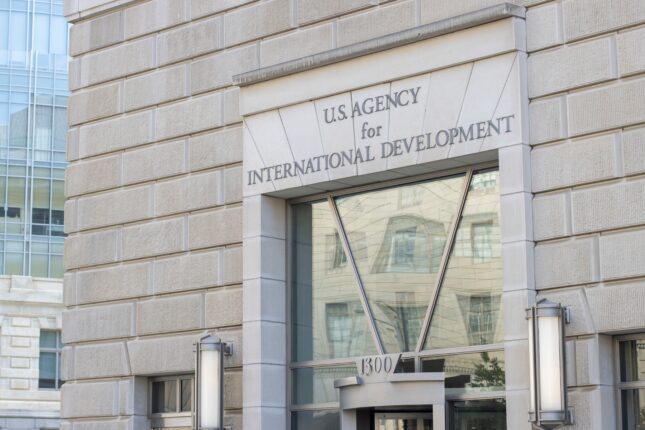
›When Secretary of State Marco Rubio formally declared the “era” of USAID over on March 28, 2025, it represented an extraordinary sea change for US foreign aid deployed over the past six decades.
Yet the world has changed dramatically since the U.S. Agency for International Development (USAID) was established by the Foreign Assistance Act of 1961 in the middle of the Cold War. So, there is every reason to thoughtfully consider what foreign aid should look like today as we navigate an era of Great Power Competition (GPC).
-
In the Wake of a Tropical Cyclone: Turning to Violence or Building Peace?
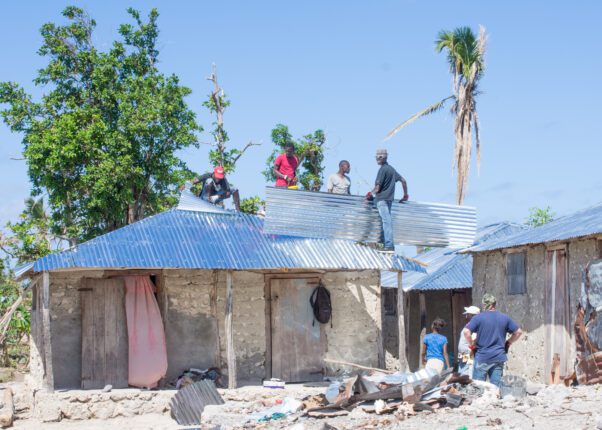
›“It seems like the news is always bad, right?” observed retired climate and atmospheric scientist James Kossin in a BBC interview last autumn.
Kossin was describing how climate change is weakening the wind shear patterns that have helped lessen the impacts of tropical cyclones in the United States. And, indeed, there is mounting evidence for his observation.
-
Harnessing the Benefits of Water Cooperation in an Increasingly Complex World
›In an era of apparent decline in international cooperation and rising crises, freshwater offers an area in which joint approaches remain absolutely essential—especially since water often transcends the boundaries of nation-states.
Cooperation has long been the preferred approach in dealing with water resources shared with neighboring countries. Since the first—and so far, only—water war in 2550 B.C.E., states have favored cooperative action over conflict to manage, protect, or develop our planet’s 313 transboundary surface water basins and 468 transboundary aquifers.
-
Can Climate-Resilient Agriculture Become an Engine for Syria’s Post-Conflict Recovery?
›Syria finds itself at a crossroads. Faced with the imminent need to prevent a relapse into renewed short-term insecurity, its government also must start to develop longer-term strategies to support recovery.
Generating peace dividends for Syria’s embattled population requires confronting the ecological threats which currently undermine basic human security across the country. Nowhere do these threats emerge more prominently than in its agricultural sector. Ensuring that this essential sector lives up to its potential as an engine for economic stabilization and peace will require a set of targeted – and climate-sensitive – investments and interventions.
Showing posts from category conflict.