

-
Mobile Clinics and Mental Health Care: The NGO Response to Ukraine’s Health Crises
› The war in Ukraine is not only displacing millions, straining the economy, and ravaging infrastructure. It’s also creating a mounting health crisis. In this week’s New Security Broadcast, ECSP’s Director Lauren Risi hears from Ambassador Daniel Speckhard and Dr. Mariia Dolynska about the health impacts created by the war in Ukraine and what is still needed to strengthen the health system—as well as what one NGO is doing to deliver healthcare in the embattled nation.
 -
Ecological Threats, Resilience and Peace: A New Assessment of Hotspots
›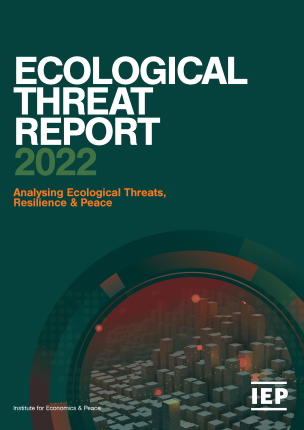
Which nations are most at risk of catastrophic outcomes due to intensifying ecological threats? The third edition of the Institute for Economics & Peace (IEP)’s Ecological Threat Report (ETR)—released on October 20, 2022— applies a lens of societal resilience to predict the hotspots most likely to suffer from instability and conflict in the future, and provides projections of ongoing trends to 2050.
-
What Better Looks Like: Breaking the Critical Minerals Resource Curse
›In recent years, the urgency of climate action has brought fresh attention to the critical minerals sector. Growing renewable energy investments are driving up demand for resources like lithium, cobalt, and copper, which form the mineral backbone of green technologies. But there are substantial concerns to navigate when it comes to sourcing green energy minerals.
-
New Global Health & Gender Policy Brief: Mental Health and COVID-19
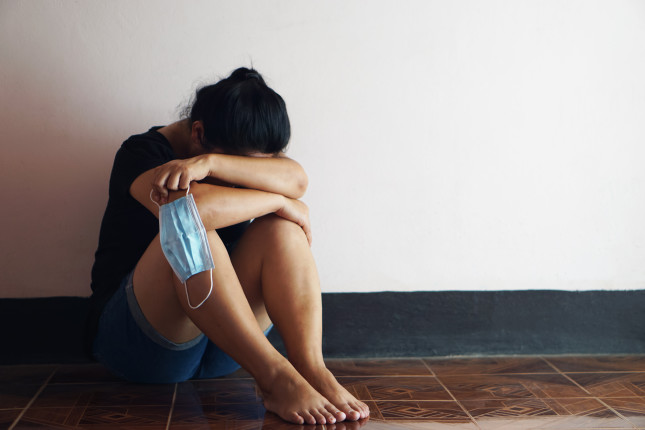
›The COVID-19 pandemic has had far-reaching, negative impacts on health and well-being, particularly in population mental health. Mental health is strongly related to people’s social environment, and the COVID-19 pandemic disrupted this greatly. Many countries instituted shutdowns early in the pandemic restricting people’s movement both within and between countries. Shutdowns socially isolated people from one another and often led to poor mental health. The highest rates of mental distress occurred during time periods when COVID-19 mitigation measures were strictest and the number of COVID-19 related deaths was highest.
-
Protecting Human Rights in DRC Cobalt Mines: A U.S. Priority in a Green Transition
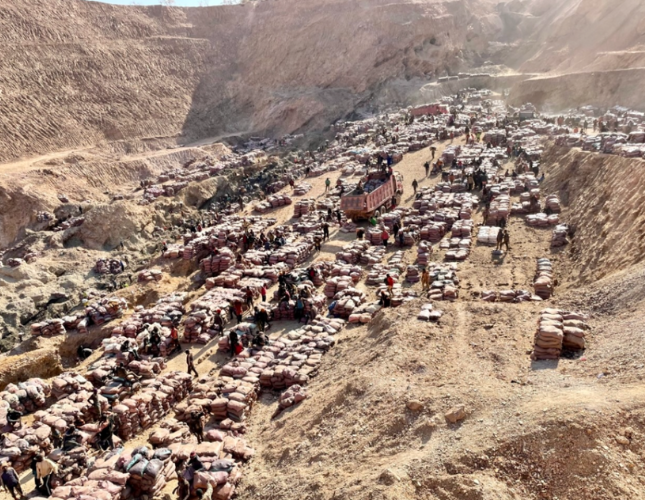
›Secretary of State Anthony J. Blinken recently reaffirmed the Democratic Republic of Congo (DRC)—a nation located in Africa’s heart—as a “geostrategic player and critical partner” for the United States. It is a country that features prominently in climate change discussions, not only because of its vast natural resources (including mineral wealth estimated to be the largest in the world, as well as possession of a forest cover second only to the Amazon Basin), but especially due to its cobalt reserves.
-
Leveraging Hydropower for Peace
›Hydropower is the largest source of low-carbon electricity in the world today. And its benefits are needed more than ever. The International Energy Agency estimates that we will need to double the amount of installed hydropower capacity—which stands today at around 1360 gigawatts worldwide—in order to limit the rise in average global temperatures to 1.5 degrees Celsius above pre-industrial levels. -
Creating an Environment of Peace Means Avoiding Backdraft
›The much-needed transition to a zero carbon, green economy offers opportunities to contribute to peace, but only if the conflict risks of transition are understood and managed to produce a just and peaceful transition. That means minimizing “backdraft”—the unintended negative impacts of transition that are a key obstacle to that goal.
-
Confronting Seismic Shocks: New WQ Article Looks at “Russia’s War on Natural Resources”
›July 29, 2022 // By Claire DoyleWhen Russia struck a deal with Ukraine on July 15, there was hope that millions of tons of food would once again be able to flow from the embattled country. Under the agreement, brokered by Turkey and the UN, Russia would lift naval blockades and allow large-scale shipments of grain to leave Ukraine’s ports.
Showing posts from category conflict.

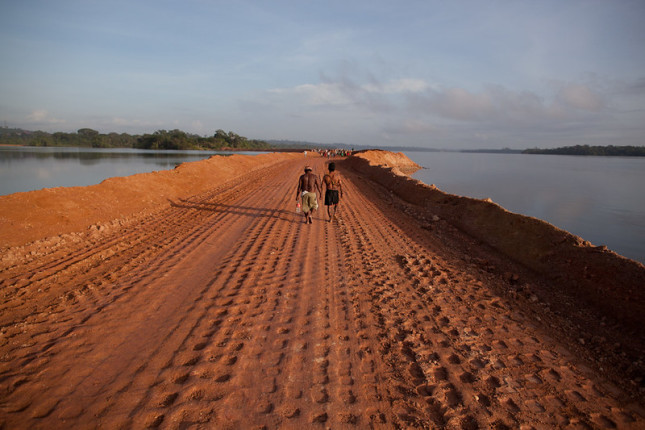 Hydropower is the largest source of low-carbon electricity in the world today. And its benefits are needed more than ever. The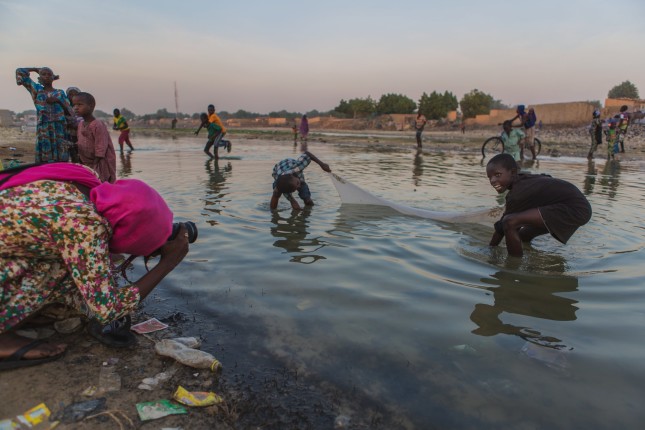
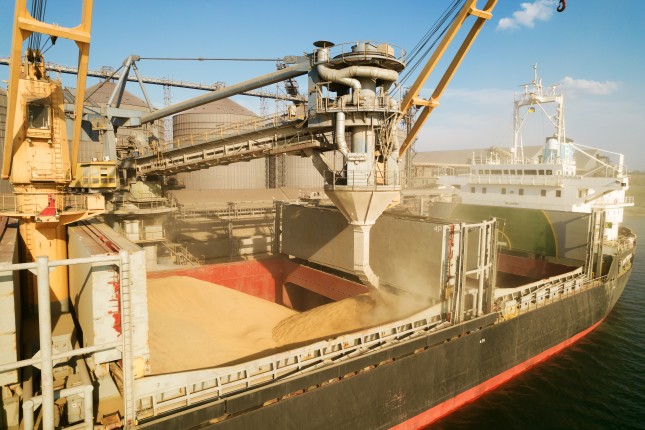 When Russia struck a deal with Ukraine on July 15, there was hope that

