-
Water and Conflict: Updates from the Russia-Ukraine War
›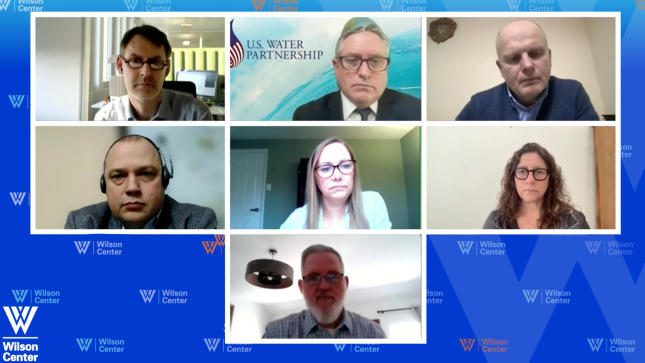
The first anniversary of Russia’s invasion of Ukraine is also a reminder of the long-term challenges faced by that embattled country, including one of the most important resources for human survival: water.
“For Ukrainians, water has been under fire for nearly a decade,” observed Erika Weinthal, Professor of Environmental Policy and Public Policy at Duke University, at a recent Water @ Wilson Series event: “Water and Conflict: Updates from the Russia-Ukraine War,” co-hosted by the U.S. Water Partnership.
-
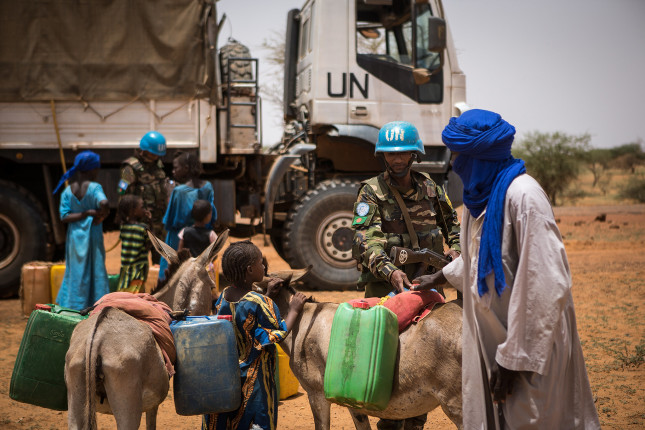
Arms Are Not Enough: Solutions for the Sahel Must Consider Climate
›
On February 25, Nigeria will begin voting for its new president in one of the most tightly fought elections in decades. And the most likely winner has already set down a marker in his campaign. “You can’t be talking about climate change when people are taking cover from bombs,” observed Nigerian presidential hopeful Peter Obi.
-
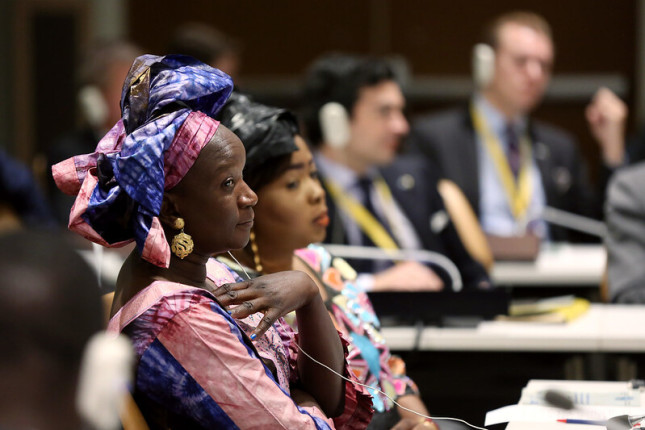
Should Demography Weigh in on U.S. Response to Coups d’Etat?
›The research presented in this article was subsequently published in a peer-reviewed article: https://www.degruyter.com/document/doi/10.1515/spp-2023-0029/html
When a military-led or military-influenced coup d’état occur in a foreign country, does evidence from demographic research merit consideration in the U.S. foreign policy response? It’s a question that U.S. policymakers should be asking as deteriorating political conditions in West Africa come increasingly into confluence with the limited tools available either to deter or respond to illegal and extra-legal forms of political succession.
-
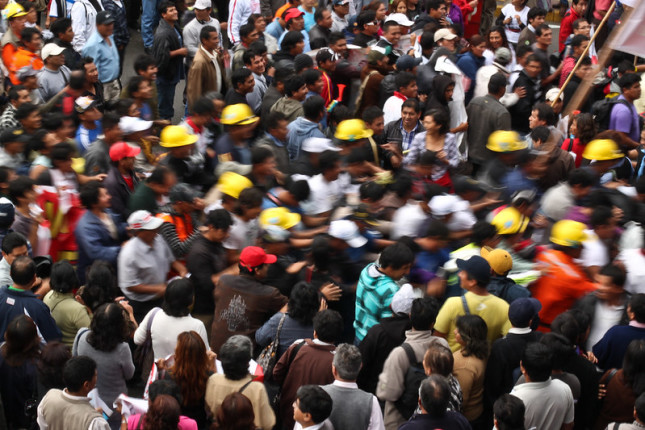
Conflict and Copper
›Guest Contributor // February 13, 2023 // By Morgan Bazilian, Aaron Malone & Eliseo Zeballos ZeballosGlobal demand for copper has climbed dramatically in recent years, a trend that is likely to continue apace. Peru is the world’s second largest producer of copper. Yet the clamor for copper is an opportunity that the nation is unable to seize upon at present. Peru is now undergoing severe political upheaval and protests that have brought new attention to the underlying risks in extractive industries and supply chains. Production cuts stemming from protests and blockades could amount to 3 percent of global copper output.
-
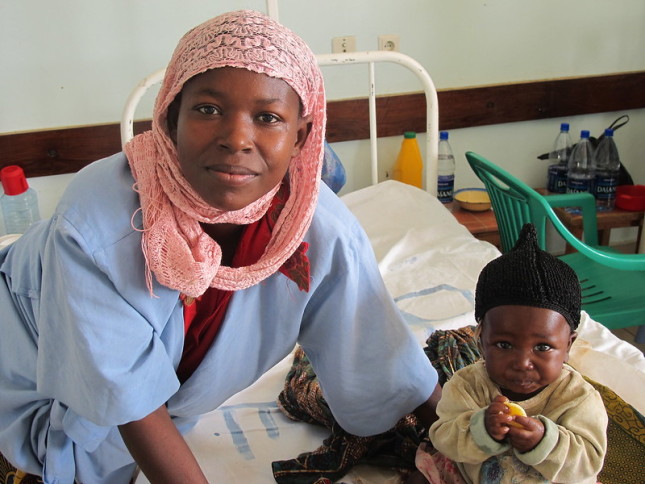
Top 5 Dot-Mom Guest Contributor Posts in 2022
›In 2022, the Dot-Mom column published several pieces from expert guest authors from the greater maternal and reproductive health community. In our top read guest contributor piece of the year, Susie Jolly examined the role of colonialism in sexuality education globally. Jolly highlighted examples where sexual health knowledge is built on unethical medical research carried out on racialized people, such as the study of untreated syphilis among Black men in the United States. Sexuality educators, especially those placed in the Global North, have a responsibility to work to decolonize their work. Jolly suggests supporting resources led by marginalized people, critically examining colonialism’s influence in the understanding of sexuality, and shifting the dynamics of who decides on content to lend more weight to non-Western expertise and young people learning from their own experiences.
-
Environmental Management: A Critical Tool for Environmental Peacebuilding
›On July 28, 2022 the United Nations General Assembly (UNGA) voted—by a count of 161 in favor, with 8 abstentions — that living in a clean, healthy, and sustainable environment is a human right. Building on the similar declaration by the UN Human Rights Council in October 2021, the UNGA has now reinforced the notion that the growing assaults on human health through environmental hazards are transgressions against the basic rights and freedoms of people.
-
Ukraine’s Environment in Time of Conflict: Damage, Data and the Rule of Law
›When Russia invaded Ukraine on February 24, 2022, it was not only a geopolitical and humanitarian disaster. The conflict has detrimentally impacted the environment.
War and environmental damage are inextricably linked, but the invasion of Ukraine has caused further deterioration in pre-existing environmental issues. “Before 2014, Ukraine was already a country which faced environmental challenges,” observed Ian Anthony, Director of the Stockholm International Peace Research Initiative’s European Security Program (SIPRI) at a December 14 webinar titled Beyond War Ecologies: Green Ways forward for Ukraine. “Russia’s first aggression in 2014 exacerbated problems. The second aggression extended some of the problems to other parts of Ukraine and not just to Donbas.”
-
Warfare and Global Warming
›The world has plenty of reasons to avoid conflict already. Yet attendees at the recently-concluded COP27 climate conference in Sharm el-Sheikh, Egypt were presented with another compelling argument: Warfare is bad for global warming. So much so, in fact, that Ukraine’s delegation to the conference organized a special session at the conference of parties on “War Related Emissions,” bringing along a tree trunk bearing scars from Russian shell fragments as tangible evidence.
Showing posts from category conflict.