

-
A River Runs Again: Reporting on India’s Natural Crisis
›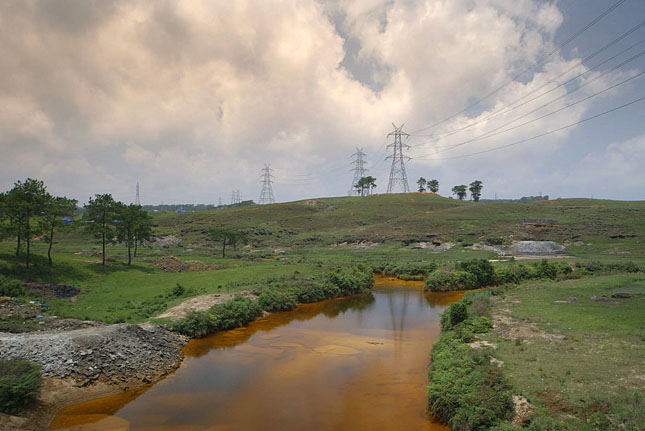
The world’s second most populous country – projected to be first by 2022 – is developing faster than ever before, roiling the social, political, and environmental landscape. [Video Below]
-
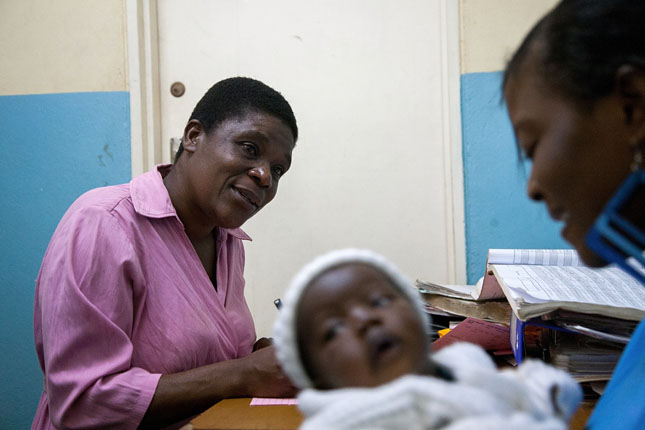
Finding the Path: Increasing Contraceptive Choice in Africa’s Most Populous Countries
›
More than 225 million women in developing countries want to avoid or delay pregnancy but are not using safe, modern, and effective contraceptive methods. Such a gap between women’s contraceptive behavior and reproductive goals is called an unmet need for family planning, and no region has more unmet need than sub-Saharan Africa. [Video Below]
-
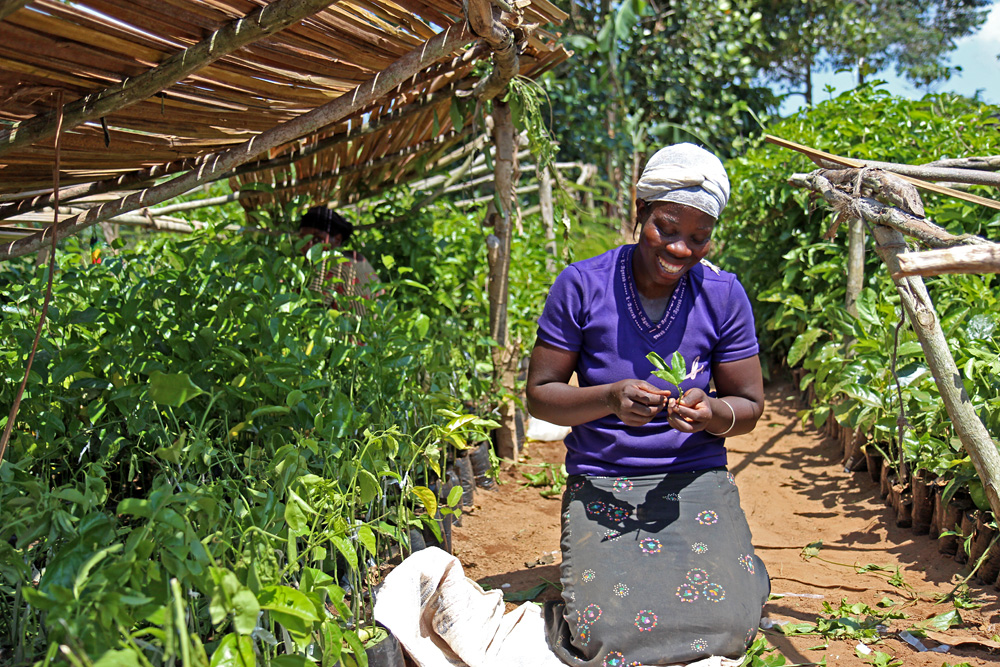
Beginning With the End in Mind: Midterm Results From an Integrated Development Project in Lake Victoria Basin
›More than 80 percent of the estimated 42 million people living in Central Africa’s Lake Victoria Basin depend on fishing or farming for survival. Given this overwhelming reliance on natural resources, the lake’s deteriorating condition – driven by climate change, agriculture, pollution, deforestation, overfishing, and industrialization – has far-reaching implications.
-
Examining Women’s Inclusion in Peace and Conservation Efforts
›Some of the world’s most crucial ecosystems can also be found in the most conflicted areas. The most progressive peace agreements in these circumstances sometimes include conservation protections, but fewer still include women – and that’s a an article in Peace Review by Conservation International’s Brittany Ajroud, Kame Westerman, and Janet Edmond. -
Peace Park Expedition to Balkans Reveals Tensions Over Development, Rule of Law for New Governments
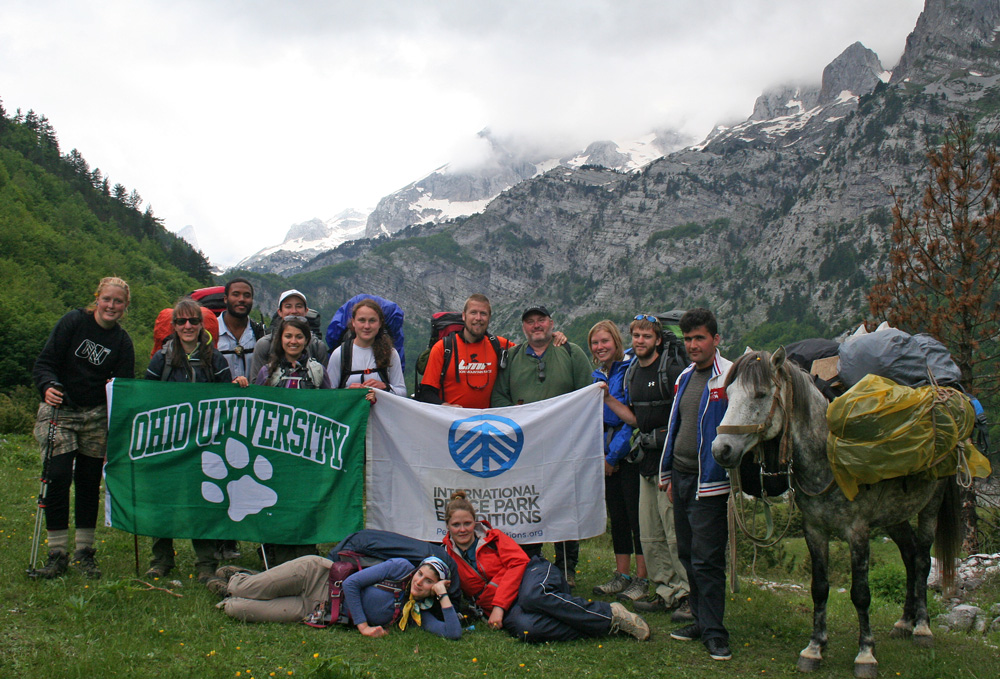
›One of the last biodiversity hotspots in Europe was also backdrop to one of its last violent conflicts and now home to its newest nation states. The Prokletije/Bjeshket e Nemuna Mountains, often referred to as the Southern Alps, are a large expanse of wilderness and stunning alpine landscapes that form the border between Montenegro, Albania, and Kosovo. Three national parks share borders and form a patchwork of protected land that could be the basis for an international peace park – a shared resource that could promote cross-cultural exchange collaborative natural resource management, and eco-tourism.
-
Violence Over Land in Darfur Demands We Look Again at Links Between Natural Resources and Conflict
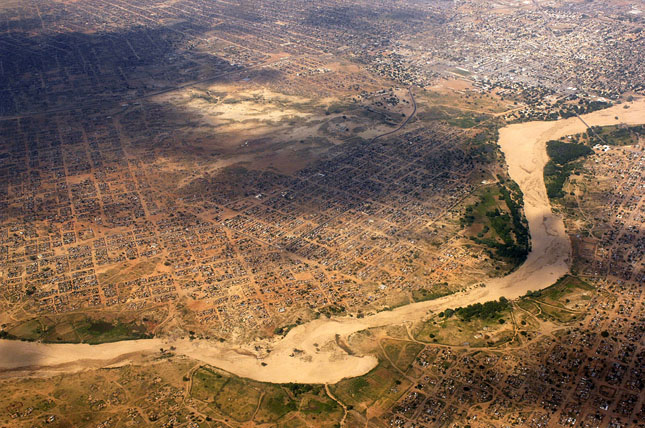
›Given that there have been three major peace processes in Sudan’s troubled western province of Darfur, the current escalation of violence indicates that perhaps something about existing approaches is failing to hit the mark. Identifying what is missing is vital – not just for Darfur, but for other areas with similar challenges of state fragility, poverty, and competition over natural resources.
-
Lessons From Katrina: Can Media-Citizen Collaboration Help Cities Adapt to Climate Risks?
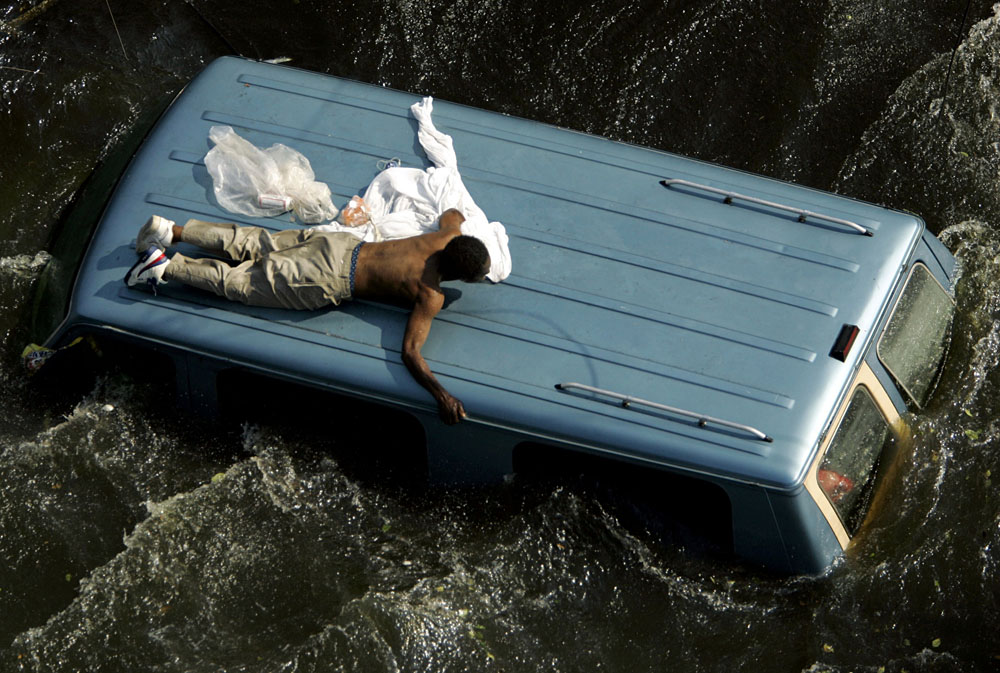
›Ten years ago this month one of the United States’ deadliest and most costly storms, Hurricane Katrina, struck the Gulf Coast. In Louisiana, the storied city of New Orleans was dealt a particularly devastating blow. Hundreds died and the city suffered extensive damage as 80 percent of its neighborhoods flooded, prompting an exodus it is still recovering from.
-
Sally Edwards on Health and Climate Change in the Caribbean: “It’s a Very Complex Web”
›“The relationship between human health…and environmental changes is extremely complex,” says Sally Edwards, advisor for sustainable development and environmental health of the Pan-American Health Organization/World Health Organization office for the eastern Caribbean countries, in this week’s podcast.
Showing posts from category community-based.
 “The relationship between human health…and environmental changes is extremely complex,” says Sally Edwards, advisor for sustainable development and environmental health of the

