-
Green Leadership From a Divided South? China and India’s Divergence Shape Outlook for International Negotiations
›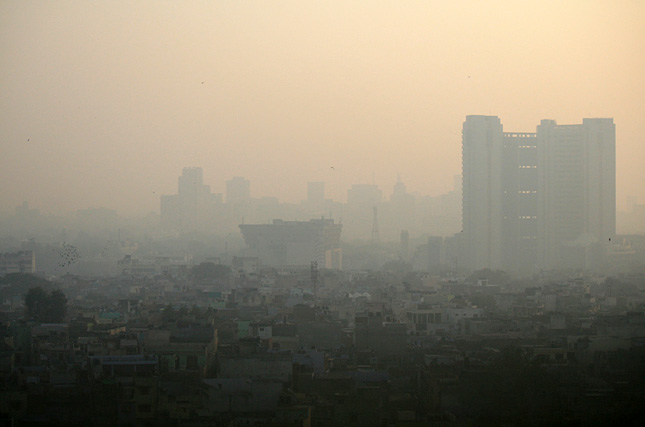
Last month, headlines around the world heralded a breakthrough for international environmental cooperation. During ongoing ozone treaty negotiations in Rwanda, China broke with the developing world, agreeing with the United States to aggressively phase out hydrofluorocarbons, a significant global warming pollutant found in refrigerators and air conditioners. These changes are expected to make a big difference in combating climate change, mitigating half a Celsius degree of warming.
-
Navigating Complexity: Climate, Migration, and Conflict in a Changing World
›
Record levels of displacement and accelerating climate change have prompted many to wonder if the world is headed toward a more violent future. The nexus of climate change, migration, and conflict is posing fundamental challenges to societies. But not always in the ways you might think. In a new report prepared for the U.S. Agency of International Development, Lauren Herzer Risi and I present a small guide to this controversial and consequential nexus of global trends.
-
Predicting the Geopolitical Landscape of 2035, and a More Holistic Measure for Disaster Risk Assessment
›The world of 2035 will be facing global and regional insecurities that could be “more dangerous than the second half of the Cold War era,” according to a 2016 report from the Atlantic Council. -
Getting to Sustainable Palm Oil: A Hardware and Software Approach to a Market Problem
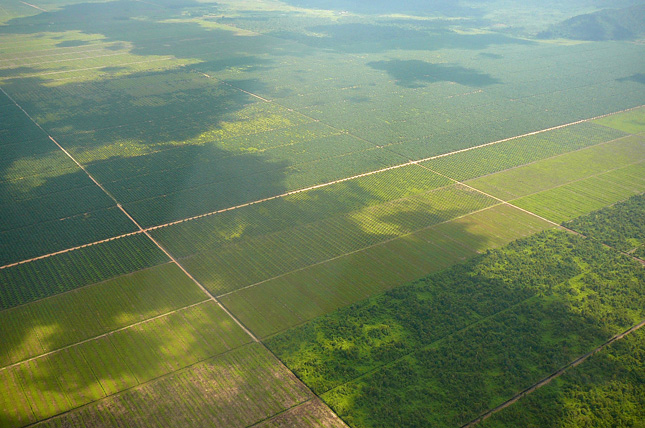
›The palm oil sector is at a crossroads. Despite growing awareness of its massive effects on deforestation, the largely unregulated and decentralized industry has struggled to adopt, follow, and document rigorous sustainable sourcing standards.
-
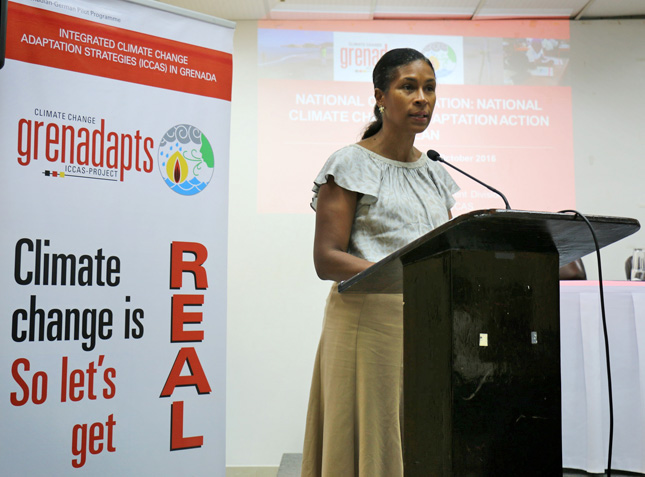
Building a Climate-Resilient Caribbean: Grenada Hosts National Adaptation Planning Workshop
›For island nations already dealing with more frequent and intense extreme weather events, climate change is an imposing burden. But many island states are responding and becoming “incubators of resilience,” as Lynae Bresser recently wrote.
-
Climate Change Is the Biggest Challenge: Wilson Experts on Top Issues Facing President-Elect Trump
›From Putin to Cuba, there are a bevy of international issues competing for attention as the next administration beings to take shape. In a series of contextual one minute video briefings, the Wilson Center’s community of experts weighs in what the world expects of President-elect Trump and the United States moving forward.
-
The Global Refugee Crisis Has Coarsened Our Politics, Says Wilson Fellow Joseph Cassidy
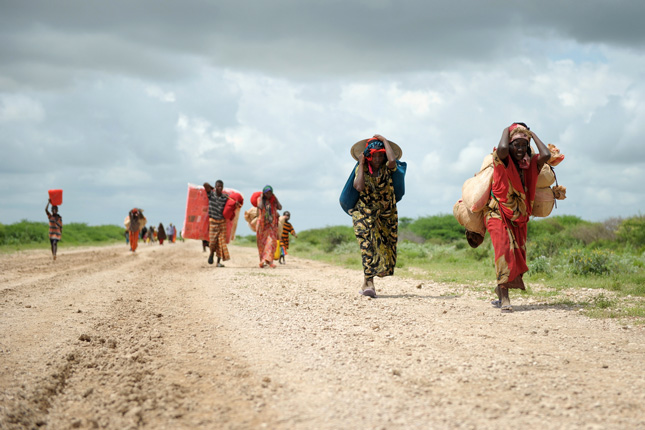
›Chaotic flows of refugees and migrants – the most since World War II – have challenged leaders in Western Europe and North America. “The reactions to those big flows are undermining our institutions in important ways and degrading our politics,” says Wilson Center Fellow Joseph Cassidy in this week’s podcast. -
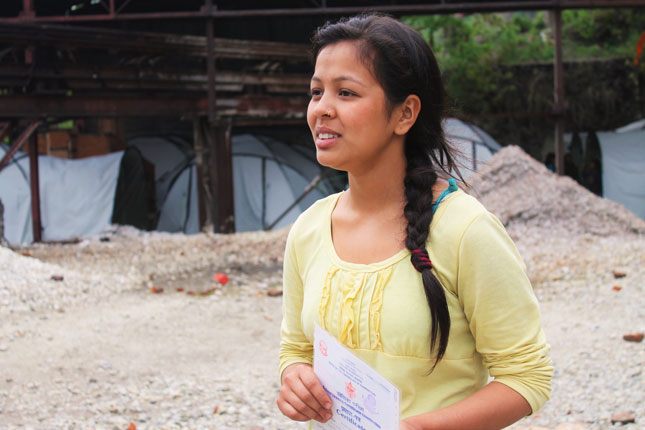
After the Landslide: A Closer Look at Loss and Damage in Nepal
›It had been raining for two full days when the landslide came. Nirjala Adhikari vividly remembers the instant it hit her village in Sindhupalchok District, Nepal. “It was a very scary moment, and I couldn’t think of anything else than grabbing my mobile phone and my school certificate before I ran out of the house,” she recalled. “I secured my certificate because only this will help me establish a bright future.”
Showing posts from category climate change.

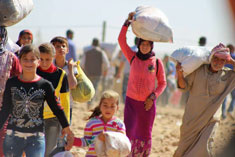 Chaotic flows of refugees and migrants – the most since World War II – have challenged leaders in Western Europe and North America. “The reactions to those big flows are undermining our institutions in important ways and degrading our politics,” says Wilson Center Fellow