-
Could Renewable and Nuclear Energy Be the Key to Fighting Climate Change?
›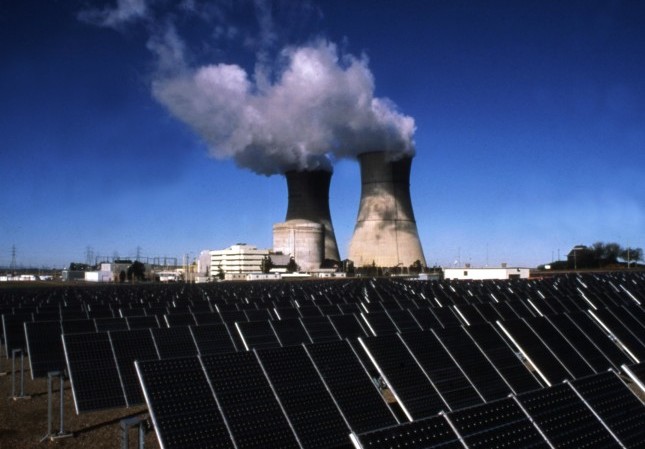
“Today we face two existential threats: nuclear annihilation and catastrophic climate change,” writes Daniel Poneman, former Deputy Secretary of the Department of Energy, in his book, Double Jeopardy: Combating Nuclear Terror and Climate Change. “Both stem from human origins. We need to fight both threats aggressively.” At a recent event hosted by the Wilson Center, Poneman discussed his book. While the dangers of nuclear energy are clear from incidents like Fukushima and Chernobyl, Poneman proposes policies that aim to encourage a safe, non-carbon baseload power that responds to the Intergovernmental Panel on Climate Change (IPCC) 2018 report and keeps our global temperature rise below 2 degrees Celsius above pre-industrial levels, per the 2015 Paris Climate Agreement.
-
Untapped Opportunities? The Need to Integrate Young Women in Water Management
›
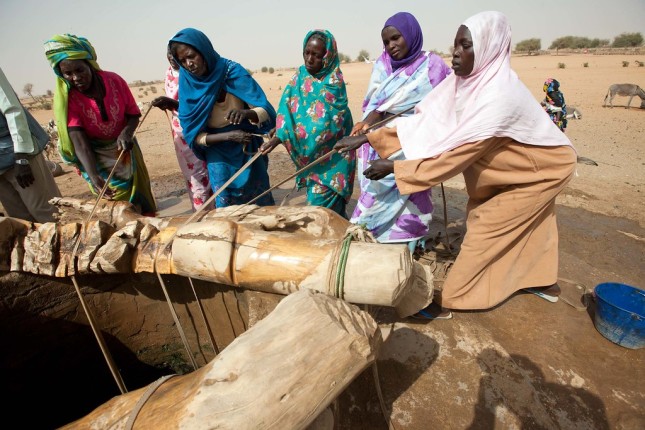
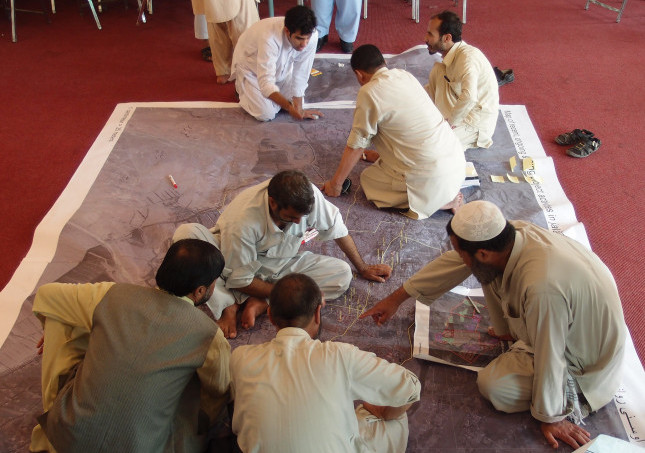
Water security is a pervasive climate issue and one that has increasingly been viewed as a gendered issue. Worldwide, women and girls spend 200 million hours collecting water every day. While doing so, they place themselves at increased risk of assault and become more likely to develop medical issues related to physical labor. They also pay an opportunity cost, as this time could be better spent in school or performing other productive tasks.
-
How Soap Operas Can Help Communities Adapt to Climate Change
›When thinking seriously about a world increasingly afflicted by climate change, radio and television soap operas are not the first things that leap to mind. But for countries likely to suffer the most from climate change, popular serial dramas can play a critical role in helping vulnerable populations adapt to the looming challenges.
-
In Search of Consensus on Climate-Conflict Links
›What do we (think we) know about the links between climate change and armed conflict? Early attempts to theorize what climate-related conflict might look like were exceptionally successful in sparking policymaker interest in and funding of research on climate-conflict links. But they were more like works of science fiction than science. Since then, research on climate-conflict links has exploded, with hundreds of articles and working papers published on the subject. Moreover, the findings have been all over the map, with some arguing for strong impacts of climate on conflict at multiple temporal and spatial scales, while others argue—in both specific instances, about the supposedly climate-fueled Syrian Civil War, and more generally—that climate-conflict links are overstated.
-
Concerns Rise Over Governance Gap in Arctic
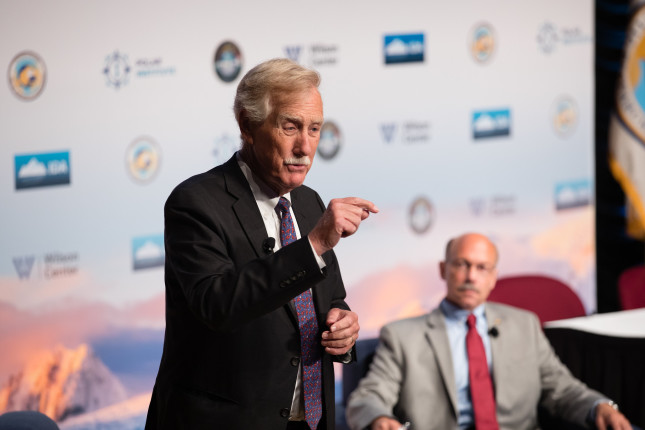
›“We’re attempting to do something that’s never been done before in world history,” said Senator Angus King (I-ME). “The peaceful development of a major new physical asset.” He spoke of the Arctic Ocean at the 8th Symposium on the Impacts of an Ice-Diminishing Arctic on Naval and Maritime Operations. The symposium was hosted by the Wilson Center’s Polar Institute, in partnership with the U.S. Arctic Research Commission, U.S. National Ice Center, Arctic Domain Awareness Center, Patuxent Partnership, St. Mary’s College of Maryland, and the Ronald Reagan Building and International Trade Center.
-
Lost in Translation: How Building “Strong” Institutions can Diminish Human Security in the Global South
›In the Global South, natural resource conflict has largely been considered a consequence of poor governance and weak political institutions. The international community’s solution? Build “green” governance capacity as a way to mitigate violent conflict and improve environmental outcomes. For the international development community, this has meant introducing laws, policies, and practices based on international standards of best practice, and training local regulators to adhere to those standards.
-
Removing Barriers to Family Planning Essential for Conservation, Groups Agree
›The voluntary use of family planning, among its many benefits, is good for sustaining the healthy ecosystems that support all wild plant and animal species. This should be common sense. If your mission is environmental conservation, you should want to help remove barriers to reproductive health services, so that all women can space wanted pregnancies and avoid unintended ones.
-
When Climate Change Meets Positive Peace
›Climate change is being increasingly framed as a security issue—a “threat multiplier” that can amplify the risks of breakdowns in peacefulness. Yet, even extreme climate hazards do not always lead to higher levels of violence.
Showing posts from category climate change.