-
New Wilson Quarterly Features Expert Insights on Climate Migration
›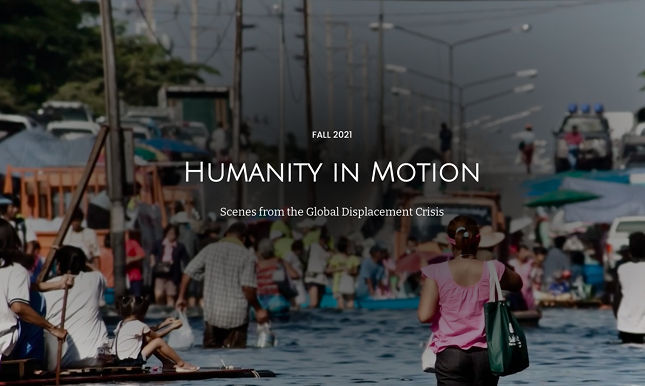
“Supporting the talents and potential of the refugees of today could lead to empowering the scientists, leaders, and innovators of the future. Instead of a lost generation, we have the opportunity to build a thriving generation full of promise,” says Abdullah II Ibn Al Hussein, King of the Hashemite Kingdom of Jordan, in the forward of the Fall Wilson Quarterly (WQ), “Humanity in Motion: Scenes from the Global Displacement Crisis.”
-
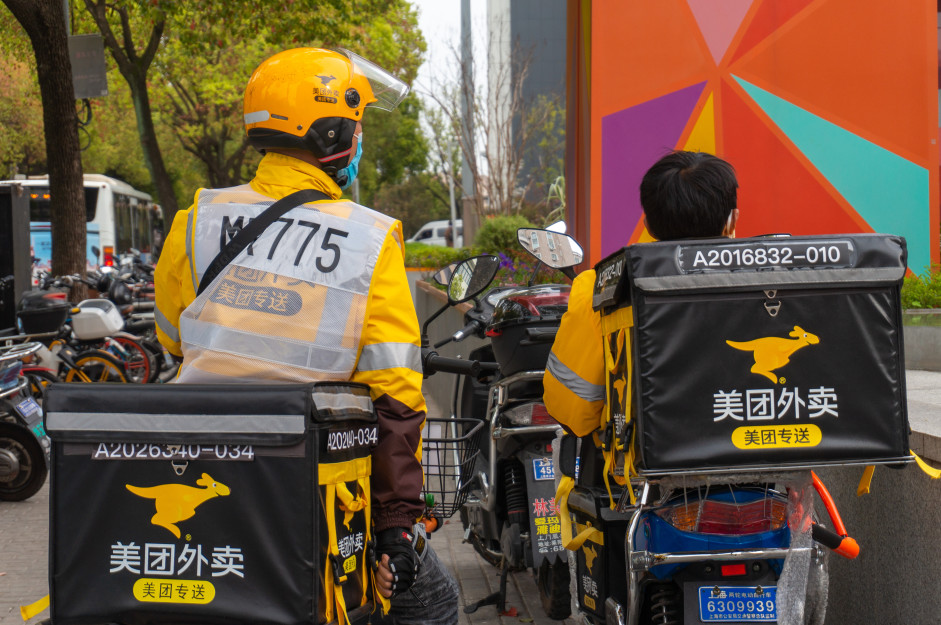
Hitting the Brakes on Plastics in China’s Food Delivery Industry: Q&A with Zheng Xue and Sherry Lu of Plastic Free China
›China Environment Forum // Q&A // November 4, 2021 // By Solange Reppas, Mingwei Zhu, Tongxin Zhu & McKenna PotterIn every Chinese city, there is an army of motorcycles and mopeds weaving through the traffic jams, and sometimes even venturing on sidewalks, to deliver millions of food and e-commerce orders each day. Meituan, one of China’s most popular food delivery apps, delivers 30 million orders a day, serving up 100 million plastic containers. According to Greenpeace, e-commerce and express delivery in China generated 9.4 million tons of packaging waste in 2018 and will likely triple to 41.3 million tons by 2025.
-
Can COP26 Meet the Climate and Conflict Challenge?
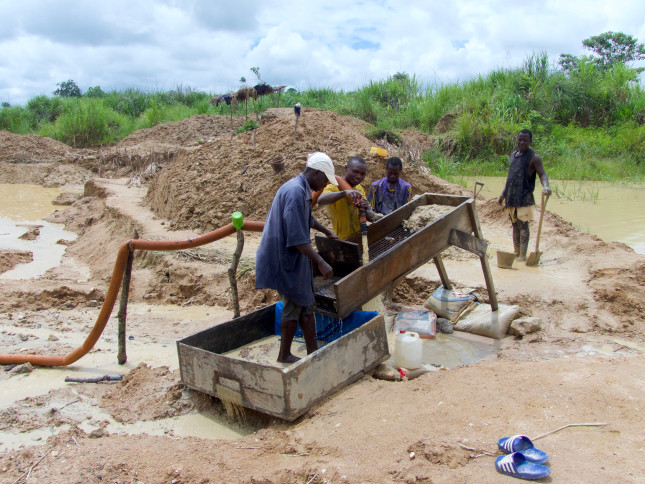
›Global climate action must be sensitive to ‘land grabs’ and lost livelihoods for both a safer and greener world to be built in Glasgow.
With all eyes on COP26, the world is holding its breath. This year’s negotiations will need to see truly ambitious commitments to ramp up climate action in order to avoid a dangerous future. There has never been a greater sense of the urgency in the climate movement.
As a peacebuilder, I’m looking closely at what the implications of the much-needed pledges might be for the 1.5 billion people living in fragile and conflict-affected contexts. The discussion on the impact of climate change on security and social stability is gaining momentum but is still effectively on the fringes of the COP26 agenda. That is a concern.
-
Climate Change and Nuclear War: Existential Threats on a “Split Screen”
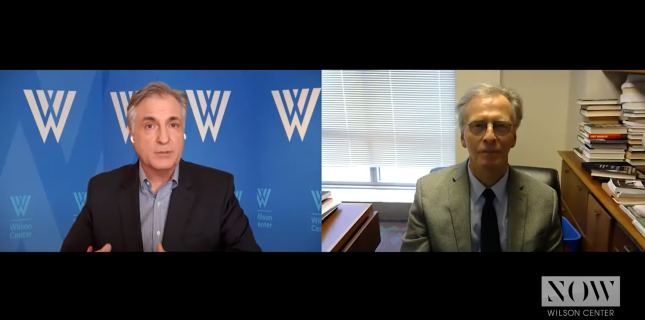
›“In international relations today, we face two truly existential threats—in climate change and in nuclear war,” says Robert Litwak, Senior Vice President for Scholars and Director of International Security Studies, in a new episode of Wilson NOW. The interview with Litwak focuses on his new article, “Geostrategic Competition and Climate Change: Avoiding the Unmanageable,” recently published in 21st Century Diplomacy: Foreign Policy is Climate Policy.
-
Cities are at the Forefront of Climate Change
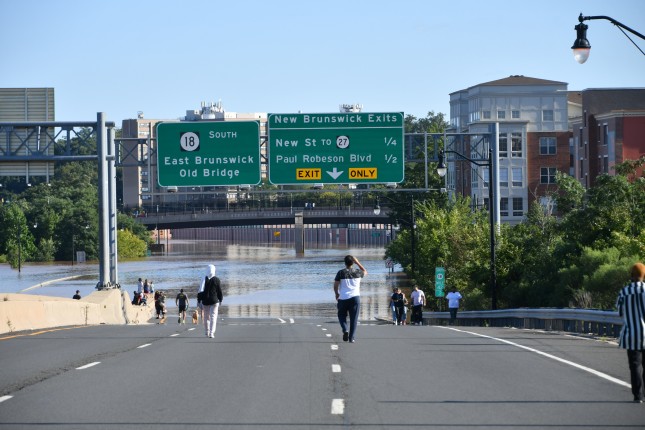
›“The success or failure of cities will shape opportunities and quality of life for a growing share of the world’s population,” says the National Intelligence Council in its recent analysis of security risks the world will likely face by 2040. This is especially true for densely populated coastal and low-lying areas. The western United States continues to suffer extreme drought and fires after breaking heat records this summer. China has experienced significant flooding, highlighting its ill-preparedness for dealing with the effects of climate change. Parts of Brazil are suffering drought while others received unexpected snow and ice. Climate-related disasters have nearly doubled over the last two decades, causing over one million fatalities, affecting nearly 4 billion people, and costing almost 3 trillion dollars. At the heart of these impacts are cities.
-
China’s National Emissions Trading Scheme is Just One Piece of the Mitigation Puzzle
›On July 16, 2021, after nearly two decades of research and preparation, China finally opened what is now the world’s largest national emissions trading scheme (ETS). The much anticipated move follows the central government’s ambitious pledge to reach peak CO2 emissions before 2030 and achieve carbon neutrality before 2060. Several Chinese cities and provinces, including Shanghai, have been operating ETS pilots for several years. For Shanghai, the rollout of China’s national ETS bolsters its existing carbon marketplace and complements the multitude of other local and national decarbonization initiatives the city is undertaking. The national scheme is an encouraging step in China’s climate action, but on its own it is not a silver bullet to decarbonize the economy.
-
Sustainable Responses to Human Mobility, Climate Change, and Conflict
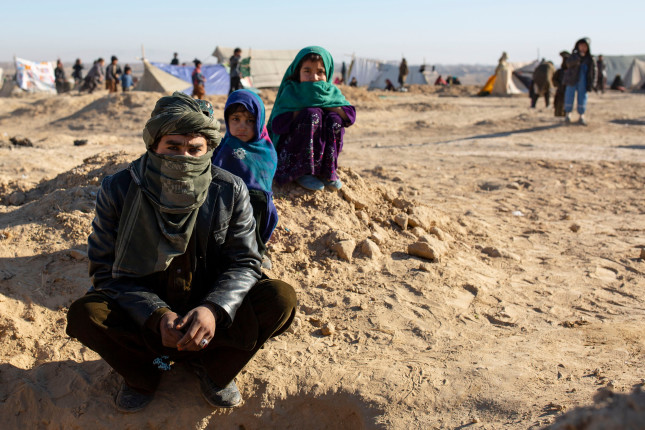
›“We should not see people moving as a security threat. People do not move if they’ve got a better option. As a community, one of our responsibilities is to provide people with the options,” said Andrew Harper, Special Advisor to the UNHCR High Commissioner for Climate Action, at a discussion on human mobility, climate change, and conflict hosted at the 2021 Berlin Climate and Security Conference. “We need to ensure that projects and activities that have been put in place are not short term, but are geared up to be addressing the challenges that the world will be facing within five to ten years’ time.”
-
All Systems Go: Integrating Climate Security Across the U.S. Government
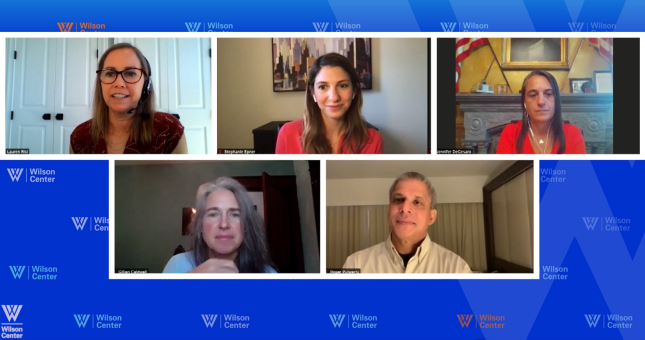
›“We are really taking a whole-of-government approach to address the challenges posed by climate change,” said Jennifer DeCesaro, Director for Climate Security and Resilience at the U.S. National Security Council, at a recent Wilson Center event hosted as part of the 2021 Berlin Climate and Security Conference. President Biden has taken an unequivocal position on climate change: The administration’s first order of business was to issue a series of executive orders aimed at catalyzing climate action. Putting the full institutional weight of the U.S. government behind this agenda requires a re-orientation of domestic and international security, development, and diplomacy. Creating “new muscle memory” on how we approach these typically siloed challenges is essential to elevating climate policy, said DeCesaro.
Showing posts from category climate change.