-
Blue Jeans Contaminating Blue Oceans: The Expanding Microfiber Footprint of Our Clothes
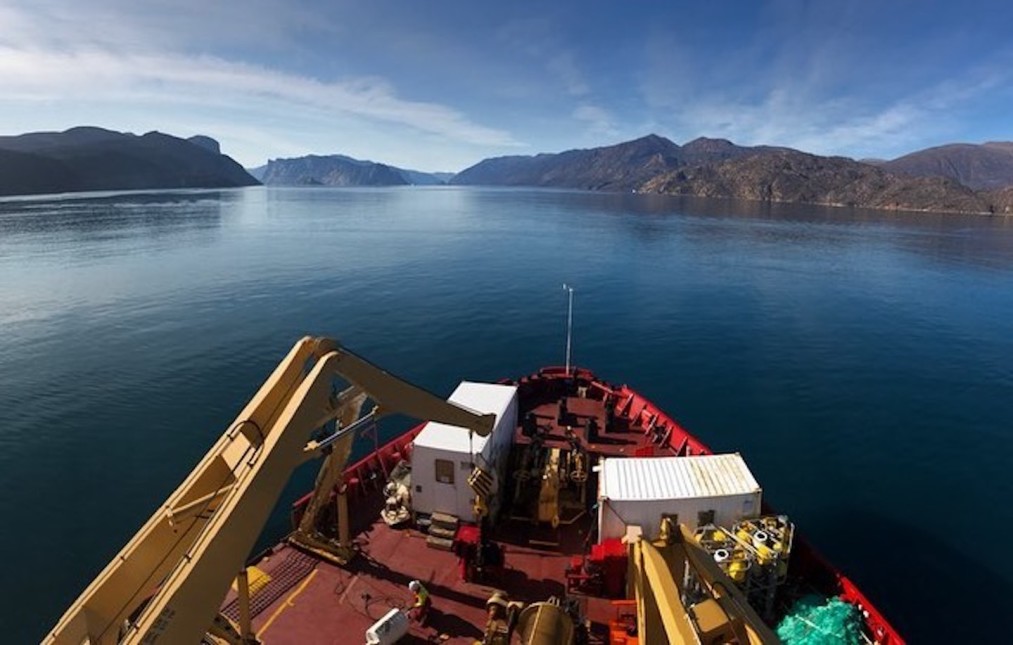
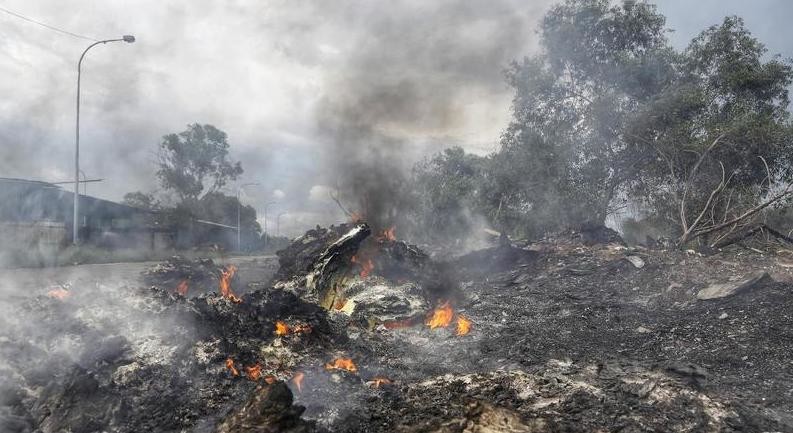
›The Arctic is believed to be a pristine environment, far removed from littered city streets and toxic industrial emissions. I study human pollution and I found it hard to believe that my fellow researchers and I would find so much litter out here. It was even harder to believe that what we uncovered closely resembled the contents of my own closet, over 3,000 kilometers (2,000 miles) away in Toronto. -
Generation 2030: The Strategic Imperative of Youth Civic and Political Engagement
›
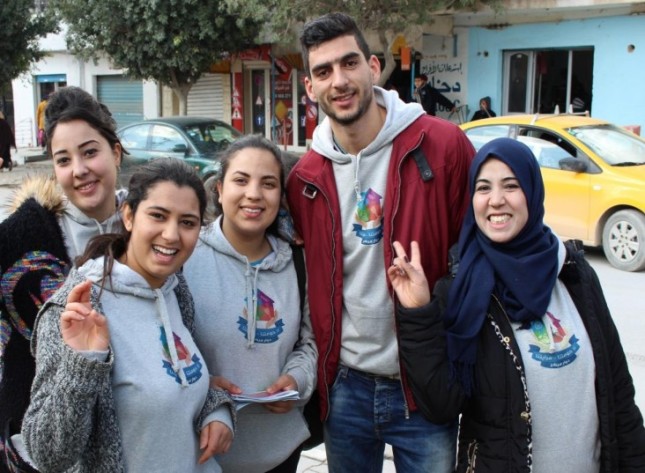
According to a recent poll, young people are deeply concerned about the world they will inherit, want to be more engaged in meeting the development needs of their communities, and are helping to lead democracy or social justice protests in their countries. At the same time, new research shows a large decline in trust and admiration for democratic governance. According to Freedom House, for the first time in decades, authoritarian leaning regimes outnumber democratic leaning ones, with a majority of the world’s population now living in authoritarian leaning countries.
-
Centering Indigenous Knowledge in Climate Response
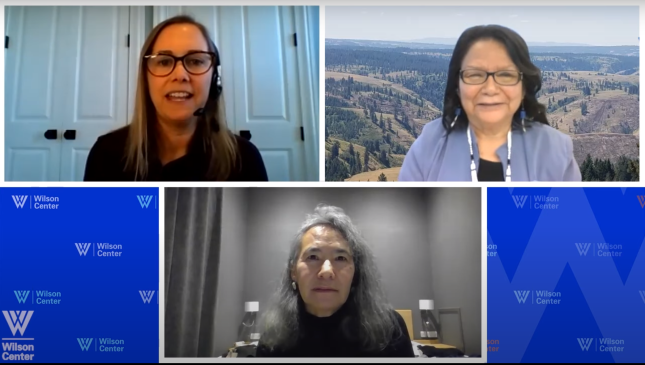
›“Tribal People have learned to take care of the land because our land took care of us,” said Kat Brigham, Chair of the Board of Trustees for the Confederated Tribes of the Umatilla Indian Reservation (CTUIR), at a recent Wilson Center event. “It’s important for tribal people to be at the table. We have a lot of knowledge, we have a lot of experience on how to protect and restore natural resources,” said Brigham. “This is part of our culture, our history, and our future.”
-
To Fight Climate Change and Insecurity in West Africa, Start with Democracy
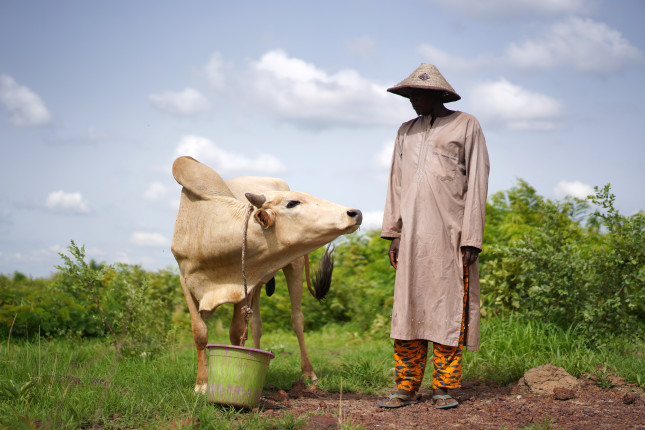
›Secretary of State Blinken is right to focus on climate change and democracy during his first trip to sub-Saharan Africa. At the top of his and everyone else’s mind should be the question: will democratic backsliding in countries like Benin make it more difficult to deal with the effects of climate change? Even more worrisome: will it worsen conflict hotspots, such as the West African Sahel, where climate change is playing a role? All eyes should be on coastal West Africa as countries such as Benin deal with violent insecurity and climate pressure creeping down from the Sahel. My ongoing research in Benin suggests that the country’s democratic local institutions, despite all their faults, are the country’s best defense against the breakdown in rural governance that has befallen Mali and neighboring Burkina Faso.
-
Imagine a Future Without Single-Use Plastics
›If producing plastic waste were a race, Japan would be rushing for the gold medal. Japan and the United States both rank the highest per capita for plastic packaging waste in the world. Former Prime Minister Shinzo Abe’s administration set a goal to reduce Japan’s plastic waste production by 25 percent by 2030 and recent polls show the majority of the Japanese public wants strong actions to reduce plastic waste. Nevertheless, Japan is not doing enough to stem the tide of plastic entering the ocean. If Japan and the rest of the world fail to act more boldly, global oceanic plastic waste could triple by 2040. Current commitments of governments and corporations would only reduce global plastic leakage seven percent below the business-as-usual scenario. Japan’s current waste management system prioritizes recycling and incineration, encouraging a make-take-waste linear model of plastic consumption. Japan needs a circular economy built on a culture of reduction and reuse instead of single-use plastics.
-
Climate Change and Farmers-Herders Conflict in Nigeria
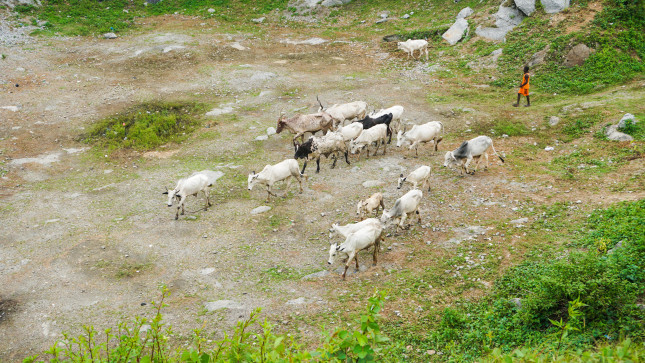
›International attention often focuses on ethnic conflict in the Niger Delta and religious conflict in Northern Nigeria, leaving farmer-herdsmen overlooked. In Nigeria, the conflict between farmers and herders has posed severe security challenges and has claimed far more lives than the Boko Haram insurgency. The conflict has threatened the country’s security, undermined national stability and unity, killed and displaced hundreds of thousands of people, and increased ethnic, regional, and religious polarization.
-
The Fight for Climate After COVID-19: A Conversation With Sherri Goodman and Author, Alice Hill
›The impacts of COVID-19 have shown policymakers that we need to invest in infrastructure and shore up existing systems to ensure that they can withstand changing conditions over time, says Alice Hill, former special assistant to President Barack Obama and current senior fellow at the Council on Foreign Resilience, in this week’s New Security Broadcast. “As we go forward, we need to have resilient systems. But we haven’t done that yet, we’re unprepared.” Hill sat down with Sherri Goodman, Senior Fellow at the Wilson Center’s Environmental Change and Security Program and former U.S. Deputy Undersecretary of Defense, to her new book, The Fight for Climate After COVID-19, and how the response to COVID-19 can inform approaches to building climate resilience. -
Integrating Environmental Protection and Conflict Prevention: Risk, Resilience, and Community Solutions
›“The world’s least resilient countries—when faced with ecological stress—are more likely to face civil unrest, political instability, social fragmentation, and economic collapse,” said Cynthia Brady, ECSP Global Fellow and Senior Advisor, at an event hosted by the Alliance for Peacebuilding. These “vulnerabilities are clearly mutually reinforcing, but some of the solutions are mutually reinforcing too,” said Brady. The critical challenge now is to bridge the gap between traditionally siloed communities of practice in conflict prevention and conservation.
Showing posts from category climate change.