-
Bolivia and Lithium: Can slow and steady win the race?
›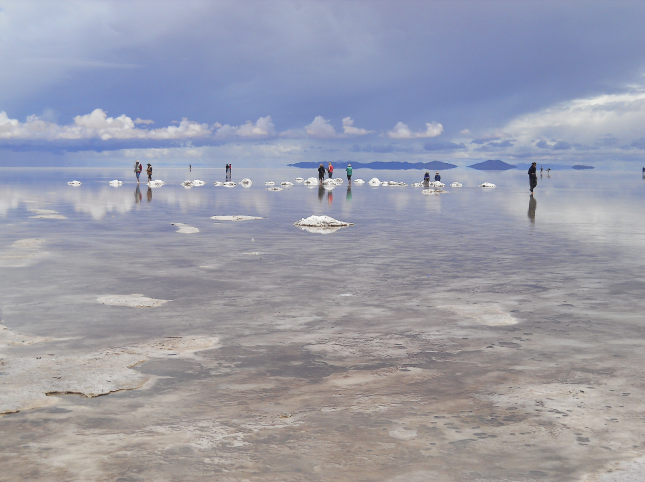
The looming 27th meeting of the Conference of the Parties (COP) of the UNFCCC in Egypt in November 2022 brings with it a moment of truth for many nations. They must intensify decarbonization efforts to meet their share of global commitments agreed upon at the Paris COP. Yet, the already significant challenges also have intensified. Disruptions of oil and gas flows caused by Russia’s invasion of Ukraine are slowing a global green energy transition—at least in the short-term. The depth of the crisis means countries are even scrambling to keep coal-powered plants working.
-
Climate Security at USAID: (Re)defining an Integrative Issue
›
Climate security is an essential conceptual framework to understand the global interplay of biophysical and socioeconomic forces that threaten our planet. Indeed, it is so important that new currents of science, politics, and advocacy make refining definitions a necessity.
-
Leveraging Hydropower for Peace
›Hydropower is the largest source of low-carbon electricity in the world today. And its benefits are needed more than ever. The International Energy Agency estimates that we will need to double the amount of installed hydropower capacity—which stands today at around 1360 gigawatts worldwide—in order to limit the rise in average global temperatures to 1.5 degrees Celsius above pre-industrial levels. -
Climate Solutions from the Ground Up: The Importance of Place-Based Approaches
›Meeting the immense impacts of climate change will require strong “top-down” policies to reduce emissions and remove carbon from the atmosphere, as well as building resilience in the face of climate stresses and shocks. As communities and governments undertake rapid and fundamental transformation of sectors and systems—energy, transportation, buildings and even green spaces—the need for governments to develop strategies that drive innovation and technological solutions becomes more urgent and essential.
-
Creating an Environment of Peace Means Avoiding Backdraft
›The much-needed transition to a zero carbon, green economy offers opportunities to contribute to peace, but only if the conflict risks of transition are understood and managed to produce a just and peaceful transition. That means minimizing “backdraft”—the unintended negative impacts of transition that are a key obstacle to that goal.
-
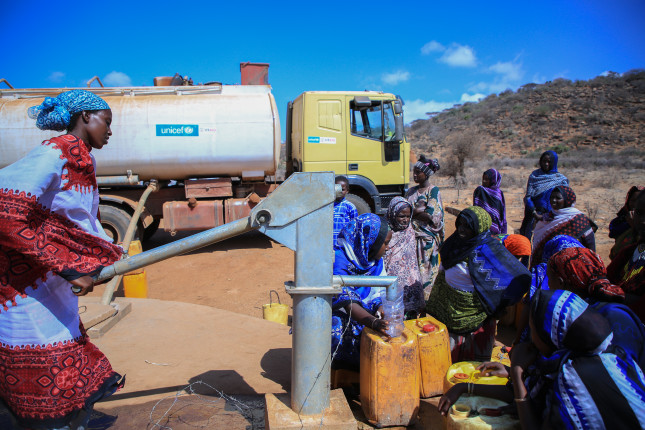
Addressing the Global Food Crisis: CIMMYT Experts Weigh In
›The confluence of climate change, COVID-19, and the war in Ukraine have placed enormous stress on food systems across the globe. Food insecurity spiked in 2020 and has stayed high, and the number of undernourished people is on the rise. -
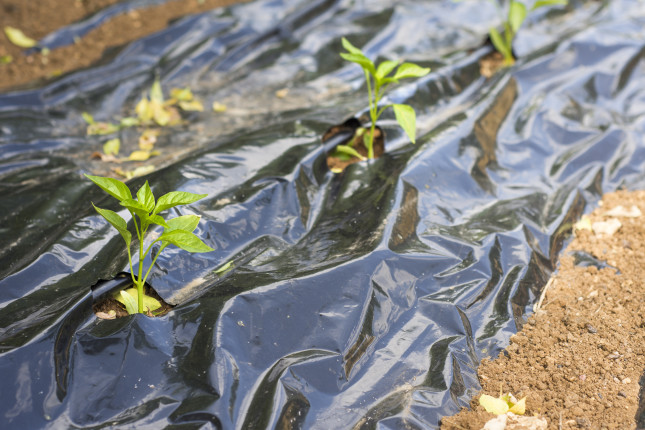
Biodegradable Plastic in Chinese and U.S. Agriculture: Hero or Villain?
›Biodegradable plastic mulch seems like a dream come true for organic farming. Its use eliminates the need for herbicides and pesticides, conserves water, extends the growing season, and allows for the harvesting of clean fruits and vegetables. This mulch also lightens the load of farmers. Rather than assuming the expense and labor to gather up and haul plastic mulch to a landfill, farmers can till biodegradable mulch safely back into the soil. Yet these benefits will only be realized if biodegradable mulch films are 100 percent degradable by microbes in nature, and if they break down to carbon dioxide, water, and minerals without damaging the soil.
-
Beyond a “Threat Multiplier”: Exploring Links Between Climate Change and Security
›Ever since the CNA’s Military Advisory Board—composed of former U.S. military personnel—named climate change as a “threat multiplier” in a 2007 report, the term has gained widespread currency both in environmental and national security circles. It also has propelled the need to assess and address climate-related security risks higher up overall policy agendas.
Showing posts from category climate change.
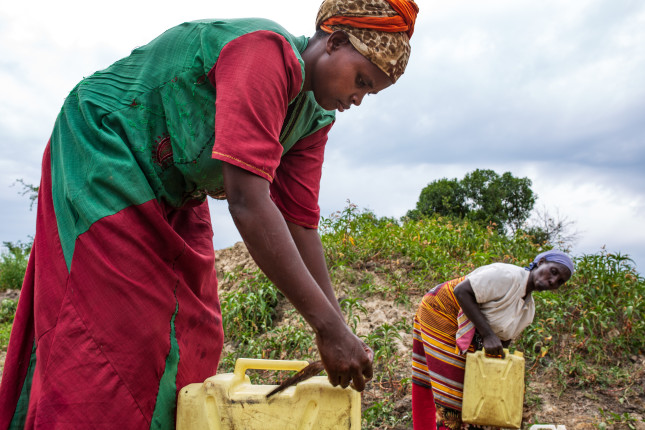
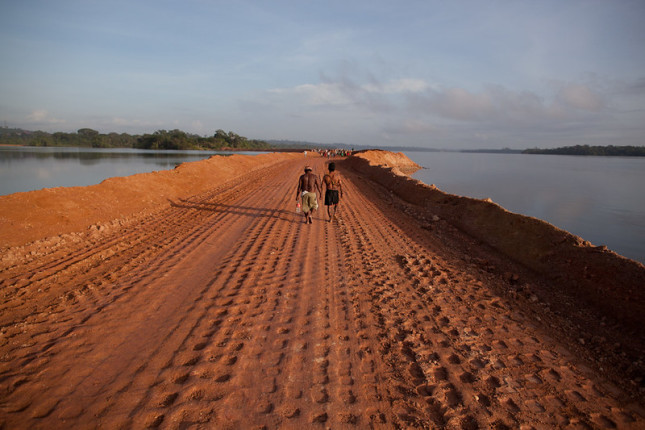 Hydropower is the largest source of low-carbon electricity in the world today. And its benefits are needed more than ever. The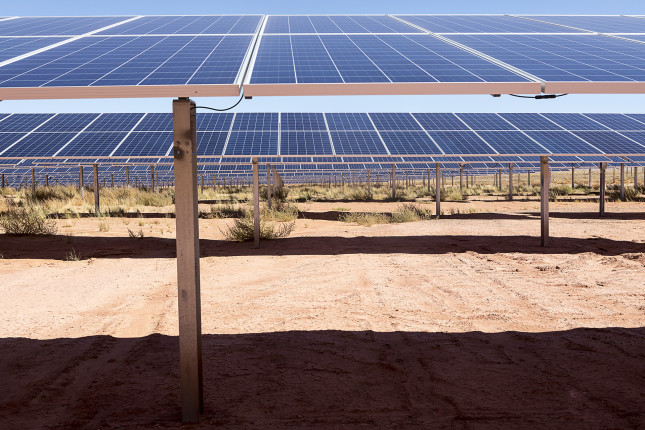
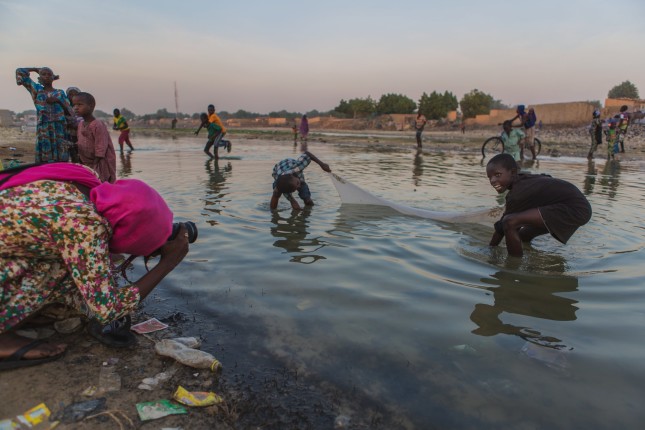
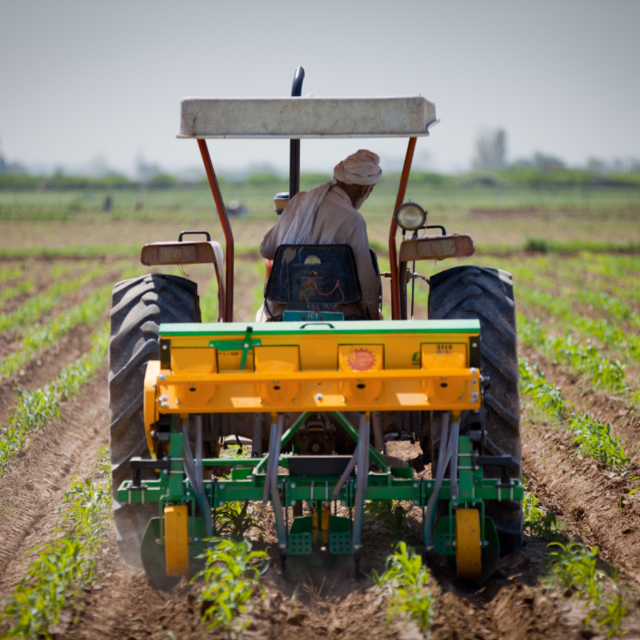 The confluence of climate change, COVID-19, and the war in Ukraine have placed enormous stress on food systems across the globe.