• woodrow wilson center
  • ecsp

New Security Beat

Subscribe:
  • rss
  • mail-to
  • Who We Are
  • Topics
    • Population
    • Environment
    • Security
    • Health
    • Development
  • Columns
    • China Environment Forum
    • Choke Point
    • Dot-Mom
    • Friday Podcasts
    • Navigating the Poles
    • Reading Radar
  • Multimedia
    • Water Stories (Podcast Series)
    • Backdraft (Podcast Series)
    • Tracking the Energy Titans (Interactive)
  • Films
    • Water, Conflict, and Peacebuilding (Animated Short)
    • Paving the Way (Ethiopia)
    • Broken Landscape (India)
    • Scaling the Mountain (Nepal)
    • Healthy People, Healthy Environment (Tanzania)
  • Publications
  • Events
  • Contact Us

NewSecurityBeat

The blog of the Wilson Center's Environmental Change and Security Program
Showing posts from category climate change.
  • The Arctic: In the Face of Change, an Ocean of Cooperation

    ›
    From the Wilson Center  //  September 28, 2017  //  By Wilson Center Staff
    Coast Guard Barrow

    “The United States and Russia… have found ways to continue to cooperate in the Arctic—particularly, but not only—through the Arctic Council, despite the difficulties on other issues relating to other parts of the world,” said Ambassador David Balton, deputy assistant secretary for oceans and fisheries at the U.S. Department of State at a recent Wilson Center forum on the Arctic.

    MORE
  • What Is Loss and Damage from Climate Change? First Academic Study Reveals Different Perspectives, Challenging Questions

    ›
    Guest Contributor  //  September 25, 2017  //  By Rachel James, Richard Jones & Emily Boyd
    St-Maarten-Hurricane-Damage

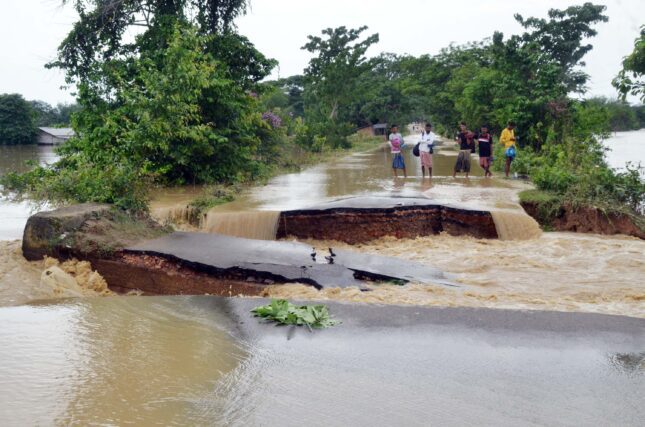
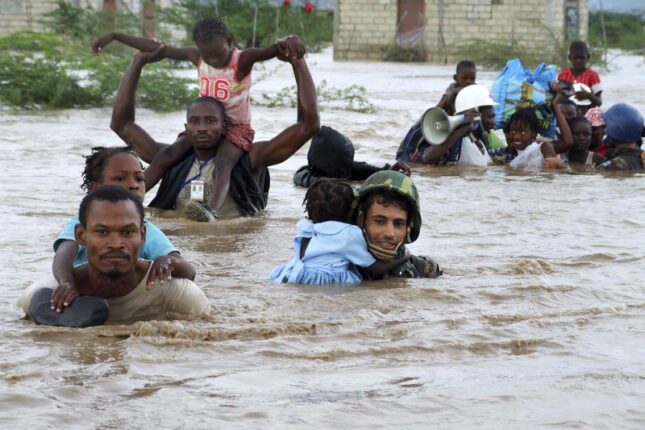
    Following a series of recent devastating extreme weather events – mudslides in Sierra Leone, flooding in south Asia, and severe storms hitting the Philippines and the Gulf of Mexico, many have called attention to the role of climate change in these disasters. The string of Atlantic hurricanes that has devastated the Caribbean has prompted fresh calls to make nations and communities more resilient to the effects of climate change, and especially to address “loss and damage” in island nations.

    MORE
  • Can Caribbean Islands Really Adapt to Extreme Hurricanes?

    ›
    Guest Contributor  //  September 22, 2017  //  By Judi Clarke
    Hurricane-Irma-Damage

    “A monster”… “wreaking havoc”… “ripped through” the Caribbean and part of Florida: I heard these words as Hurricane Irma, the strongest Category 5 Atlantic hurricane on record, decimated the entire island of Barbuda and destroyed the four “most solid” buildings on St. Martin. And as I write this from the relative safety of Barbados, Hurricane Maria is on a similar path, leaving similar destruction in its wake. With winds of more than 160 miles per hour, Maria was the strongest storm to make landfall in Dominica. In a matter of hours, it devastated the country, regained its strength, and continued its onslaught on Puerto Rico and beyond.

    MORE
  • The Unfolding Humanitarian Crisis Around Lake Chad: UN Report Falls Short of Naming Environmental Dimensions

    ›
    September 20, 2017  //  By Florian Krampe
    Lake Chad

    This article was originally published by the Stockholm International Peace Research Institute (SIPRI).

    It is encouraging to see that the United Nations Security Council is beginning to acknowledge the transboundary dimensions of fragility and conflict, as demonstrated by its newly launched Report of the Secretary-General on the situation in the Lake Chad Basin region. The report, which was presented in the Security Council on 13 September 2017, emphasizes the need for regional responses and the enhanced cooperation of different UN and humanitarian agencies as important steps to addressing the unfolding humanitarian crisis. However, while regional responses to address the regional security challenge are desirable, the report would have been stronger if it had highlighted the underlying environmental contributions of the region’s fragility. 

    MORE
  • Climate Change and Women’s Health: New Studies Find Overlooked Links

    ›
    Reading Radar  //  September 19, 2017  //  By Antony Martel

    Considering-Climate-FertiliThe intersection of reproductive health and climate change is an understudied nexus in academic literature. In her Nature article, “Considering Climate in Studies of Fertility and Reproductive Health in Poor Countries,” Kathryn Grace looks at how studies of contemporary fertility transitions are better served when they include the impacts of climate change.

    MORE
  • “We Must Pay Attention”: Hurricanes Harvey and Irma Devastate the Caribbean, Threaten U.S. National Security, Reveal Infrastructure Weakness, Say Wilson Center Experts

    ›
    Eye On  //  From the Wilson Center  //  September 15, 2017  //  By Saiyara Khan

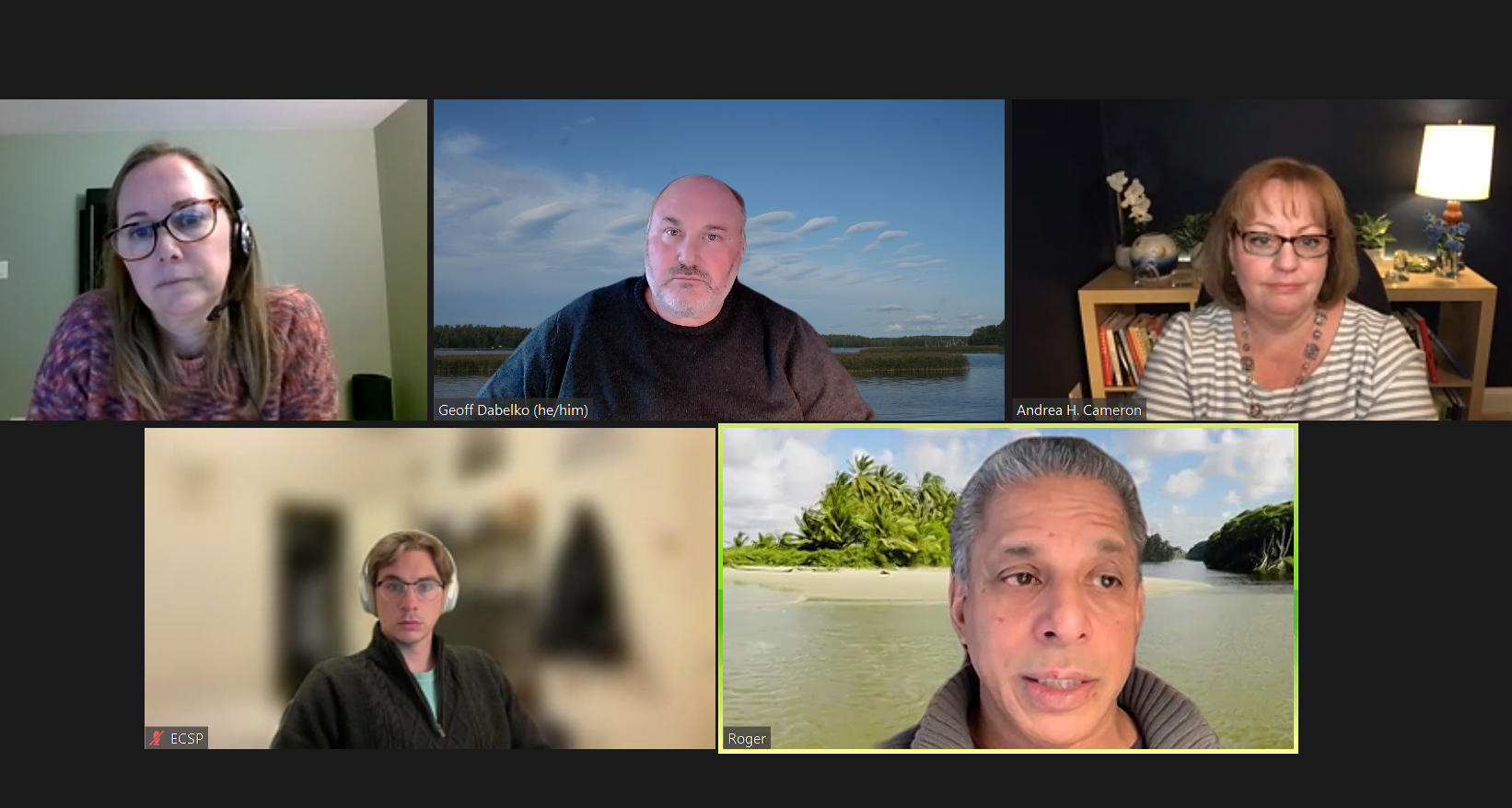
    “This is not an island issue, this is not a Caribbean issue, this is an issue that is [also] critical for us,” says Roger-Mark De Souza, the Wilson Center’s director of population, environmental security, and resilience in a recent video interview. “For us in the United States we have to continue to recognize that we ourselves are also vulnerable.” De Souza remains hopeful about the possibility of rebuilding and rebounding in the face of devastation, but also presses the importance of generating response mechanisms which address environmental hazards before they manifest into disasters. “That means planning, it means investing in community mobilization mechanisms, it means thinking about ways we provide humanitarian assistance.”

    MORE
  • Religion and Climate Diplomacy in Small Island Developing States

    ›
    From the Wilson Center  //  September 14, 2017  //  By Antony Martel
    Children-Church

    Island states contribute only .03 percent to global emissions, but “nineteen major Caribbean cities are in the bullseye of the climate threat” and Pacific island states such as Kiribati and Tuvalu face an existential threat from sea level rise, said Selwin Hart, Barbados’ ambassador to the Organization of American States and the United States. At the same time, Small Island Developing States (SIDS) in the Pacific and the Caribbean are leading efforts to combat climate change, said experts at the Wilson Center on July 10.

    MORE
  • Tomorrow May Be Too Late: Military Leaders Testify on National Security Challenges of Climate Change

    ›
    September 11, 2017  //  By Amanda King
    Paul-Selva

    As the Senate returns from recess, passing the annual National Defense Authorization Act will be one of its top priorities—and this year it could include a potentially controversial amendment directing the Pentagon to assess the impact of climate change on national security. In the House, the Langevin amendment surprisingly garnered enough Republican support to withstand a challenge in July. Since then, two more senior military appointees have testified to the importance of understanding the challenges climate change poses to national security. 

    MORE
Newer Posts   Older Posts
View full site

Join the Conversation

  • RSS
  • subscribe
  • facebook
  • G+
  • twitter
  • iTunes
  • podomatic
  • youtube
Tweets by NewSecurityBeat

Trending Stories

  • unfccclogo1
  • Pop at COP: Population and Family Planning at the UN Climate Negotiations

Featured Media

Backdraft Podcast

play Backdraft
Podcasts

More »

What You're Saying

  • Volunteers,At,The,Lagos,Food,Bank,Initiative,Outreach,To,Ikotun, Pan-African Response to COVID-19: New Forms of Environmental Peacebuilding Emerge
    Rashida Salifu: Great piece 👍🏾 Africa as a continent has suffered this unfortunate pandemic.But it has also...
  • A desert road near Kuqa An Unholy Trinity: Xinjiang’s Unhealthy Relationship With Coal, Water, and the Quest for Development
    Ismail: It is more historically accurate to refer to Xinjiang as East Turkistan.
  • shutterstock_1779654803 Leverage COVID-19 Data Collection Networks for Environmental Peacebuilding
    Carsten Pran: Thanks for reading! It will be interesting to see how society adapts to droves of new information in...

What We’re Reading

  • Rising rates of food instability in Latin America threaten women and Venezuelan migrants
  • Treetop sensors help Indonesia eavesdrop on forests to cut logging
  • 'Seat at the table': Women's land rights seen as key to climate fight
  • A Surprise in Africa: Air Pollution Falls as Economies Rise
  • Himalayan glacier disaster highlights climate change risks
More »
  • woodrow
  • ecsp
  • RSS Feed
  • YouTube
  • Twitter
  • Facebook
  • Home
  • Who We Are
  • Publications
  • Events
  • Wilson Center
  • Contact Us
  • Print Friendly Page

© Copyright 2007-2021. Environmental Change and Security Program.

Woodrow Wilson International Center for Scholars. All rights reserved.

Developed by Vico Rock Media

Environmental Change and Security Program

Woodrow Wilson International Center for Scholars

Ronald Reagan Building and International Trade Center

  • One Woodrow Wilson Plaza
  • 1300 Pennsylvania Ave., NW
  • Washington, DC 20004-3027

T 202-691-4000