-
Vicky Markham, Impatient Optimists
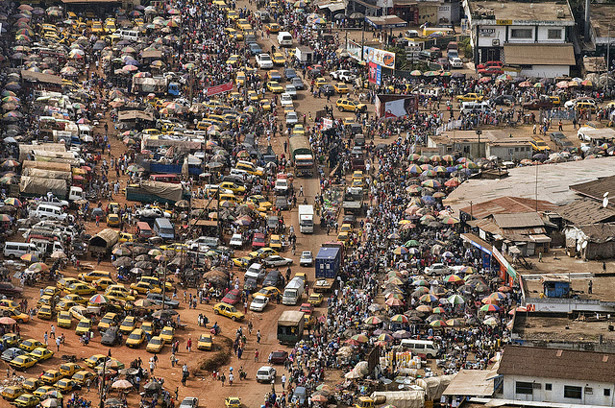
As UN Debates Post-2015 Agenda, Women Deliver Development
›October 23, 2013 // By Wilson Center StaffIt’s not often that we are presented with the perfect opportunity to affect a broad set of development policies as we are currently with the UN’s post-2015 agenda.
-
Storytelling Is Serious Business: Narratives, Research, and Policy
›The use of storytelling, through evocative writing, short films, infographics, and maps, to convey global issues is increasingly popular, yet few organizations are able to invest the time and energy needed to develop emotionally compelling and visually expressive content. [Video Below]
-
Amid Perfect Storm of Climate Challenges, Can Aquaculture Net Food Security Gains in Bangladesh?
›October 15, 2013 // By Jacob Glass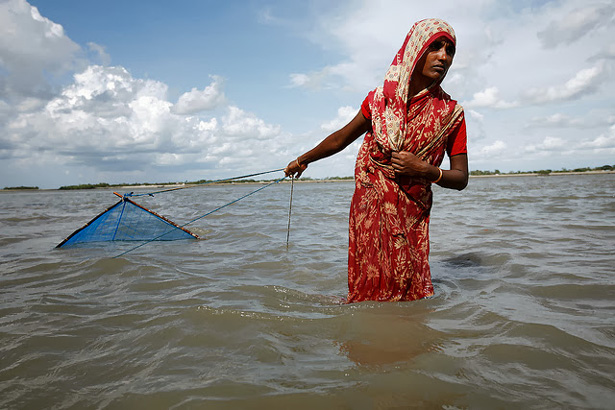
It is difficult to find a country feeling the negative impacts of climate change more severely than Bangladesh. Name any alarming, seemingly far off effect of a warming world being discussed in the halls of Washington or the summits of Copenhagen, and there is a good chance Bangladesh is experiencing it today. Flooding, drought, sea level rise, mass migration, and crushing poverty are exacerbated by a growing population and rapid urbanization. This perfect storm of climactic and demographic trends presents a looming crisis for Bangladesh, no more so than when it comes to food security.
-
How to Tell the Biggest Stories of Our Times: Population-Environment Connections at SEJ 2013
›
The original version of this article appeared on the Inter Press Service.
What does gorilla conservation have in common with the provision of contraceptives to women? How does rural-urban migration contribute to global warming? What does city planning in Kenya have to do with coastal erosion in the Philippines?
-
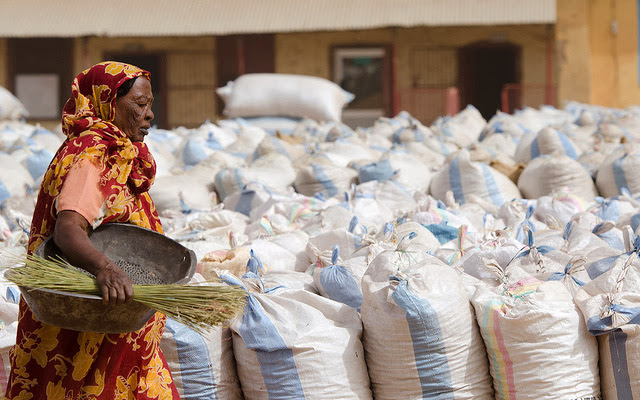
Harvesting Peace: Food Security, Conflict, and Cooperation (Report Launch)
›In the wake of food riots in more than 30 countries in 2008 and the Arab Spring, in which food prices played an instigating role, the relationship between food security and instability demands a closer examination. “There is a lot of data on conflict, and a lot of data on food security, but it’s rarely brought together,” said Emmy Simmons, the author of the latest edition of ECSP Report. [Video Below]
-
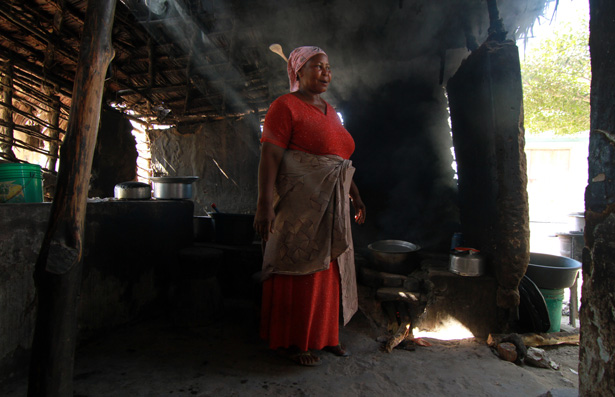
10 Steps for Expanding the Population, Health, and Environment Approach
›As their five-year funding cycle for supporting integrated population, health, and environment (PHE) programs around the world came to a close this fall, leaders from BALANCED Project – Building Actors and Leaders for Advancing Community Excellence in Development – came together at the Wilson Center to discuss lessons learned, best practices, and new ideas for the future.
-
Africa’s Demography, Environment, Security Challenges Entwined, Says Roger-Mark De Souza at Africa Center for Strategic Studies
›Sub-Saharan Africa is not only the fastest growing region of the world demographically but is also one of the most vulnerable to climate changes, according to many measures, and already facing natural resource scarcity in many areas. These factors combine with existing development challenges to create security threats that African governments and the United States should be concerned with, says ECSP Director Roger-Mark De Souza in a presentation for the Africa Center for Strategic Studies’ introductory course on demography and the environment at the National Defense University.
-
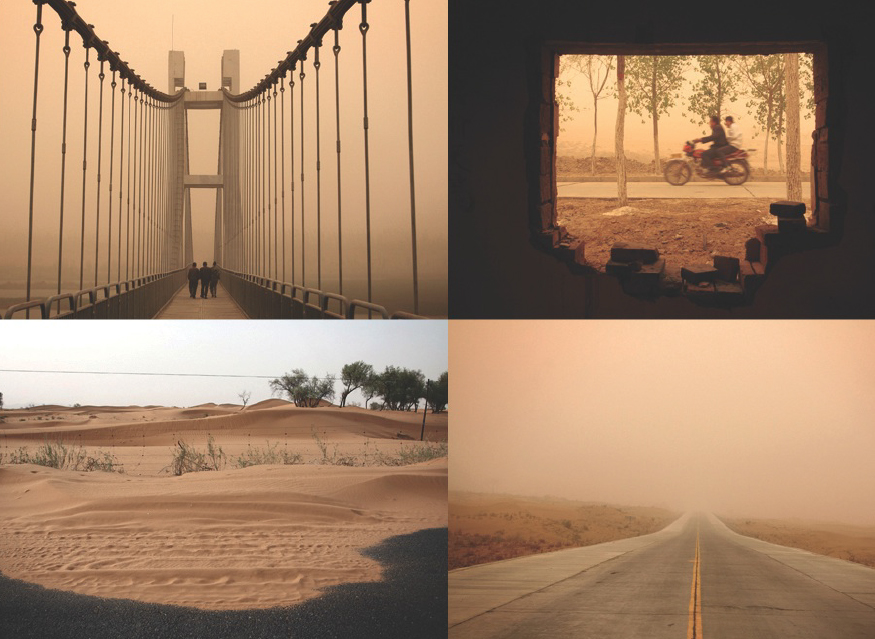
China’s Environmental Crisis Through the Lens: Interview With Photojournalist Sean Gallagher
›China is one of the world’s 12 “mega-biodiversity” countries, but its incredible natural landscapes, from Sichuan’s sparkling, turquoise-colored lakes to Guilin’s dramatic karst topography, are bearing the cost of rapid economic development, writes British environmental photojournalist and videographer Sean Gallagher in a new multimedia e-book.
Showing posts from category climate change.